

There is always a sense of anticipation around a new olive harvest.
Unlike many products we buy throughout the year, extra virgin olive oil is genuinely seasonal. Every harvest reflects what has happened in the grove over the previous months: the rainfall, temperatures, soil, timing of ripening and, ultimately, the decisions made by the grower about when to pick.
This season, the early signs from our producers are very encouraging.
A Harvest Shaped by the Heat
It has been another warm growing season across many of Italy’s olive-producing regions.
Heat can present challenges for growers, particularly when it is combined with long dry periods. But olive trees are extraordinarily resilient plants, adapted over centuries to the Mediterranean climate.
Interestingly, moderate environmental stress can also influence what happens inside the fruit.
When olives experience conditions such as heat and limited water availability, the tree can respond by producing greater concentrations of protective compounds, including phenolic compounds. These are part of the olive’s own natural defence system.
That means a more challenging growing season can, under the right conditions, contribute to olives with particularly interesting polyphenol potential.
Of course, heat alone does not guarantee a high-polyphenol oil. Variety, harvest timing, ripeness, irrigation, fruit condition and the way the olives are handled at the mill all play an important part. But the conditions this year are giving us good reason to be excited about what is coming out of the presses.
Why Polyphenols Matter
Polyphenols are naturally occurring compounds found in high-quality extra virgin olive oil.
They are closely associated with some of the characteristics I personally look for when tasting a fresh oil: bitterness, structure and that distinctive peppery sensation at the back of the throat.
The Olive Library has always placed particular emphasis on freshness, harvest quality and polyphenol-rich oils. Our collection is selected not simply on flavour, but on provenance, production and the care taken from grove to bottle.
Fresh, greener and earlier-harvested olives generally retain higher levels of these compounds, which is one reason many quality-focused producers are willing to accept a smaller yield in return for a more characterful oil. Early-harvest oils tend to show greater bitterness and pungency, characteristics closely associated with higher polyphenol levels.
The Crucial Moment: Knowing When to Harvest
This is where the producer’s experience becomes so important.
A hot growing season might create the potential for an extraordinary oil, but that potential still has to be protected.
Harvest too late and the fruit may produce more oil, but some of the freshness, aromatic intensity and phenolic character can begin to decline. Harvest earlier and the yield is lower, but the resulting oil can be greener, more vibrant and more structured.
The best producers are constantly watching their groves and tasting their fruit, looking for the moment when flavour, maturity and polyphenol concentration come together.
It is one of the reasons I have always believed that olive oil cannot really be understood from a label alone. You need to understand the weather, the landscape, the harvest and the decisions made by the people producing it. That connection between climate, place and craftsmanship is central to what The Olive Library is about.
Fresh Oil Is Something Completely Different
One of my favourite moments of the year is tasting oil almost immediately after it has been pressed.
There is an energy to new-season olive oil that is difficult to describe until you experience it.
The aromas can be intensely green: freshly cut grass, tomato leaf, artichoke, herbs and green almond. Then comes the bitterness on the tongue, followed by that peppery sensation in the throat.
For someone unfamiliar with premium olive oil, those sensations can initially seem surprisingly strong.
But they are often exactly what you should be looking for.
Bitterness and pepperiness are not faults. When they are balanced with fruitiness and freshness, they are part of the structure of a great extra virgin olive oil.
A Season to Be Excited About
Every harvest is different, which is part of what makes olive oil so fascinating.
The same grove and the same olive variety can produce subtly different oils from one year to the next because agriculture is never static. Temperature, rainfall and harvest conditions all leave their mark.
This year, the combination of warm conditions, careful harvesting and the experience of our producers is creating some extremely promising oils.
The additional heat has placed the trees under greater environmental pressure, and that stress can encourage the olives to develop higher concentrations of protective phenolic compounds. Combined with early harvesting and careful extraction, we are expecting some particularly vibrant, structured and polyphenol-rich oils from the new season.
But ultimately, numbers only tell part of the story.
What matters to me is what happens when the oil reaches the glass: the aroma, the freshness, the bitterness, the pepperiness and the sense that you are tasting something that genuinely reflects where and when it was made.
The new harvest is coming.
And from what I have seen so far, it is shaping up to be a very exciting one.
Nick Ednie
Founder, The Olive Library
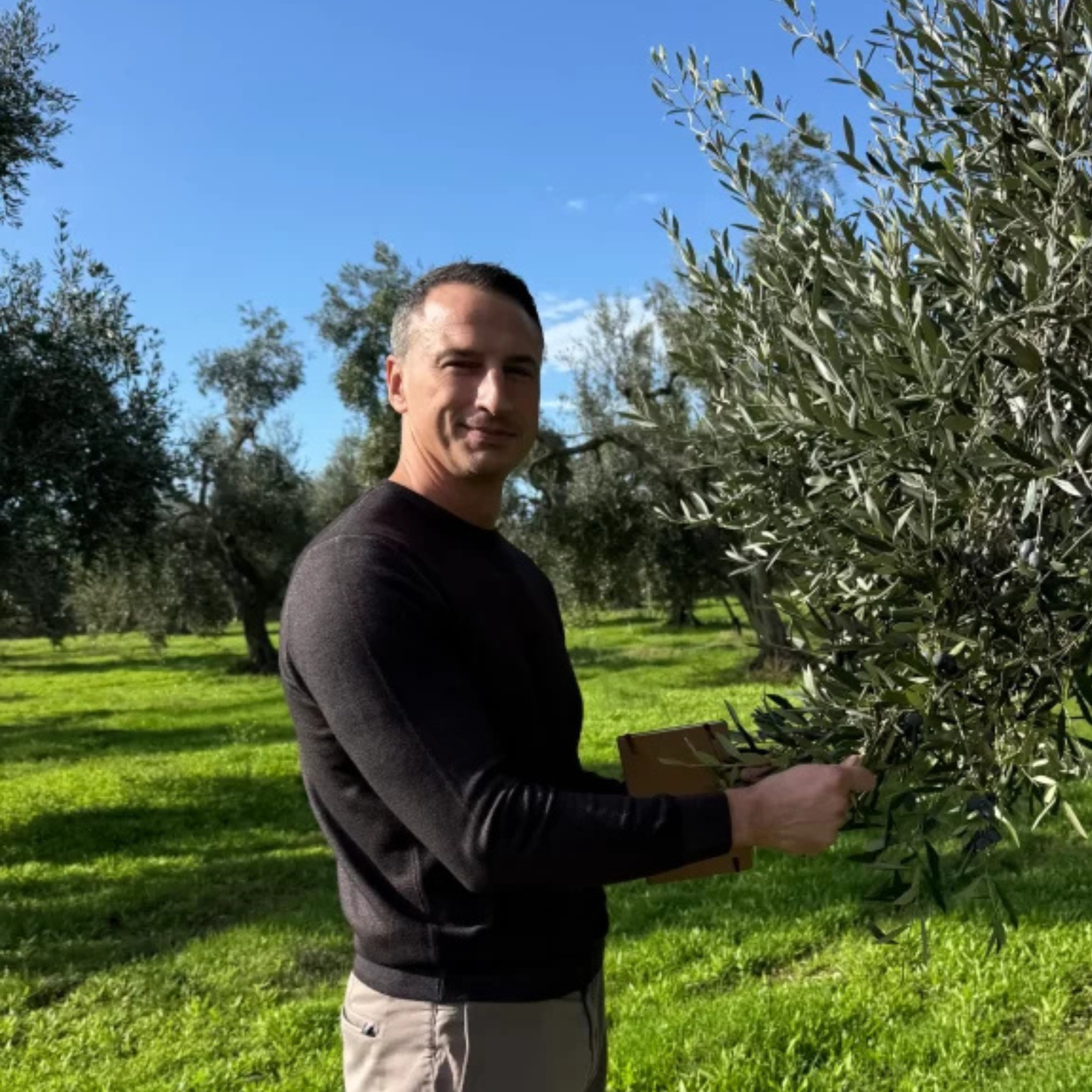
About the authorNick Ednie is the founder and curator of The Olive Library, a personal journey into the world of high-quality extra virgin olive oil. With a deep love of food, Nick travels the Mediterranean to discover and share some of the finest olive oils available. He has also deepened his expertise through study at the prestigious EVOO School. Nick’s mission is to champion heritage, quality and education in every bottle he selects and to bring the stories behind exceptional producers to life. When he’s not tasting and sourcing oils, he writes about flavour, terroir and the art of olive oil appreciation.