

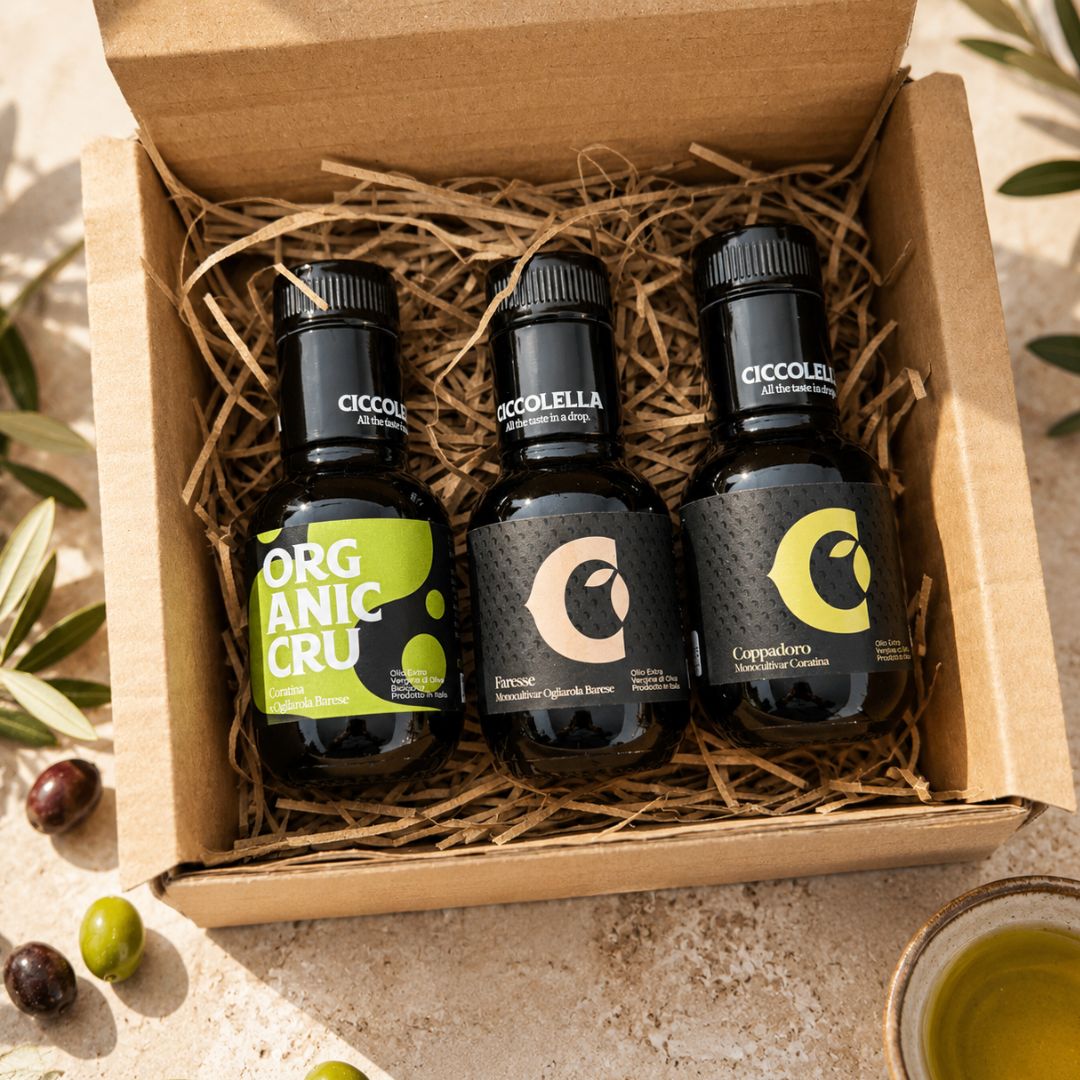
Cheese and olive oil are two of the Mediterranean’s great culinary traditions. Both are shaped by geography, craftsmanship and the quality of their raw ingredients. Both offer an extraordinary range of flavours, from delicate and creamy to intensely savoury and complex.
Yet while most people think carefully about which wine to serve with cheese, relatively few consider which olive oil might bring out its best qualities.
This is something I have come to appreciate more as my understanding of extra virgin olive oil has developed.
A carefully chosen oil can transform a simple piece of cheese, adding freshness, aroma, bitterness or pepperiness that changes the entire tasting experience.
And just like pairing wine with food, understanding a few simple principles can make all the difference.
Why Olive Oil and Cheese Work So Well Together
At first glance, pouring olive oil over cheese might seem unnecessary. Cheese already contains fat, richness and flavour.
But good extra virgin olive oil brings something different.
Its fruitiness can introduce fresh, green aromas. Its bitterness can balance creamy textures, while a peppery finish can provide contrast to the richness of aged cheeses.
The result is not simply more richness. It is greater complexity.
The key is understanding the intensity of both ingredients.
A delicate cheese can easily be overwhelmed by an excessively powerful olive oil. Conversely, a richly flavoured, mature cheese may benefit from an oil with greater structure.
Finding that balance is where pairing becomes interesting.
Burrata: A Beautiful Contrast with Peppery Olive Oil
Few cheeses demonstrate the relationship between olive oil and texture better than burrata.
With its soft mozzarella exterior and rich, creamy centre, burrata is deliberately gentle in flavour.
That creates an excellent opportunity to introduce contrast.
A medium-intensity extra virgin olive oil with fresh herbal notes and a little pepperiness can lift the cheese without dominating it.
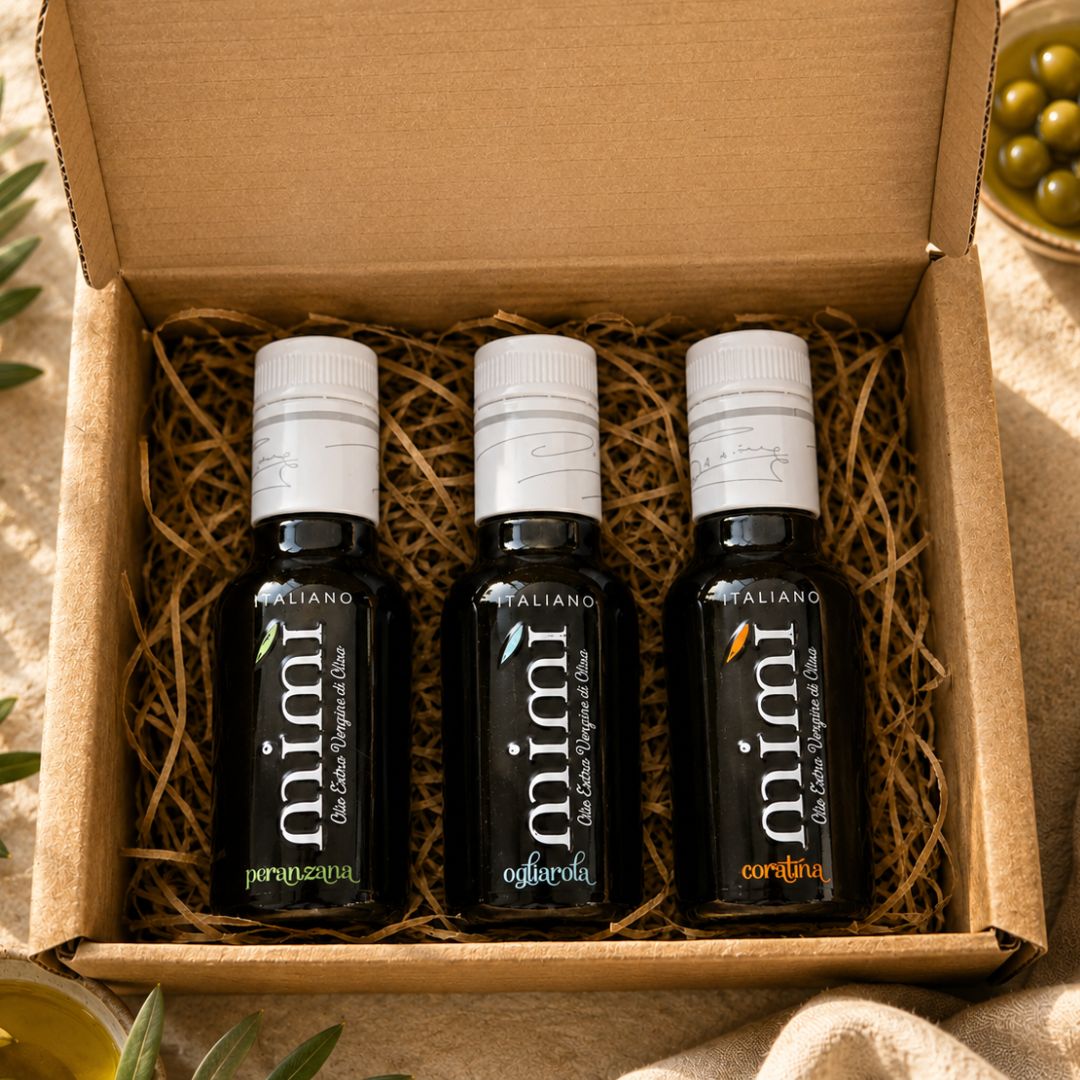
For those who enjoy stronger flavours, a more assertive Coratina can create a particularly memorable combination.
The bitterness provides structure against the creaminess, while the peppery finish prevents the dish from feeling too rich.
Serve burrata at room temperature with good bread, sea salt and a generous drizzle of olive oil.
You do not need much else.
Mozzarella: Keep It Fresh and Balanced
Mozzarella, particularly mozzarella di bufala, has a delicate milky character that deserves careful treatment.
For this pairing, I would usually choose a softer, more aromatic olive oil.
Something with gentle green fruit notes, light herbs and restrained bitterness works beautifully.
An elegant oil from Lake Garda, for example, can complement mozzarella without overwhelming it.
Add fresh basil, ripe tomatoes or simply a little sea salt.
The beauty of the combination is its simplicity.
Ricotta: A Delicate Canvas for Olive Oil
Fresh ricotta is mild, soft and subtly sweet.
It responds especially well to extra virgin olive oils with delicate fruitiness and a smooth, rounded finish.
Spread ricotta onto toasted sourdough, finish with olive oil and add a little lemon zest or freshly cracked black pepper.
Alternatively, serve it with roasted vegetables or a spoonful of honey.
This is a particularly good pairing for introducing someone to the idea that different olive oils have different personalities.
An intensely bitter oil may overpower ricotta, while a delicate oil can reveal flavours you might otherwise miss.
Goat’s Cheese: Finding the Right Balance
Goat’s cheese varies enormously in flavour.
Fresh goat’s cheese is often soft, tangy and creamy, while aged varieties can be stronger and more savoury.
For fresh goat’s cheese, a medium-intensity olive oil with green almond or herbaceous notes works well.
The oil’s fruitiness complements the cheese, while a little bitterness balances its acidity.
Try spreading goat’s cheese onto warm crostini, adding fresh thyme and finishing with extra virgin olive oil.
It is an uncomplicated combination that works beautifully as a starter or part of an antipasti board.
Pecorino: When Bold Olive Oil Comes into Its Own
Mature Pecorino is a very different proposition.
Salty, firm and intensely savoury, it has enough character to stand alongside some of Italy’s most powerful olive oils.
This is where I would reach for an intense Coratina from Puglia.
The oil’s pronounced bitterness, green aromas and peppery finish can provide a remarkable contrast to the cheese’s concentrated flavour.
Try shaving Pecorino onto a board, adding a little olive oil and serving it with crusty bread.
Alternatively, drizzle the oil over pieces of mature Pecorino and taste the two ingredients together.
The combination is bold, but when the balance is right, it is exceptionally satisfying.
Parmigiano Reggiano: Depth Meets Complexity
Aged Parmigiano Reggiano has a distinctive combination of savoury, nutty and umami-rich flavours.
Because the cheese already offers so much complexity, the choice of olive oil becomes particularly interesting.
A structured Tuscan oil with notes of artichoke, green almond and aromatic herbs can work beautifully.
Alternatively, a bold Puglian oil can introduce a stronger bitter-peppery contrast.
Break the cheese into uneven pieces rather than slicing it neatly.
Then serve with a small amount of olive oil for dipping.
This allows you to experience the relationship between the two ingredients without other flavours getting in the way.
Olive Oil and Cheese Pairing Chart
As a starting point, I would suggest the following:
| Cheese | Olive oil intensity | Ideal flavour profile |
|---|---|---|
| Burrata | Medium to intense | Green, peppery, herbaceous |
| Mozzarella | Delicate | Fruity, aromatic, smooth |
| Fresh ricotta | Delicate | Rounded, gentle, lightly herbal |
| Goat’s cheese | Medium | Green almond, herbs, balanced |
| Mature Pecorino | Intense | Bitter, peppery, structured |
| Parmigiano Reggiano | Medium to intense | Artichoke, almond, green fruit |
These are guides rather than rules.
The most rewarding combinations often come from experimentation.
My Thoughts: Start with the Cheese, Then Choose the Oil
One of the most important lessons I have learnt about extra virgin olive oil is that intensity does not automatically equal quality.
A delicate oil can be just as exceptional as a powerful one.
What matters is how the oil expresses its character and how that character interacts with food.
Cheese is a wonderful way to explore those differences because its textures and flavours are so varied.
The next time you put together a cheese board, consider serving two or three different extra virgin olive oils alongside it.
Taste the same cheese with each one.
You may be surprised by how much the experience changes.
And you may never look at a cheese board quite the same way again.
Frequently Asked Questions
What is the best olive oil for burrata?
A medium-intensity extra virgin olive oil with fresh herbal notes and a little pepperiness lifts burrata without dominating it. For stronger flavours, try a more assertive Coratina.
Which olive oil goes with Pecorino?
Mature Pecorino has enough character for an intense Coratina from Puglia, with pronounced bitterness, green aromas and a peppery finish.
Is a stronger olive oil better with cheese?
Not automatically. Intensity does not equal quality, and a delicate oil suits mozzarella or ricotta far better than a powerful one.
Explore The Olive Library’s collection of premium Italian extra virgin olive oils and discover your next favourite pairing.
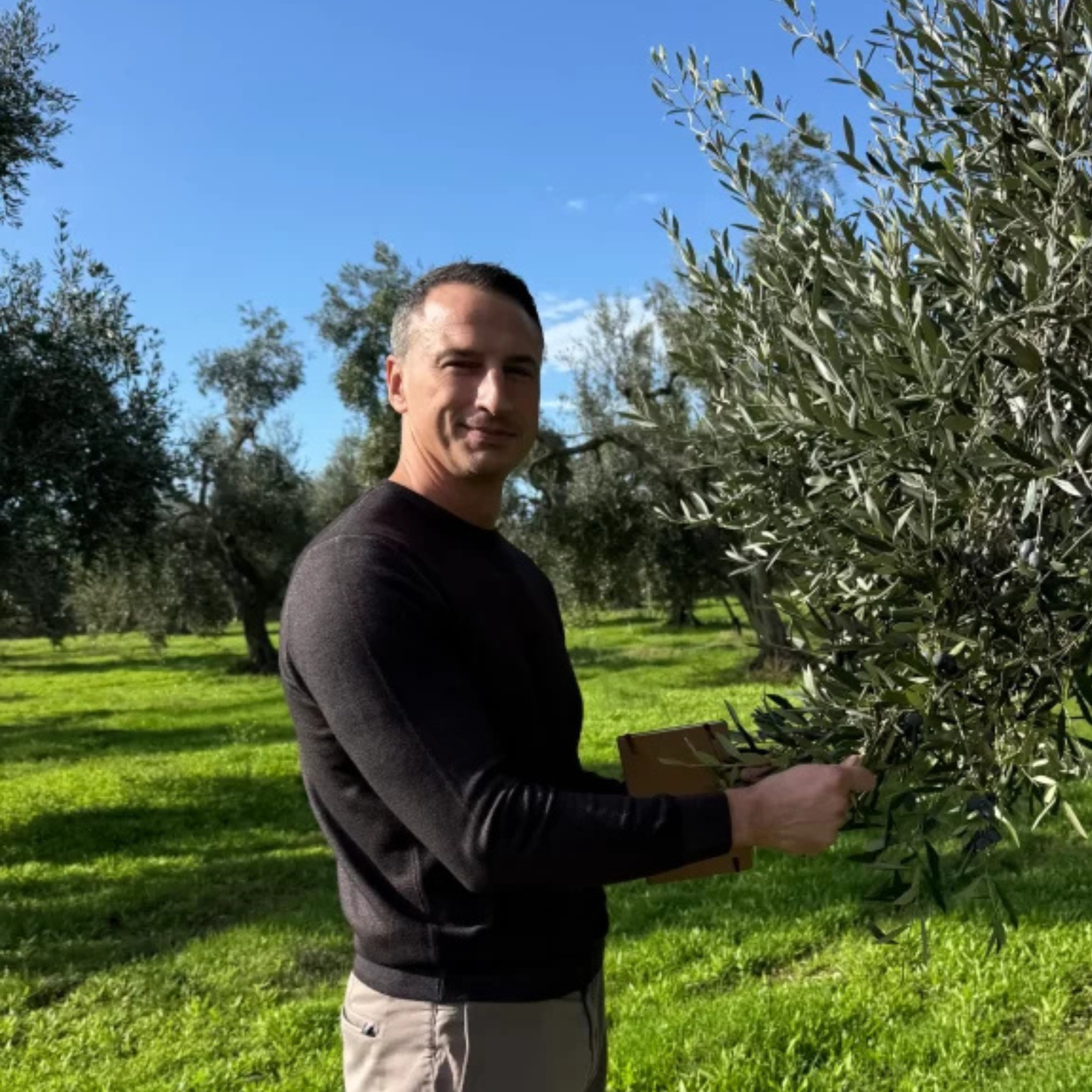
About the authorNick Ednie is the founder and curator of The Olive Library, a personal journey into the world of high-quality extra virgin olive oil. With a deep love of food, Nick travels the Mediterranean to discover and share some of the finest olive oils available. He has also deepened his expertise through study at the prestigious EVOO School. Nick’s mission is to champion heritage, quality and education in every bottle he selects and to bring the stories behind exceptional producers to life. When he’s not tasting and sourcing oils, he writes about flavour, terroir and the art of olive oil appreciation.