

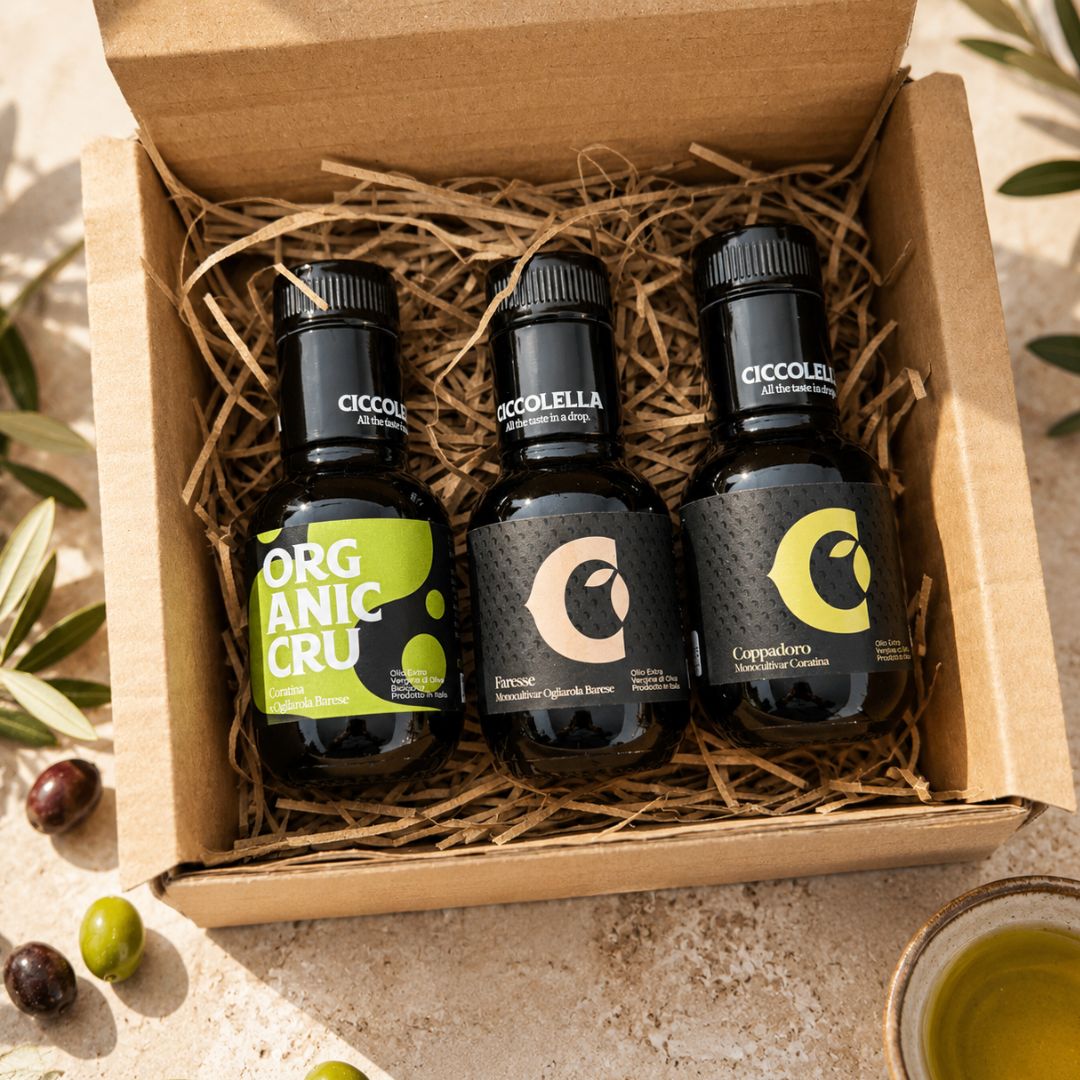
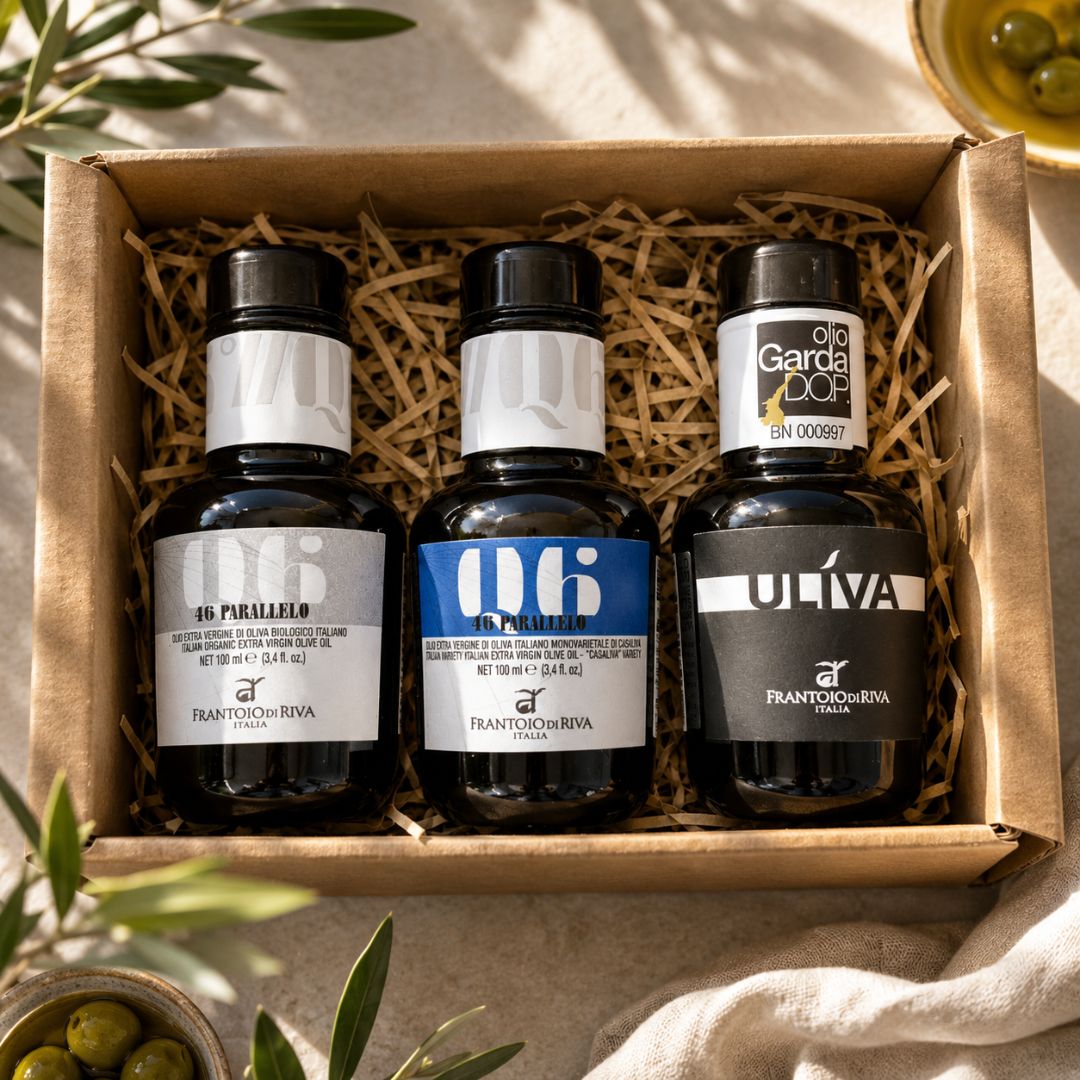
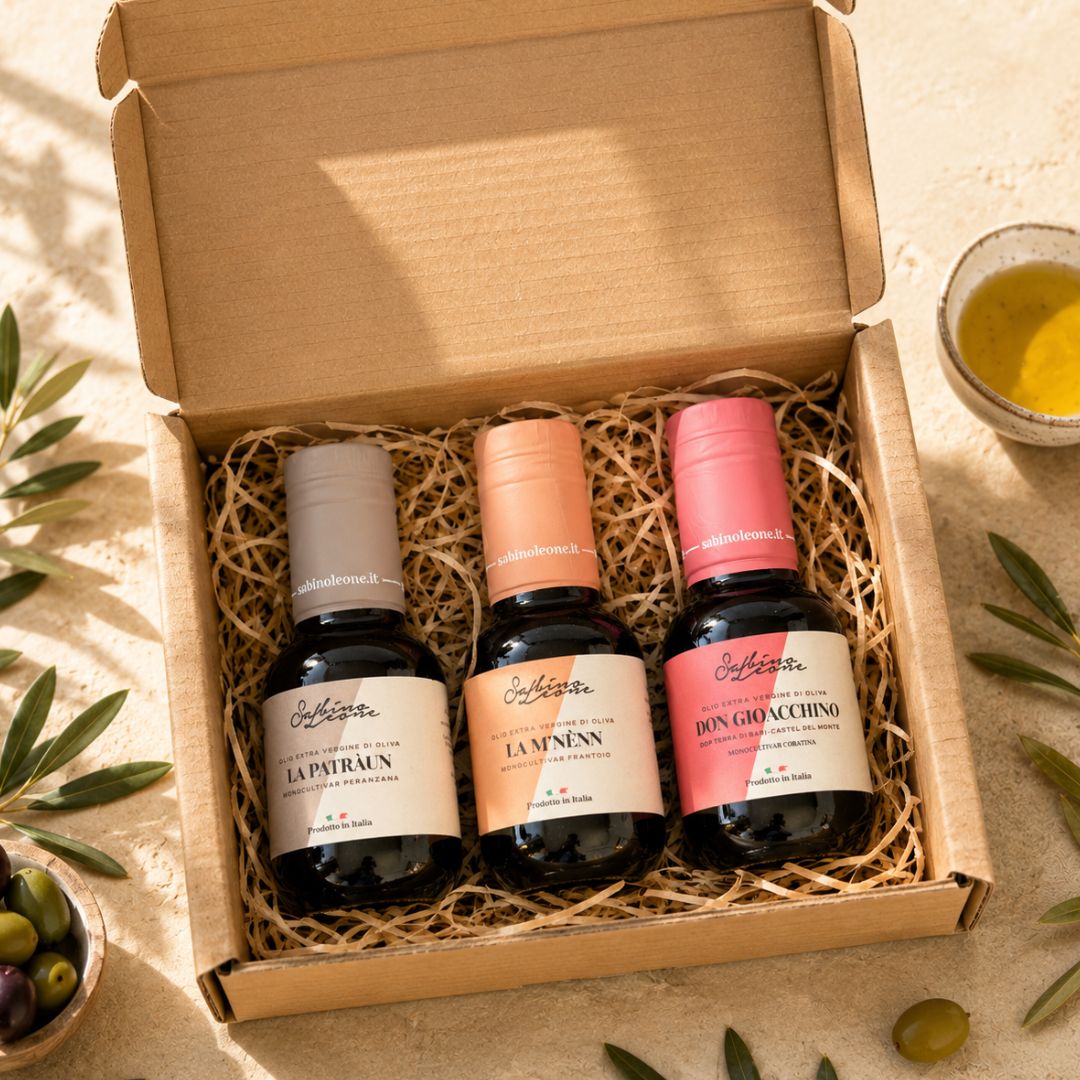
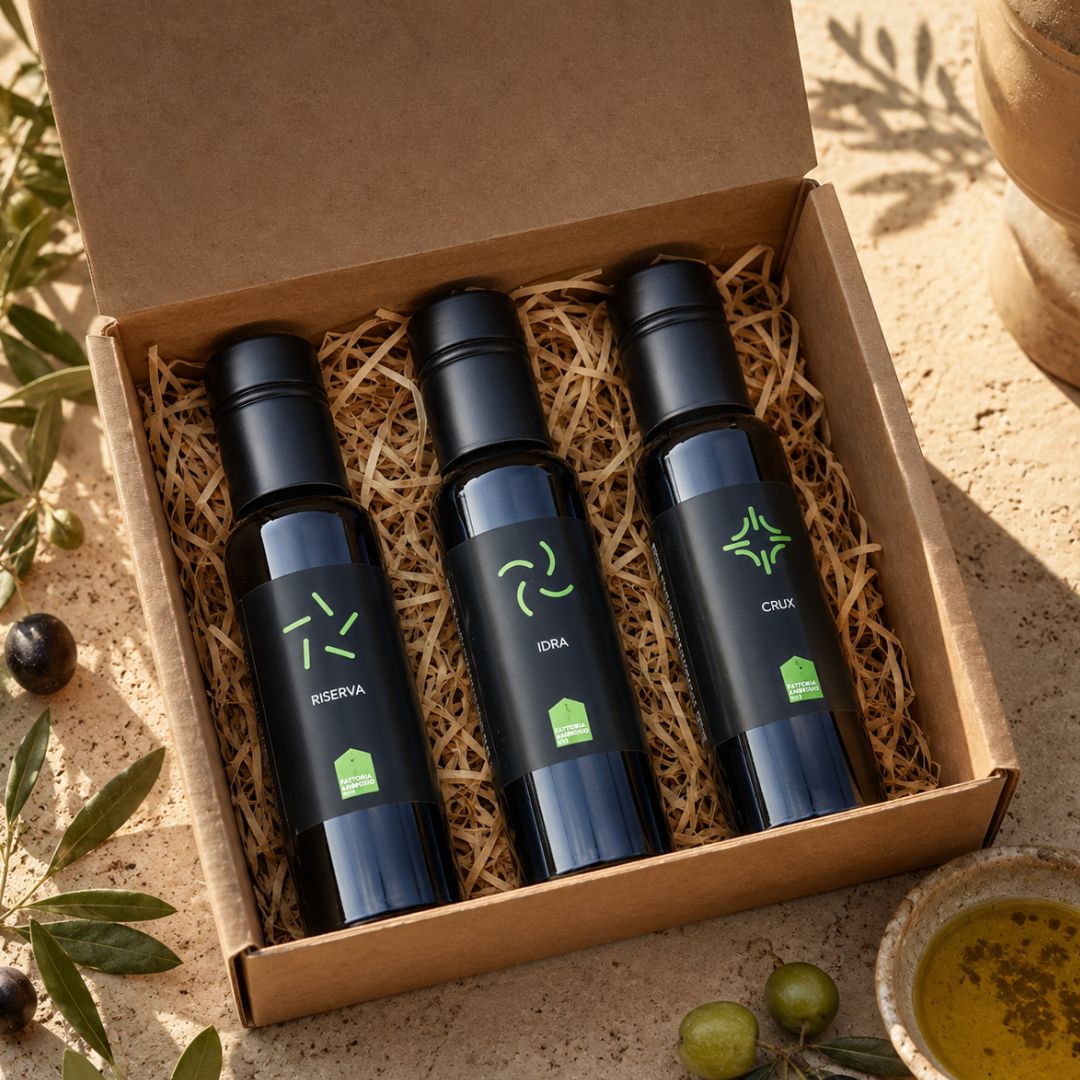
Polyphenols are naturally occurring compounds found in extra virgin olive oil and are one of the reasons fresh, high-quality EVOO can taste bitter, green and peppery.
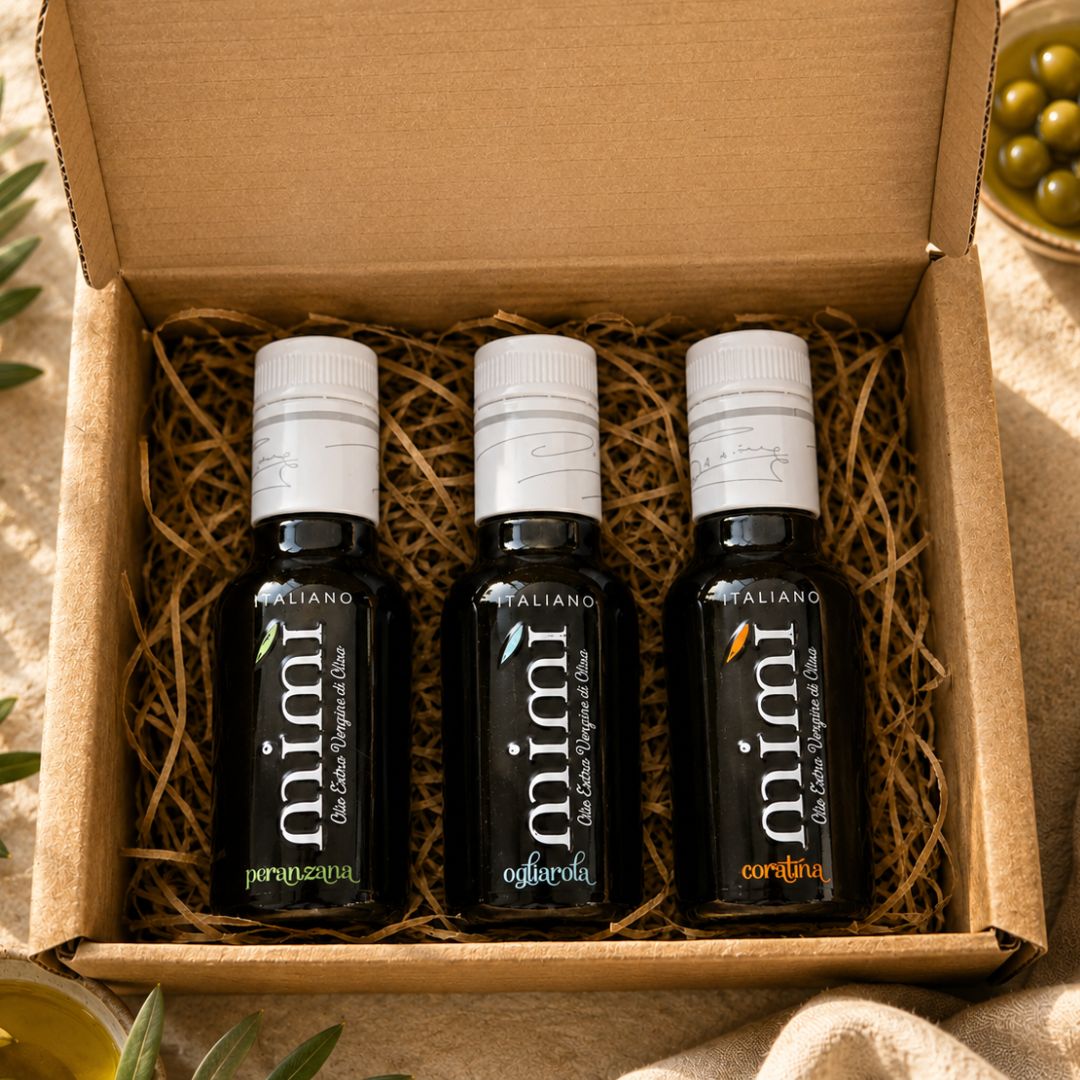
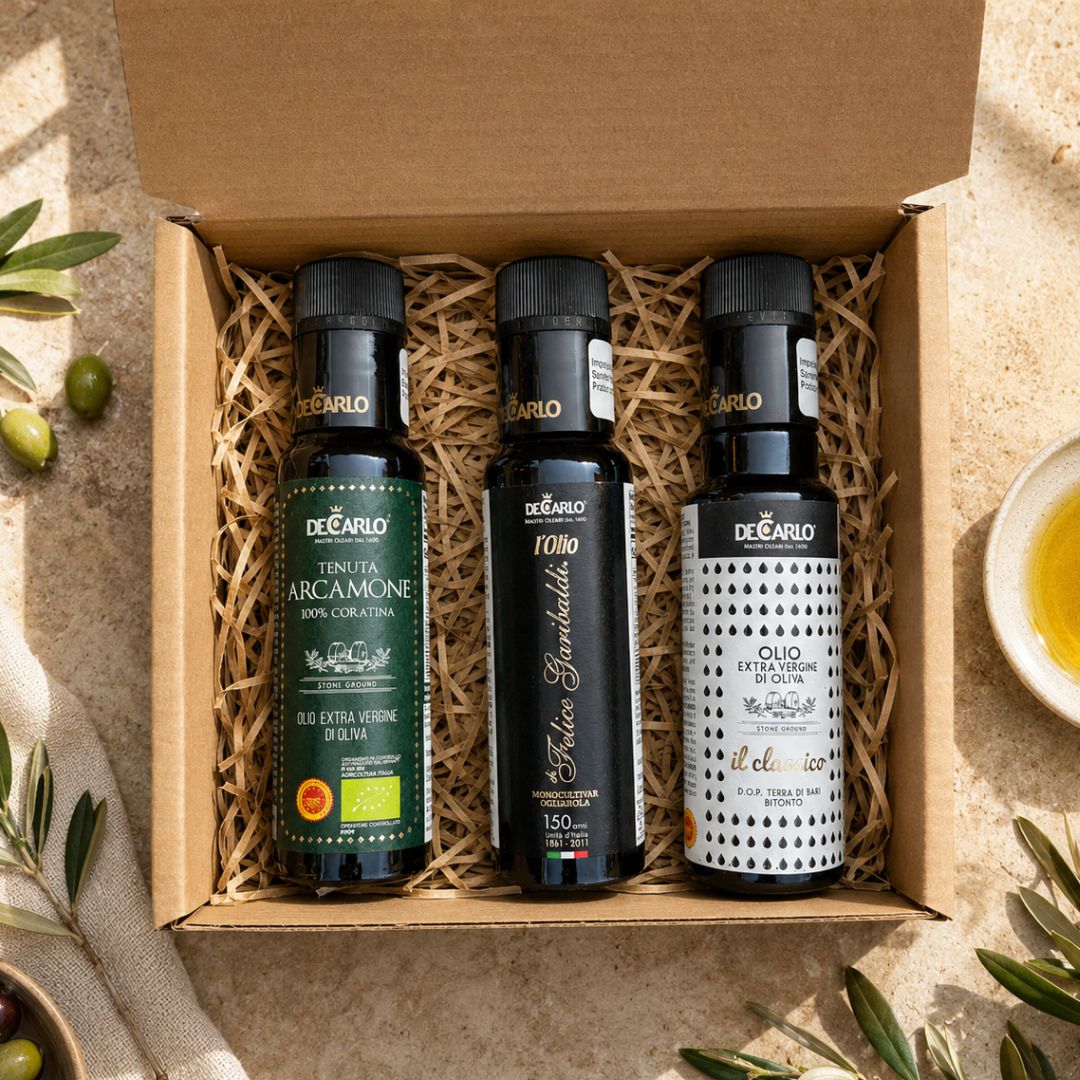
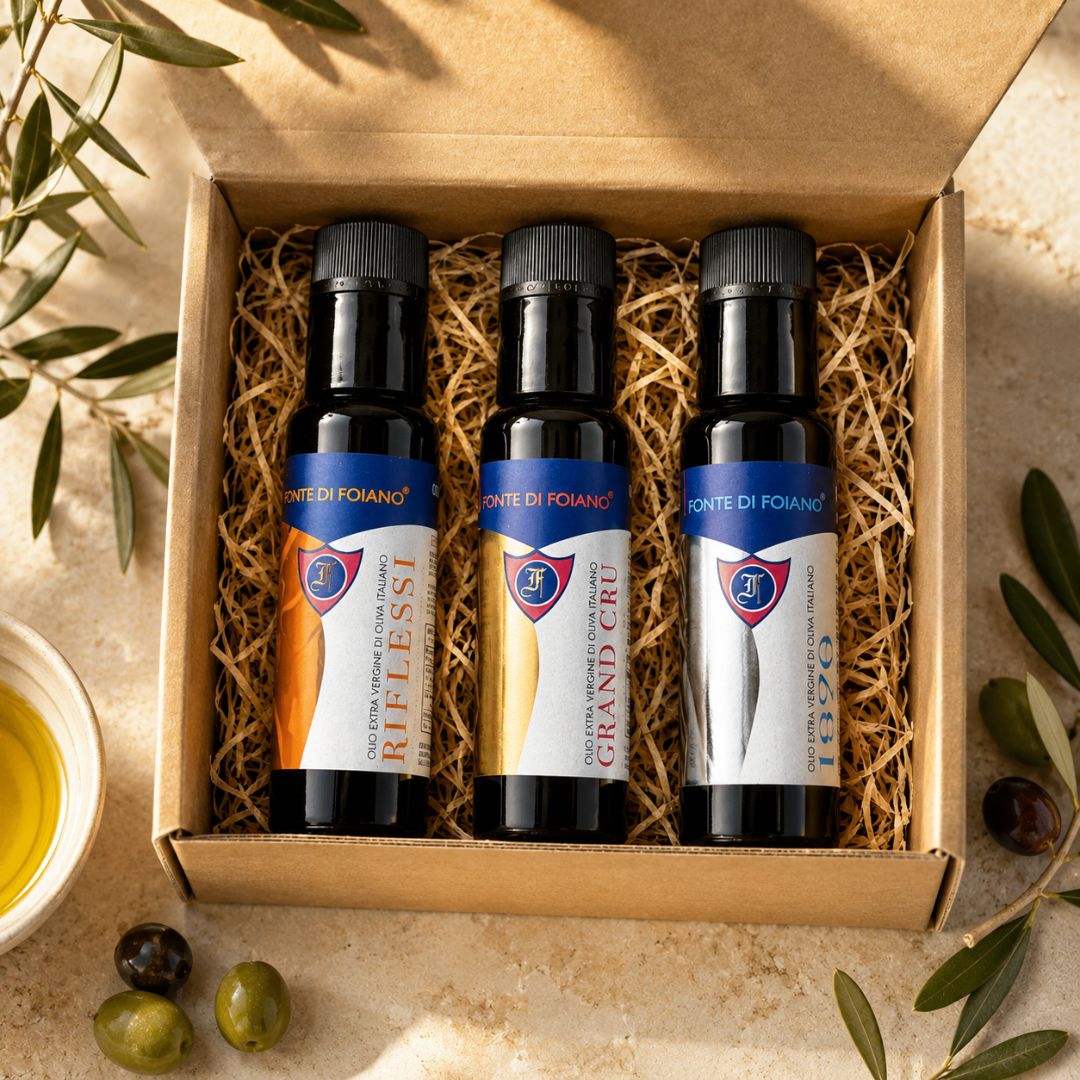
Our high polyphenol olive oil collection focuses on characterful extra virgin olive oils from specialist Italian producers, selected for freshness, provenance, harvest quality and flavour.
A general guide to this style. Every oil in the collection has its own character.
Shop high polyphenol olive oil
What are olive oil polyphenols?
Polyphenols occur naturally in olives and contribute to both the sensory character and oxidative stability of extra virgin olive oil.
Their concentration can vary according to factors such as:
- Olive variety
- Harvest timing
- Growing conditions
- Fruit ripeness
- Milling and extraction
- Storage
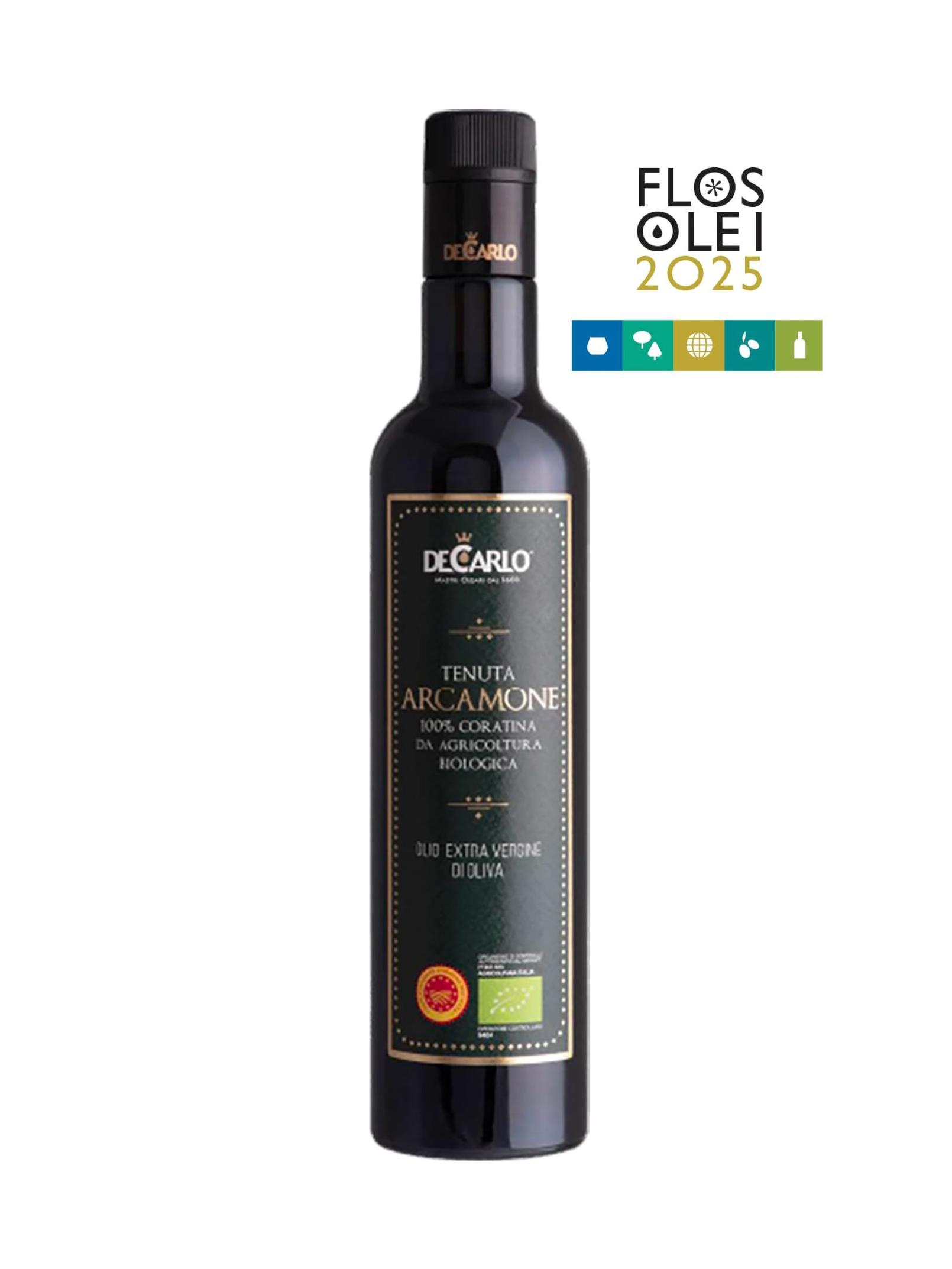
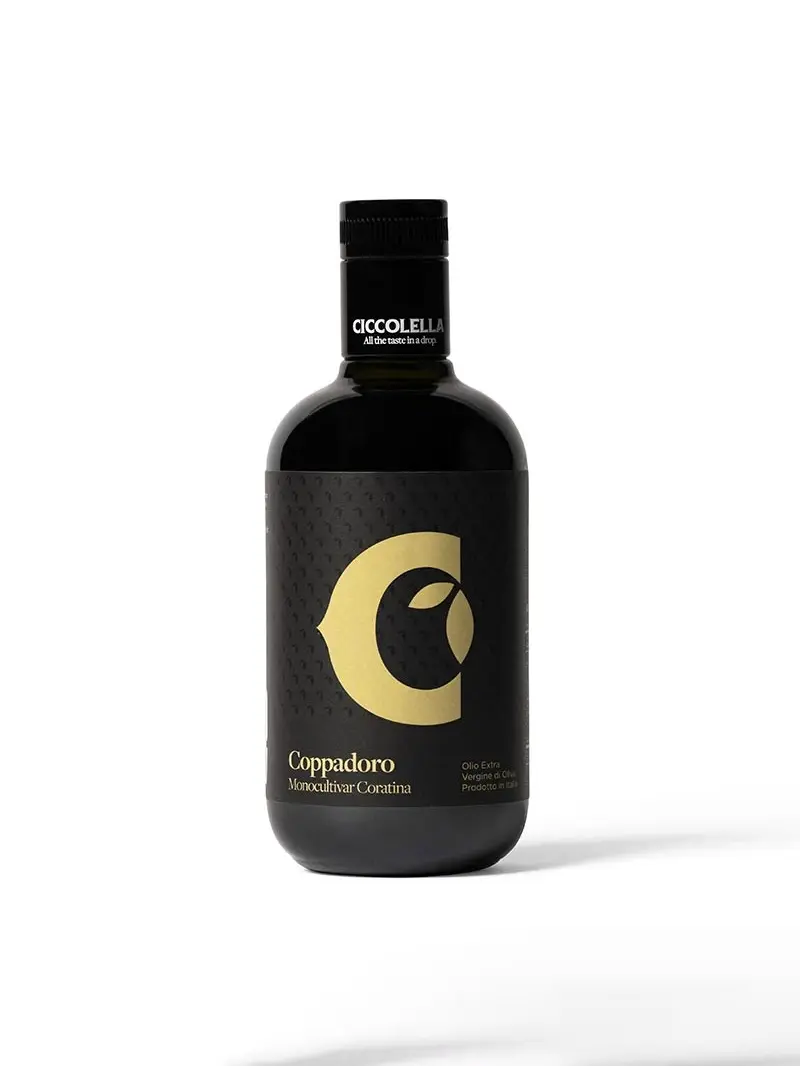
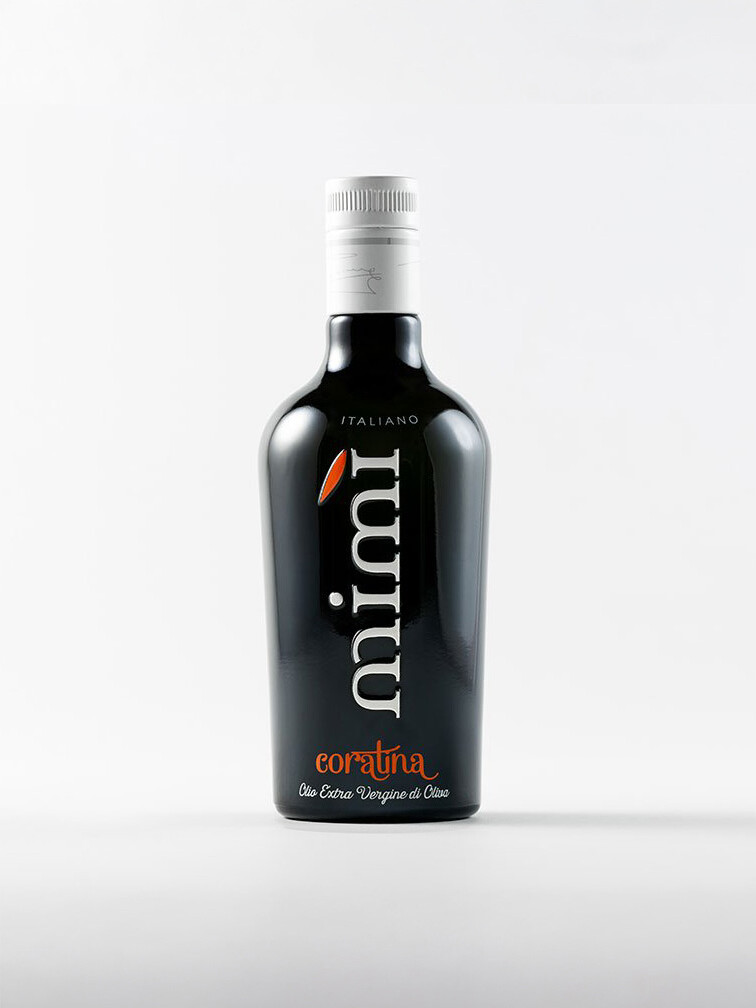
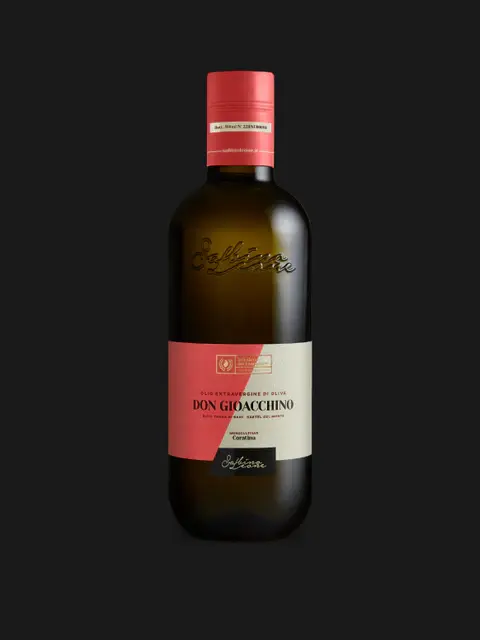
Fresh, early-harvest oils and cultivars such as Coratina are often particularly associated with higher phenolic content.
Polyphenols contribute to bitterness and pepperiness, and fresher, greener oils generally tend to contain more.
That peppery catch at the back of your throat is not necessarily a flaw.
What does high polyphenol olive oil taste like?
High-polyphenol EVOO is often:
- Green and herbaceous
- Bitter
- Peppery
- Structured
- Long on the palate
That peppery catch at the back of your throat is not necessarily a flaw. It can be part of the natural character of a fresh, phenolic olive oil.
Every premium extra virgin olive oil naturally contains polyphenols, but levels vary from bottle to bottle depending on cultivar, harvest timing and freshness.
High polyphenol oils in the kitchen
These oils are particularly suited to:
- Bitter greens
- Legumes
- Roasted vegetables
- Steak and lamb
- Tomato dishes
- Bruschetta
- Soups
- Mature cheeses
They are also excellent for tasting raw, where their aroma, bitterness and pungency can be appreciated fully.