

A warming winter soup recipe for colder days
As the temperature drops, I find myself returning to food that is simple, warming and deeply satisfying.
Soup is one of the best examples. A few good vegetables, some pulses, herbs and a little patience can become something far greater than the sum of its parts.
This roasted carrot and lentil soup with ginger is designed for exactly that kind of November day. Carrots bring natural sweetness, ginger adds warmth, red lentils give the soup body, and fresh lemon lifts everything at the end.
But the ingredient that brings it all together is extra virgin olive oil.
Rather than treating the oil simply as something to cook the vegetables in, I like to use it twice: first during roasting, then again as a generous finishing oil just before serving.
That final pour is where you really taste the oil.
A Simple Winter Wellbeing Bowl
There is always a temptation at this time of year to look for one ingredient that will somehow protect us from every seasonal cough and cold.
Food does not really work like that.
I prefer to think about winter wellbeing more broadly: eating varied, nourishing food, including plenty of vegetables, pulses, fruit and high-quality fats, and building small habits that are realistic enough to maintain.
This soup fits beautifully into that approach.
Carrots and lentils provide a substantial base, fresh ginger and garlic add plenty of flavour, lemon gives brightness and vitamin C, and extra virgin olive oil contributes naturally occurring polyphenols as well as richness and texture.
Most importantly, it tastes good enough that eating well does not feel like a chore.
Ingredients for Roasted Carrot and Lentil Soup
Serves 4
- 700g carrots, peeled and roughly chopped
- 1 large onion, quartered
- 4 garlic cloves, left in their skins
- 2 tbsp extra virgin olive oil, plus extra for finishing
- 1 thumb-sized piece of fresh ginger, peeled and grated
- 150g red lentils, rinsed
- 1 litre vegetable or chicken stock
- ½ tsp ground cumin
- ½ tsp ground turmeric
- Juice of ½ lemon
- Sea salt
- Freshly ground black pepper
To finish
- Premium extra virgin olive oil
- Fresh parsley or coriander
- A little lemon zest
- Chilli flakes, optional
- Toasted pumpkin seeds, optional
How to Make Carrot and Lentil Soup
1. Roast the vegetables
Heat the oven to 200°C / 180°C fan.
Place the carrots and onion on a roasting tray. Add the garlic cloves, drizzle with around two tablespoons of extra virgin olive oil and season with salt and black pepper.
Roast for approximately 30 to 35 minutes, turning once, until the carrots are soft and beginning to caramelise around the edges.
Roasting rather than boiling the carrots gives the finished soup far more depth.
2. Build the soup
Transfer the roasted carrots and onion to a large saucepan.
Squeeze the soft roasted garlic from its skins and add it to the pan along with the ginger, cumin, turmeric and rinsed lentils.
Pour in the stock and bring everything to a gentle simmer.
Cook for around 20 minutes, or until the lentils are completely soft.
3. Blend until smooth
Using a stick blender, blend the soup until smooth.
If it is thicker than you like, add a little more stock or hot water.
Taste and adjust the seasoning before stirring through the lemon juice.
The lemon should not dominate. Its role is to sharpen the sweetness of the carrots and make the soup taste fresher.
The Important Part: Finish with Good Extra Virgin Olive Oil
Ladle the soup into warm bowls.
Now add the extra virgin olive oil.
I like a generous drizzle across the surface rather than a few decorative drops. This is a finishing ingredient, and you should be able to taste it.
For this recipe, I would choose an oil with some character.
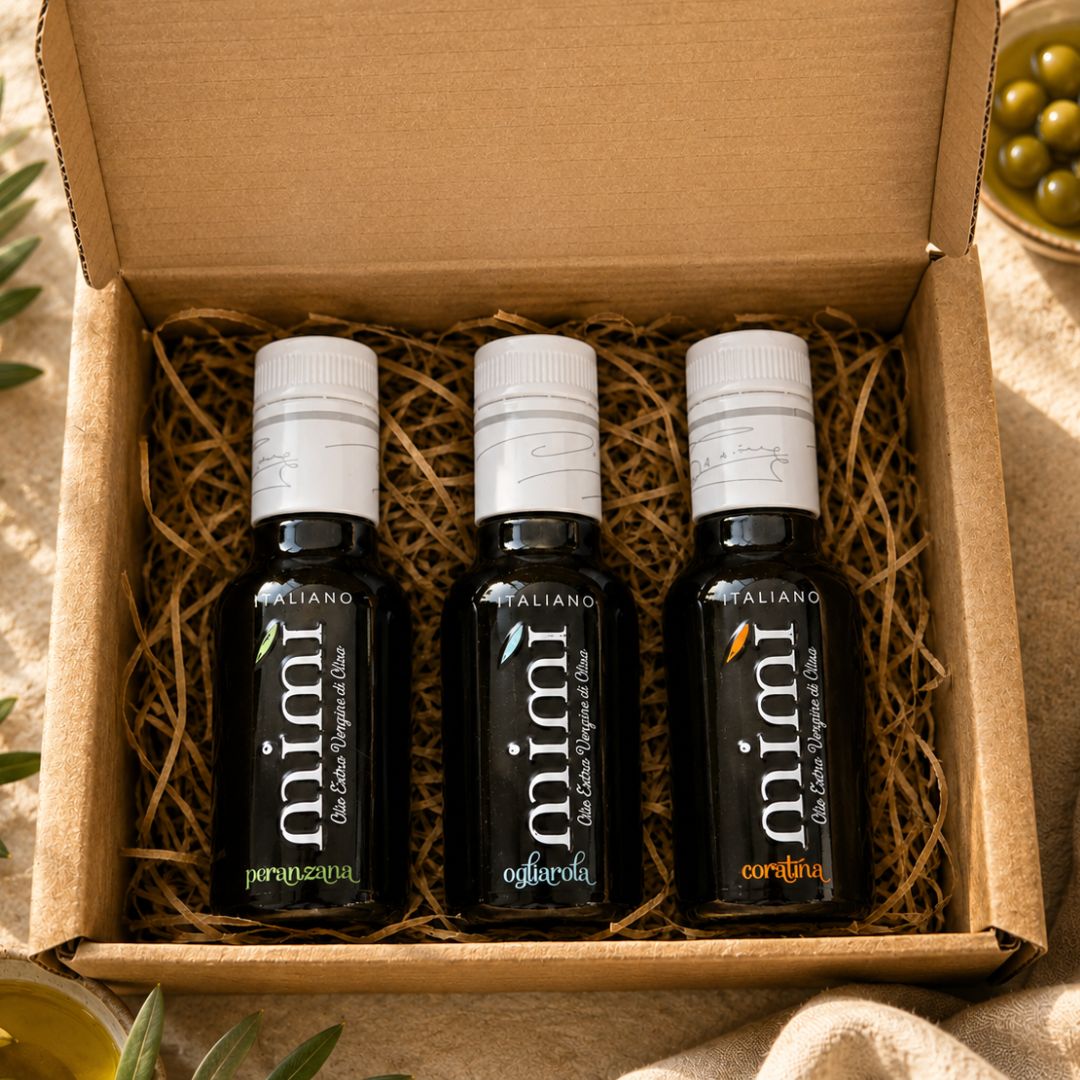
The sweetness of the roasted carrot can handle bitterness and pepperiness particularly well. A structured Coratina or another medium-to-intense oil creates a beautiful contrast with the creamy soup.
Finish with chopped herbs, a little lemon zest and, if you like, toasted pumpkin seeds or chilli flakes.
Why Olive Oil Works So Well with Soup
A good finishing oil changes a soup in several ways.
First, it adds aroma. The warmth from the bowl releases the volatile aromas in the oil as soon as it touches the surface.
Then comes texture. A fresh extra virgin olive oil adds richness without making the soup feel heavy.
Finally, there is contrast.
A bold oil can bring bitterness and pepperiness against sweet vegetables, creamy pulses and roasted flavours. That contrast is often what turns a pleasant bowl of soup into something much more interesting.
It is also why I rarely think of premium olive oil as simply a cooking fat.
Used properly, it is seasoning.
A Better Kind of Winter Comfort Food
November food should feel comforting.
But comforting does not have to mean heavy.
A bowl of vegetables, lentils, ginger, lemon and exceptional extra virgin olive oil is simple food, but when the ingredients are treated properly it can be incredibly satisfying.
Serve it with warm sourdough, good bread or a simple leafy salad.
And keep the bottle of olive oil on the table.
You will probably want another pour.
Frequently Asked Questions
Which olive oil is best for carrot and lentil soup?
Choose an oil with some character. The sweetness of the roasted carrot handles bitterness and pepperiness well, so a structured Coratina or another medium-to-intense extra virgin olive oil works beautifully as a finishing oil.
Why roast the carrots instead of boiling them?
Roasting gives the finished soup far more depth, because the carrots soften and begin to caramelise around the edges.
What if my soup is too thick?
Add a little more stock or hot water, then taste and adjust the seasoning before stirring through the lemon juice.
Looking for the right finishing oil? Try our Coratina by Mimì, see our olive oil pairing guide or browse more extra virgin olive oil recipes.
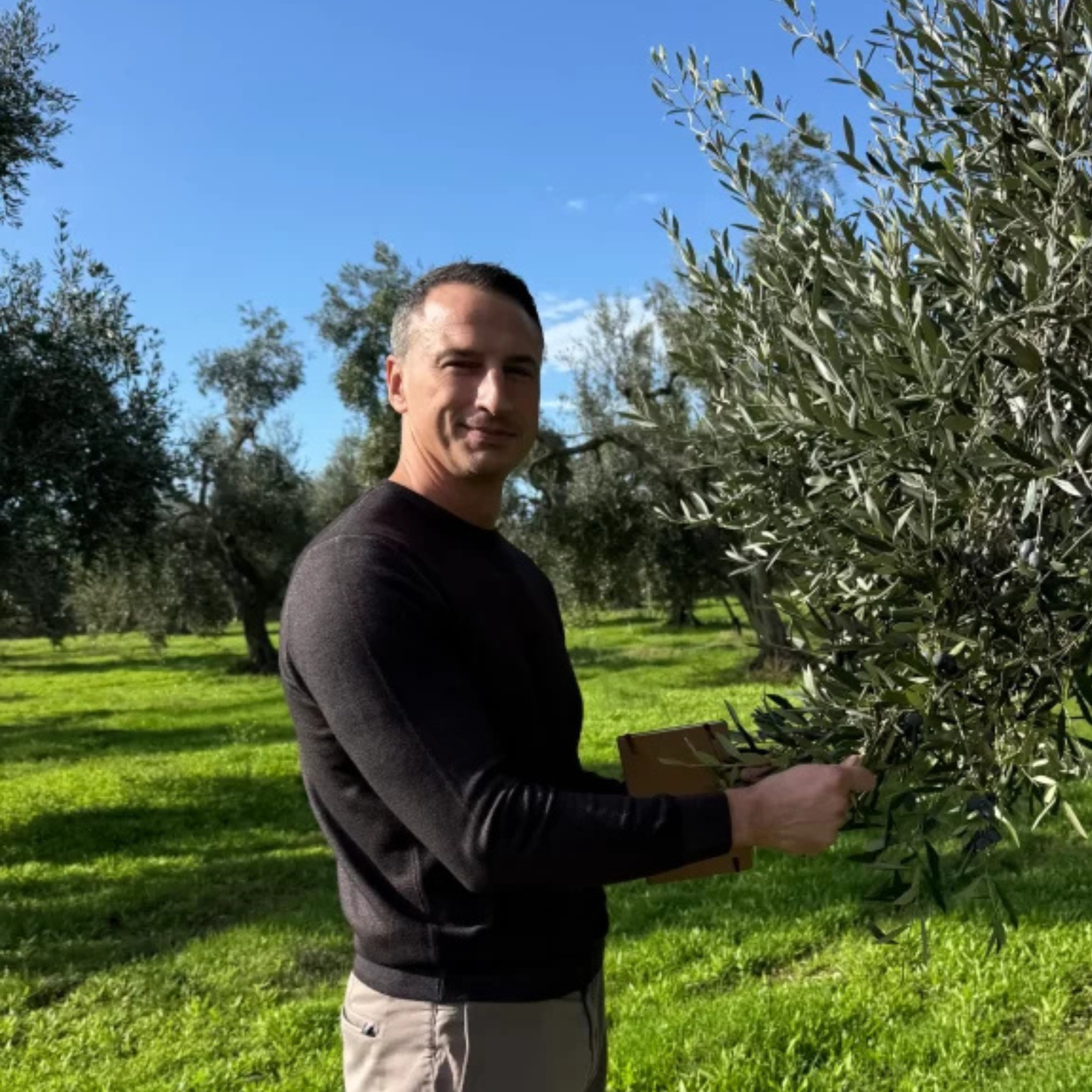
About the authorNick Ednie is the founder and curator of The Olive Library, a personal journey into the world of high-quality extra virgin olive oil. With a deep love of food, Nick travels the Mediterranean to discover and share some of the finest olive oils available. He has also deepened his expertise through study at the prestigious EVOO School. Nick’s mission is to champion heritage, quality and education in every bottle he selects and to bring the stories behind exceptional producers to life. When he’s not tasting and sourcing oils, he writes about flavour, terroir and the art of olive oil appreciation.