



When people begin exploring extra virgin olive oil, they often focus on the country or region printed on the bottle. Italy, Spain, Greece and Portugal each carry certain expectations, but geography tells only part of the story.
To understand why one olive oil tastes delicate and almond-like while another is intensely green and peppery, it helps to look more closely at the olive itself.
This is where cultivars come in.
What is an olive cultivar?
A cultivar is a particular cultivated variety of olive. Just as Chardonnay, Pinot Noir and Sangiovese grapes possess their own characteristics, different olive cultivars have recognisable flavour profiles, structures and levels of intensity.
Italy alone is home to hundreds of olive cultivars. Some are grown across several regions, while others remain closely connected to one particular landscape or community.
Among the oils selected for The Olive Library, you may encounter cultivars such as:
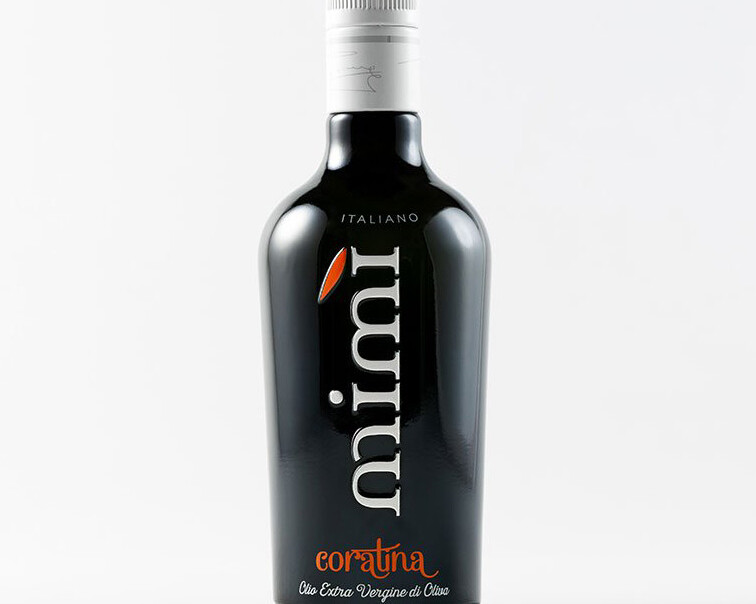
- Coratina – known for its bold structure, green character and persistent pepperiness
- Frantoio – often aromatic, balanced and elegantly herbaceous
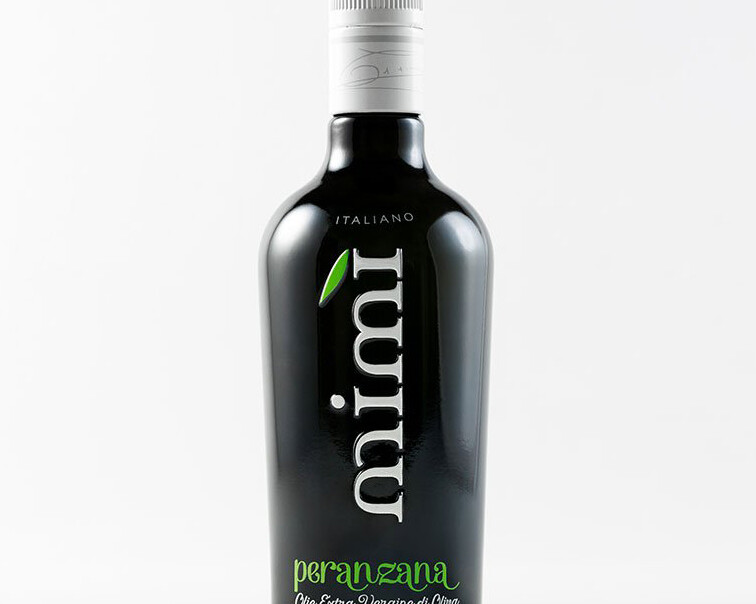
- Peranzana – typically fresher and more harmonious, with notes that can recall tomato, herbs and almond
- Leccino – often softer and more delicate
- Ogliarola – which can produce rounded, fragrant oils with a gentler finish
These descriptions are useful starting points, but they are not rigid rules. The final flavour is also shaped by the land, weather, harvest timing and decisions made at the mill.
Why does the cultivar change the flavour?
Each olive cultivar has its own natural composition. This influences the aromas, bitterness, pungency and texture that appear in the finished oil.
Some cultivars naturally produce robust oils with a pronounced bitterness and a peppery finish. Others create something softer, fruitier or more floral.
This does not make one cultivar better than another. It makes them suited to different dishes and different palates.
A powerful Coratina can be remarkable with grilled meat, bitter greens, pulses or rich tomato sauces. A gentler Leccino may feel more at home with fish, fresh cheese, mayonnaise or delicate vegetables.
The pleasure lies in matching the character of the oil to the food.
Monovarietal oils and blends
A monovarietal olive oil is made predominantly or entirely from one named cultivar. These oils offer a particularly clear way to experience the character of an individual olive.
Tasting a monovarietal Coratina next to a Peranzana, for example, reveals how dramatically two oils from the same country – and sometimes the same producer – can differ.
A blend combines two or more cultivars. When made with care, blending is not a compromise. It is a skilled act of composition.
A producer may combine cultivars to create balance, bringing together the aroma of one olive, the structure of another and the softer finish of a third. The result can be more harmonious than any individual component.
The important distinction is not between monovarietal and blended oil. It is between oils made thoughtfully and those made anonymously.
Cultivar is only the beginning
The same cultivar can express itself differently depending on where and how it is grown.
Coratina cultivated in one part of Puglia may not taste identical to Coratina grown elsewhere. Soil, rainfall, temperature, altitude and the age of the trees all leave their mark.
Harvest timing is equally important. Olives picked earlier tend to produce greener, more structured oils, while later harvesting can create a rounder and softer expression.
The skill of the producer then determines how clearly these qualities survive the journey from fruit to bottle.
Cultivar provides the vocabulary, but place and craftsmanship shape the finished sentence.
How to explore cultivars at home
The best way to understand olive cultivars is to taste them side by side.
Pour a small amount of each oil into separate glasses. Warm the glass gently in your hand, inhale the aroma and then take a small sip. Notice the fruitiness first, followed by bitterness and the peppery sensation that may develop at the back of the throat.
Rather than immediately deciding which oil you prefer, ask what each one reminds you of. Fresh grass? Green tomato? Artichoke? Almond? Herbs? Ripe fruit?
Then taste the oils with simple foods such as warm bread, tomatoes, steamed vegetables or fresh cheese. An oil that feels assertive on its own may become perfectly balanced when paired with food.
A more personal way to choose olive oil
Learning the names of olive cultivars gives you a more useful way to shop.
Instead of looking for one universal “best” olive oil, you can begin to recognise the qualities you enjoy. Perhaps you prefer oils with strong green aromas and a peppery finish. Perhaps you are drawn to softer oils with almond notes and gentle bitterness.
There is no correct preference.
Understanding cultivars simply makes olive oil more personal. Each bottle becomes an opportunity to experience a particular olive, grown in a particular place and interpreted by a particular producer.
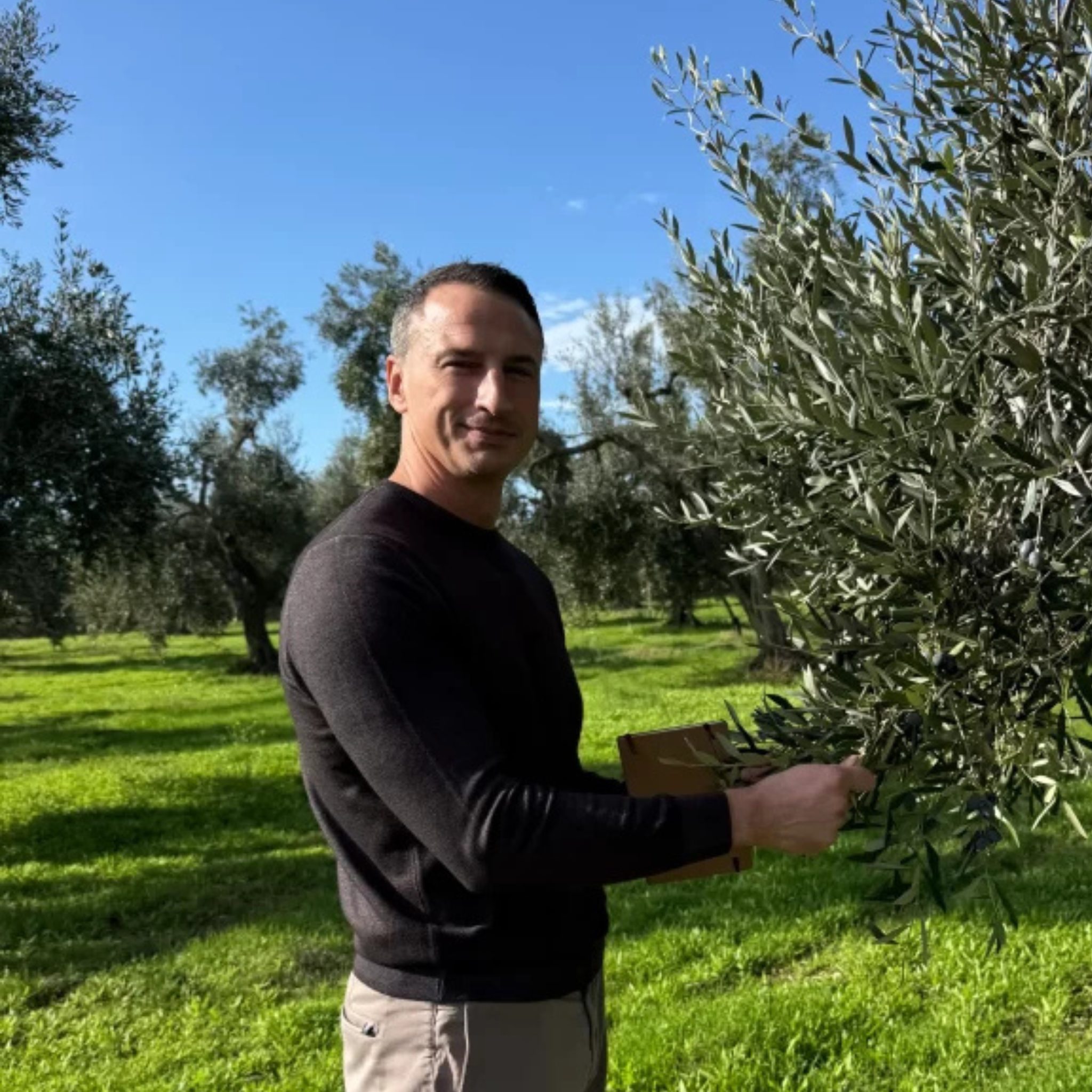
About the authorNick Ednie is the founder and curator of The Olive Library, a personal journey into the world of high-quality extra virgin olive oil. With a deep love of food, Nick travels the Mediterranean to discover and share some of the finest olive oils available. He has also deepened his expertise through study at the prestigious EVOO School. Nick’s mission is to champion heritage, quality and education in every bottle he selects and to bring the stories behind exceptional producers to life. When he’s not tasting and sourcing oils, he writes about flavour, terroir and the art of olive oil appreciation.