

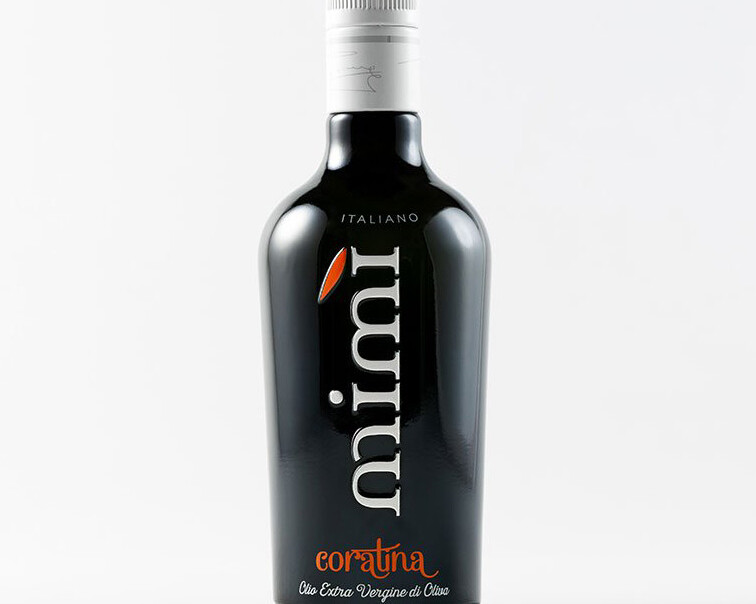
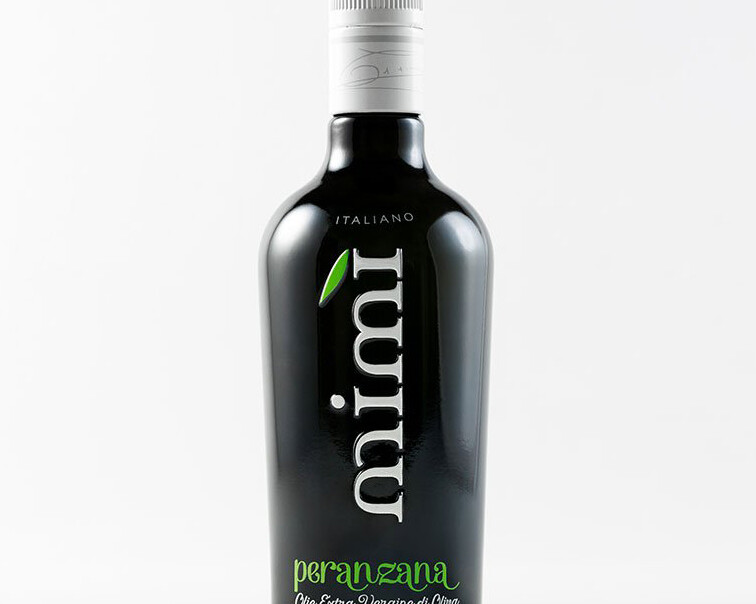
Premium extra virgin olive oil is not just a cooking ingredient. It is, in fact, one of the most expressive foods you can buy. When you taste it properly, it opens up in the same way a good wine does. You notice bitterness, pepperiness, fruit, freshness and aroma. As a result, you begin to understand how different two oils can be, even when both carry the extra virgin label.
In many ways, premium extra virgin olive oil is the fine wine of the kitchen. Not because it should feel precious or intimidating, but because it deserves the same curiosity, attention and respect.
Why Premium Extra Virgin Olive Oil Begins with Place
Wine has terroir. Similarly, olive oil has its own sense of place. The flavour of a great extra virgin olive oil comes from where the olives grow. Climate, soil, altitude, rainfall and sunlight all leave their mark. Furthermore, a tree growing near the coast will not express itself the same way as one on a dry inland hillside.
Italian olive oil shows this clearly. Tuscany brings structure, green herbs, artichoke and bitterness. Lake Garda, on the other hand, offers delicacy, almond and quiet precision. Campania gives aromatic brightness and lift, while Puglia produces oils with power, pepperiness and remarkable depth. According to the International Olive Council, these regional differences reflect genuine differences in sensory profile and chemical composition. In short, just as wine allows you to taste a vineyard, great olive oil allows you to taste a landscape.
Cultivar Matters, Just Like Grape Variety
Each olive variety has its own natural character. Coratina, for instance, can be bold, bitter and peppery. Frantoio often brings balance, green fruit and spice. Moraiolo, meanwhile, provides structure and intensity. Leccino may soften a blend with rounder fruit. Casaliva from Lake Garda is typically elegant, restrained and aromatic.
This is why monovarietal olive oils are so revealing. They make flavour easier to understand. Moreover, you begin to see how one olive variety behaves in a particular place, under a particular harvest decision. A good oil is never just olive oil. It has identity.
Harvest Timing Changes the Character of Premium Olive Oil
Freshness is one of the most important markers of quality in extra virgin olive oil. Once the olives are harvested and the oil is made, the clock starts ticking. Aromas fade, bitterness softens and the oil gradually loses the vitality that made it special. Therefore, timing matters more than most people realise.
Early-harvest oils come from greener olives. They produce less oil, which makes them more expensive to produce. However, they often have greater structure, more bitterness, clearer pepperiness and higher polyphenol levels. Later-harvest oils tend to be softer, rounder and more approachable, with riper fruit notes and a gentler finish. Neither is automatically superior. What matters, ultimately, is intention and craftsmanship.
The Producer Protects the Story
A vineyard gives wine its potential, but the winemaker still has to protect it. Similarly, behind every exceptional extra virgin olive oil is a producer making careful decisions. How quickly do the olives reach the mill? Are they handled gently? Moreover, is the oil stored properly before bottling?
Olives begin to degrade from the moment they are picked. If they are bruised or left too long, the final oil will suffer. As a result, great olive oil requires real discipline. The best producers are not chasing volume. Instead, they are protecting character.
How to Taste Premium Extra Virgin Olive Oil
A good extra virgin olive oil should smell clean and fresh. Depending on the variety and harvest, you might notice grass, tomato leaf, artichoke, green almond, herbs or citrus. On the palate, look for three positive attributes: fruitiness, bitterness and pungency. That peppery feeling at the back of the throat is not a fault. In fact, in high-quality oils, it is a sign of freshness and polyphenol content.
The more you taste, the more your palate develops. Bitterness begins to feel structural rather than harsh. Furthermore, pepperiness feels alive rather than aggressive. Fruitiness becomes more layered. You start to understand that intensity is not the same as quality, and softness is not the same as elegance.
Pairing Premium Olive Oil with Food
We would never expect one wine to suit every dish. The same logic should apply to olive oil. A bold, peppery oil works beautifully with tomatoes, grilled vegetables, beans, bitter greens, lamb or aged cheese. A medium oil, on the other hand, is the most versatile in the kitchen. It works across salads, roasted vegetables, pasta, eggs, poultry and warm grains. A delicate oil, meanwhile, suits fish, fresh cheese, potatoes and lighter dishes where subtlety matters.
Once you begin pairing olive oil with purpose, it stops being a condiment. Instead, it becomes a true ingredient. A final pour of the right oil can change the whole direction of a dish entirely.
Premium Olive Oil Belongs on the Table
Place a bottle of premium extra virgin olive oil on the table and it changes the mood of a meal. People pour it over bread, tomatoes, vegetables and cheese. They ask where it is from. They notice the pepperiness. They start comparing oils, just as they would compare wines. Therefore, premium olive oil should not sit unopened in a cupboard. It should be opened, tasted, shared and enjoyed while it is fresh.
Final Thoughts
Premium extra virgin olive oil carries more than fat. It carries place, harvest, cultivar, craftsmanship, freshness and intention. Unlike fine wine, however, olive oil is not made to be aged. It is made to be used. Open the bottle. Taste it properly. Pour it with purpose. Once you begin to understand it this way, it becomes very difficult to go back to seeing it as ordinary.
For more ways to enjoy premium olive oil at the table, read our guide on how to build a Mediterranean summer table with extra virgin olive oil, or explore the flavours of tomatoes and extra virgin olive oil in summer.
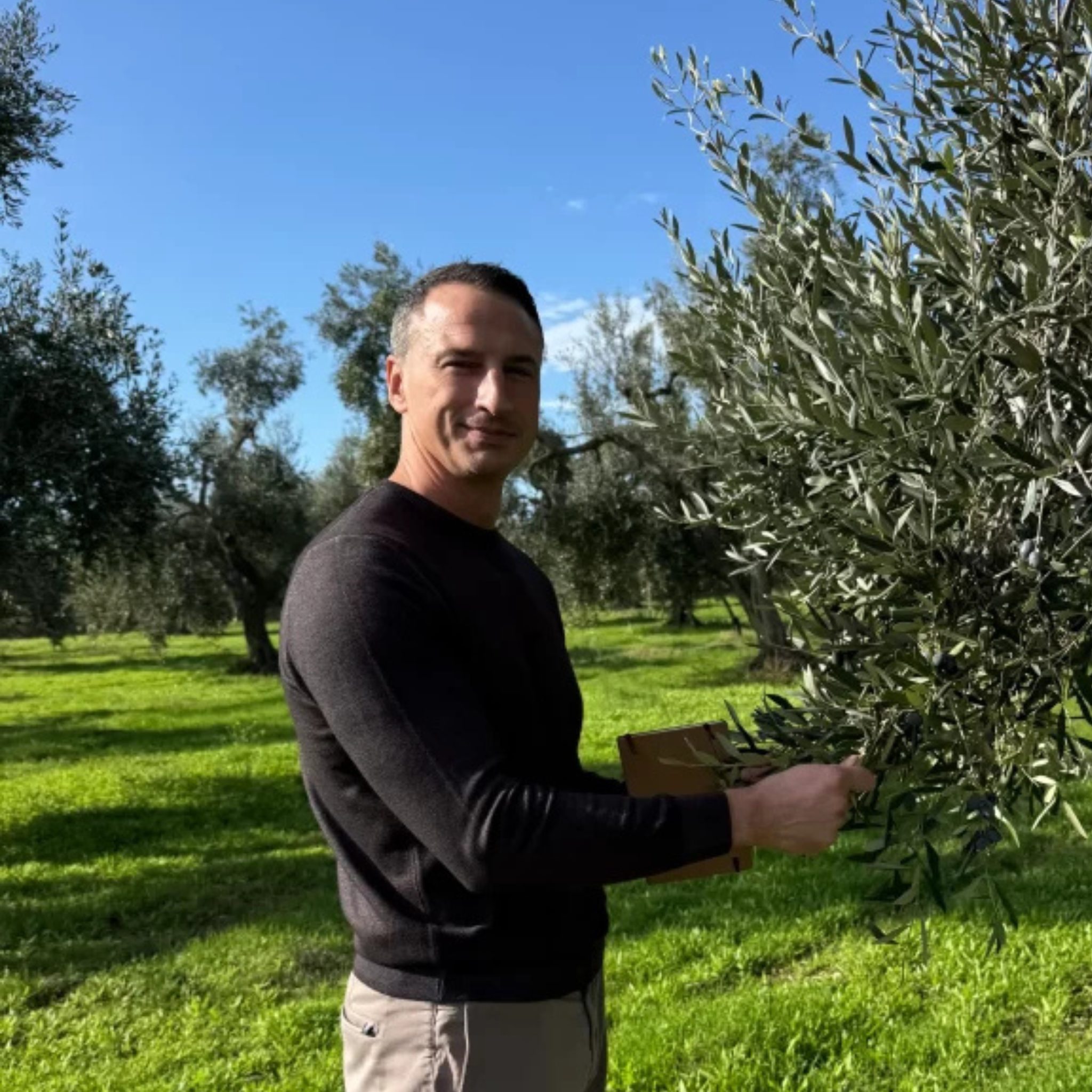
About the authorNick Ednie is the founder and curator of The Olive Library, a personal journey into the world of high-quality extra virgin olive oil. With a deep love of food, Nick travels the Mediterranean to discover and share some of the finest olive oils available. He has also deepened his expertise through study at the prestigious EVOO School. Nick’s mission is to champion heritage, quality and education in every bottle he selects and to bring the stories behind exceptional producers to life. When he’s not tasting and sourcing oils, he writes about flavour, terroir and the art of olive oil appreciation.