


Olive oil is often described as healthy, but that word can become vague very quickly. At The Olive Library, we prefer to think about olive oil more specifically. A good extra virgin olive oil is not simply a fat. It is a fresh agricultural product, full of flavour, shaped by variety, harvest, place and handling. It also happens to sit at the heart of one of the most widely respected eating patterns in the world — the Mediterranean diet.
In the UK, heart-health guidance often focuses on the importance of replacing saturated fats with unsaturated fats. Olive oil is naturally rich in monounsaturated fat, a type of unsaturated fat associated with better heart health when used in place of fats such as butter, ghee, coconut oil or palm oil.
That replacement matters. Olive oil is not magic because it is poured onto a plate. Its benefit comes from how it is used — as part of an overall pattern of eating that includes vegetables, pulses, wholegrains, nuts, seeds, fish and fewer heavily processed foods.
Extra virgin olive oil offers something else too — flavour. This is where quality becomes important. A fresh EVOO can taste green, grassy, peppery, bitter, fruity or herbaceous. Those sensations are not flaws. Bitterness and pepperiness are often signs of freshness and naturally occurring polyphenols, the plant compounds that help give extra virgin olive oil its structure and character.
Why olive oil is associated with heart health
Olive oil’s heart-health reputation comes largely from its fat profile. The British Heart Foundation notes that all types of olive oil are high in unsaturated fats, especially monounsaturated fat, and that UK dietary guidelines recommend replacing saturated fats with unsaturated fats to support heart health.
That does not mean pouring more oil over everything. Olive oil is still energy-dense. The point is substitution — use it instead of less heart-friendly fats, not simply on top of them.
A simple example: instead of butter on roasted vegetables, finish them with extra virgin olive oil. Instead of a creamy dressing, use olive oil, lemon and sea salt. Instead of cooking with hard fats, use olive oil where appropriate. Small habits become meaningful when they are repeated.
Olive oil and the Mediterranean pattern
The Mediterranean diet is often described as a diet, but it is really a style of eating. NHS-linked Mediterranean diet guidance describes it as a pattern focused on plant foods such as fruit, vegetables, wholegrains, nuts, seeds and pulses, with olive oil used to replace other oils and fats.
This is important because olive oil is rarely working alone. It often appears alongside tomatoes, beans, greens, fish, lentils, herbs and whole grains. It helps make those foods delicious, which is one of its most practical health benefits. A drizzle of excellent EVOO can make vegetables more appealing. It can turn beans into lunch. It can make a salad feel complete. Healthier eating becomes much easier when it is enjoyable.
Why extra virgin matters
Extra virgin olive oil is mechanically extracted and made without chemical refining. It is the category most closely associated with aroma, flavour and naturally occurring polyphenols.
Premium EVOO should also offer traceability. You should know where it came from, when it was harvested and ideally which olives were used. At The Olive Library, those details matter because they tell you whether the oil has been treated as a fresh product or a generic commodity.
How to use olive oil for everyday health
Use extra virgin olive oil as your main dressing oil. Drizzle it over tomatoes, greens, beans, lentils and grilled vegetables. Use it as a finishing ingredient. A peppery oil over soup, fish or roasted squash can transform the dish. Use it to replace saturated fats where it makes sense. That is where much of the health value lies.
Above all, choose an oil you enjoy. The healthiest olive oil is the one you will actually use, regularly and with pleasure.
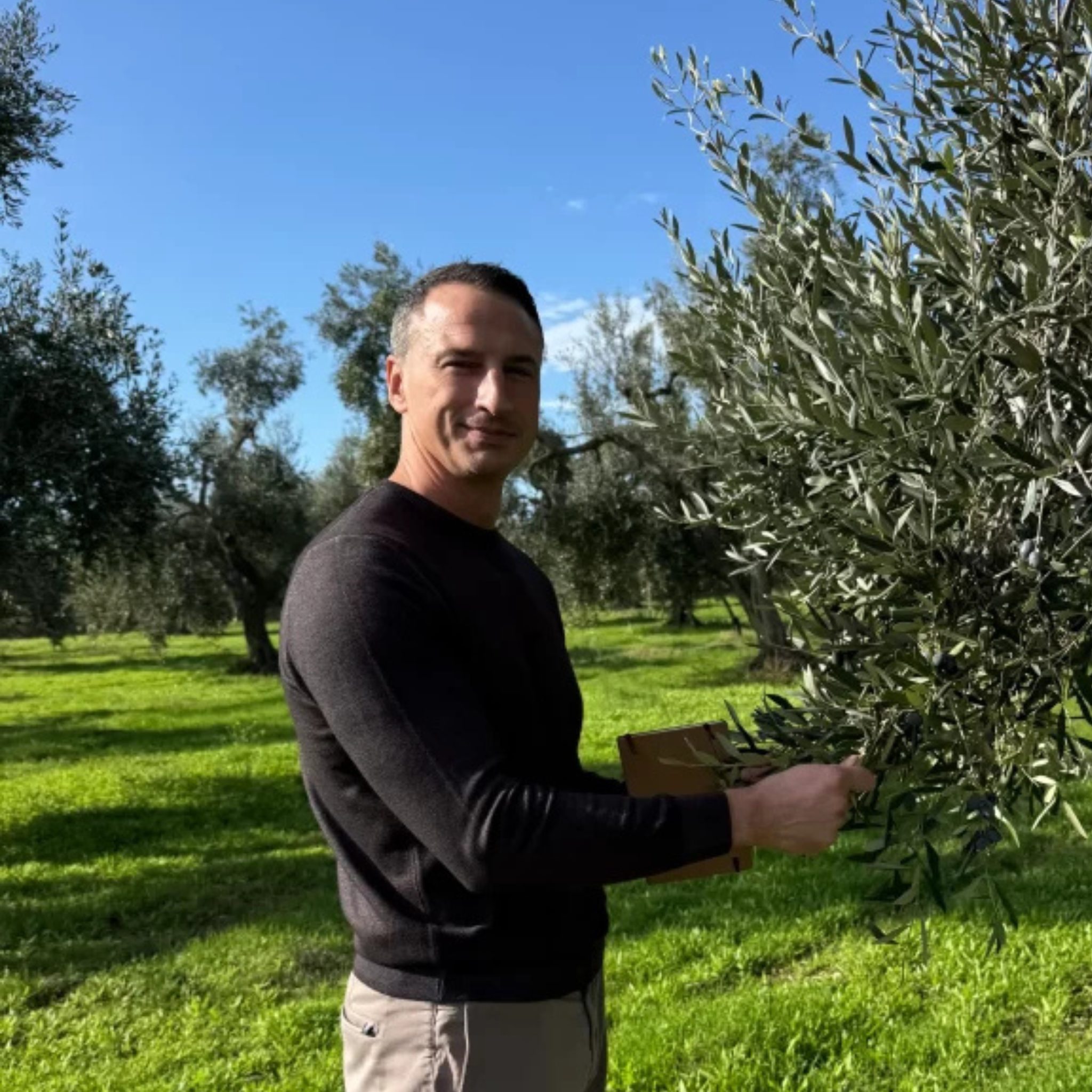
About the authorNick Ednie is the founder and curator of The Olive Library, a personal journey into the world of high-quality extra virgin olive oil. With a deep love of food, Nick travels the Mediterranean to discover and share some of the finest olive oils available. He has also deepened his expertise through study at the prestigious EVOO School. Nick’s mission is to champion heritage, quality and education in every bottle he selects and to bring the stories behind exceptional producers to life. When he’s not tasting and sourcing oils, he writes about flavour, terroir and the art of olive oil appreciation.