


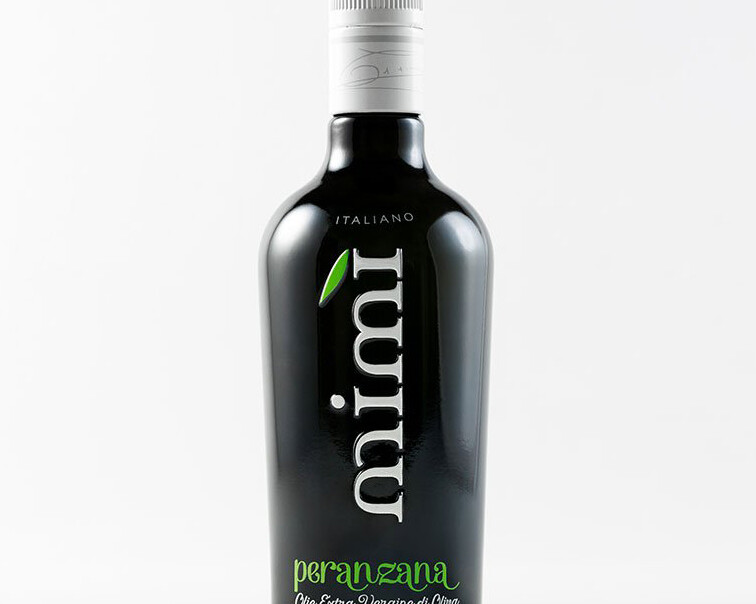
There was a time when olive oil sat quietly at the back of the cupboard. It was useful, familiar and slightly anonymous. Something to cook with, not necessarily something to talk about. That is changing.
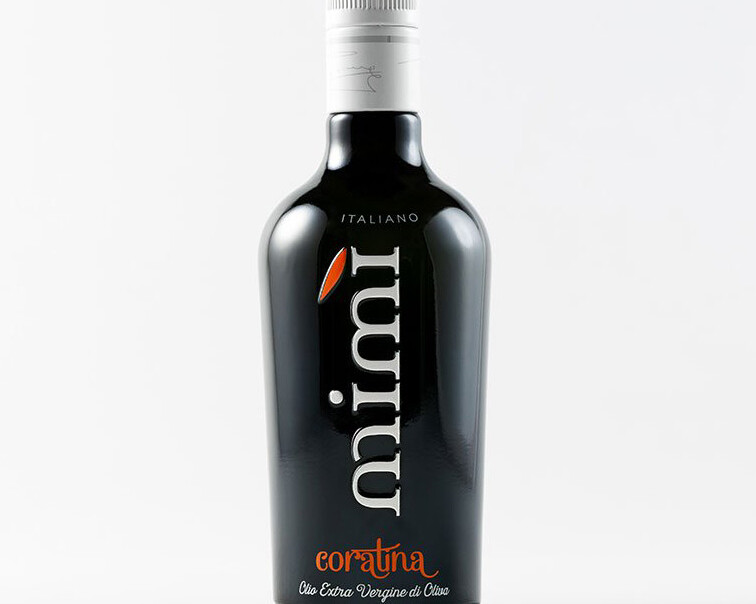
Premium olive oil is becoming one of the most interesting categories in food — part ingredient, part gift, part health choice, part table ritual. It is appearing in beautiful bottles, being poured at dinner parties and increasingly being discussed with the same curiosity once reserved for wine, coffee and chocolate.
I think this shift makes complete sense. A good extra virgin olive oil has everything modern food lovers care about — provenance, seasonality, producer story, flavour, craft and a sense of place.
The move from commodity to character
Most people grew up thinking olive oil was one thing. In reality, olive oil is incredibly varied. Different olive varieties can taste grassy, delicate, peppery, tomato-like, artichoke-like, buttery, bitter or almondy. A Coratina from Puglia does not behave like a Casaliva from Garda. A young early-harvest oil will not taste like a mellow late-harvest blend.
Premium olive oil gives people a way into that world. It says this is not just oil. This is a particular harvest, from a particular producer, made with a particular intention. That is where the pleasure begins.
Why people are treating olive oil like wine
The wine comparison is useful, but only up to a point. Like wine, olive oil is agricultural. It depends on variety, climate, soil, harvest timing and human judgement. Like wine, it has tasting notes. Like wine, it can carry the identity of a place.
But unlike wine, olive oil is used every day. It can sit on the table on a Tuesday evening and change the simplest meal. Bread, tomatoes and salt. Beans and herbs. Grilled fish. Soup. Roast vegetables. Pasta. A good oil does not need a special occasion. It creates one.
The rise of the thoughtful food gift
There is also a gifting element. Premium olive oil is useful, beautiful and quietly indulgent. It feels generous without being showy. Food trend coverage has noted growing interest in premium olive oil as a luxury staple and gift-worthy product, including reports of shoppers choosing premium olive oil as part of a broader return to indulgence.
That matters because food gifting is changing. People increasingly want things that feel personal, well-made and usable. A bottle of excellent EVOO has all three. It is not another object to store. It is something to open, taste and share.
Health has made olive oil more desirable
The premium olive oil trend is not only about aesthetics. Extra virgin olive oil also carries a strong health association, especially through the Mediterranean diet. UK heart-health sources describe olive oil as rich in unsaturated fats, particularly monounsaturated fats, which can support heart health when used to replace saturated fats.
That does not mean every expensive bottle is automatically healthier. Freshness, storage, harvest quality and handling all matter. But it does help explain why people are paying closer attention. They are not just asking, is this oil cheap? They are asking where is it from, when was it harvested, who made it, what does it taste like, how should I use it. Those are better questions.
Why premium olive oil belongs on the table
The best place for premium EVOO is often not hidden in a pan. It is on the table, where its flavour can be noticed. Use it as a finishing oil. Pour it over soup, lentils, burrata, fish, salads, grilled bread or roasted vegetables. Taste it on its own. Notice the bitterness, the fruit, the peppery finish. Pair oils with food. A delicate oil can flatter fish or mozzarella. A bold, polyphenol-rich oil can stand up to beans, steak, greens or tomato-based dishes.
This is where premium olive oil earns its place. It changes food instantly.
A small luxury with a real purpose
The most interesting luxuries are not always the rarest or the loudest. Sometimes they are the things that make daily life better. Premium olive oil does exactly that. It brings craft into the kitchen, flavour to simple food and a sense of discovery to something we thought we already knew.
Once you start tasting olive oil properly, it becomes very difficult to go back to anonymous oil. And perhaps that is the real reason it is becoming trendy — not because it looks good on the counter, although it often does, but because it makes ordinary food feel considered.
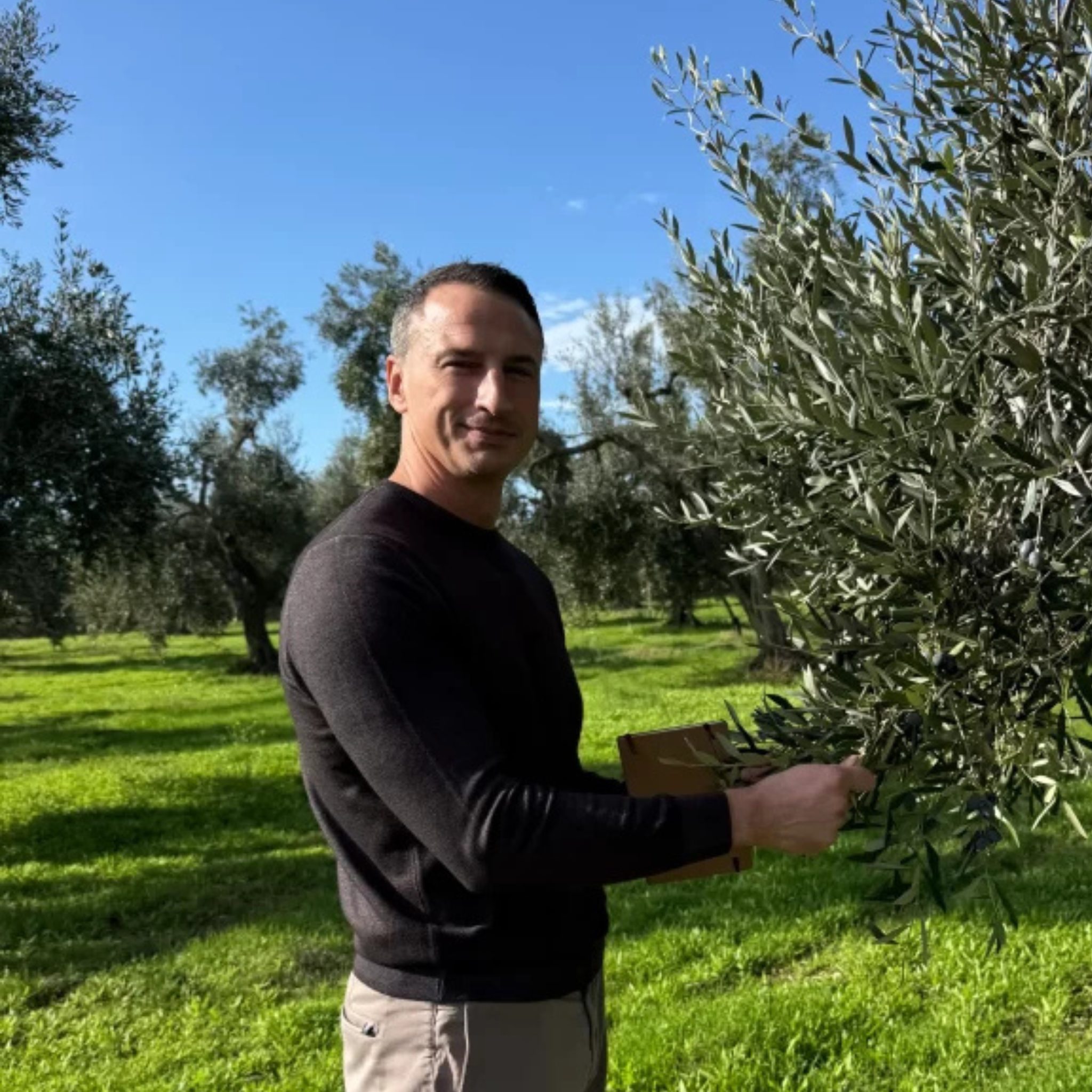
About the authorNick Ednie is the founder and curator of The Olive Library, a personal journey into the world of high-quality extra virgin olive oil. With a deep love of food, Nick travels the Mediterranean to discover and share some of the finest olive oils available. He has also deepened his expertise through study at the prestigious EVOO School. Nick’s mission is to champion heritage, quality and education in every bottle he selects and to bring the stories behind exceptional producers to life. When he’s not tasting and sourcing oils, he writes about flavour, terroir and the art of olive oil appreciation.