



How to Match Intensity, Texture, and Flavour for Better Cooking and Tasting
One of the most common mistakes people make with olive oil is treating it as something neutral — a background fat that simply carries other flavours. We drizzle it on everything, cook with it automatically, and rarely stop to ask whether the oil itself is actually helping the dish.
For a long time, I did the same.
But once you start tasting olive oil on its own, and once you begin to understand how different oils behave in terms of bitterness, pungency, aroma, and structure, it becomes clear that olive oil works best when it’s treated like an ingredient in its own right, not a generic finishing touch.
Just as you wouldn’t pair the same wine with every dish, you shouldn’t expect one olive oil to suit everything either.
Why Olive Oil Pairing Matters
Extra virgin olive oil brings more than fat to a dish.
- Aromatics
- Bitterness
- Pungency
- Mouthfeel
- Length and finish
When an oil is mismatched, it can overpower delicate ingredients or disappear entirely in robust dishes. When it’s well matched, it integrates seamlessly and enhances the overall experience.
Think in Terms of Intensity
The most useful concept in olive oil pairing is intensity.
Instead of memorising rules, start with a simple question: is the dish delicate, medium, or robust?
Once you frame food this way, choosing the right oil becomes much easier.
High-Intensity Oils
High-intensity olive oils are often early harvest and high in polyphenols. They are characterised by pronounced bitterness, peppery pungency, and vivid green aromas.
They work best with dishes that offer richness or strength.
- Bitter greens such as radicchio or chicory
- Legumes and pulses
- Grilled or roasted vegetables
- Red meats, lamb, and game
- Tomato-based dishes
- Aged cheeses
In these contexts, bitterness adds structure and pungency cuts through fat. Used with delicate foods, however, these oils can overwhelm subtle flavours.
Medium-Intensity Oils
Medium-intensity oils offer balance and versatility.
They typically show moderate bitterness and gentle pungency, with enough fruitiness to adapt to a wide range of dishes.
- Grilled poultry
- Roasted vegetables
- Pasta dishes
- Eggs
- Semi-hard cheeses
- Warm salads
If you’re unsure which oil to reach for, a well-made medium-intensity EVOO is often the safest and most flexible choice.
Delicate Oils
Delicate olive oils are typically made from riper fruit or naturally mild cultivars.
They have lower bitterness and pungency, a softer mouthfeel, and gentle aromatics.
- Raw fish and shellfish
- Fresh cheeses such as ricotta or burrata
- Simple salads
- Steamed or lightly cooked vegetables
- Finishing soups and purées
Delicacy should never be confused with age. A delicate oil should still taste fresh and clean.
Texture Matters
Beyond flavour, olive oil has texture.
Some oils feel sharp and linear, others round and coating. This affects how they interact with food.
A structured oil can anchor a dish, while a lighter oil can lift it and keep it feeling fresh.
Raw vs Cooked Applications
High-quality olive oil is not reserved only for raw use.
Extra virgin olive oil is relatively stable thanks to its fatty acid profile and antioxidant content.
That said, pairing still applies.
- Use robust oils for cooking with strong flavours
- Reserve the most aromatic oils for finishing dishes
Cooking integrates flavour, while finishing expresses it.
Building a Purposeful Collection
You don’t need many bottles to pair olive oil well.
A small, intentional selection covers most needs.
- One high-intensity oil for robust dishes
- One medium-intensity oil for everyday cooking
- One delicate oil for subtle, raw applications
Trust Your Taste
Guidelines are useful, but personal preference matters.
Taste your oils on their own and with food. Notice what works and what doesn’t. Over time, your own pairing instincts will develop.
Conclusion
Treating olive oil like an ingredient rather than a condiment changes how you cook.
It brings intention to everyday meals and helps olive oil take its rightful place alongside other carefully chosen ingredients.
Once you start pairing olive oil thoughtfully, it stops being invisible and becomes part of the conversation on the plate.
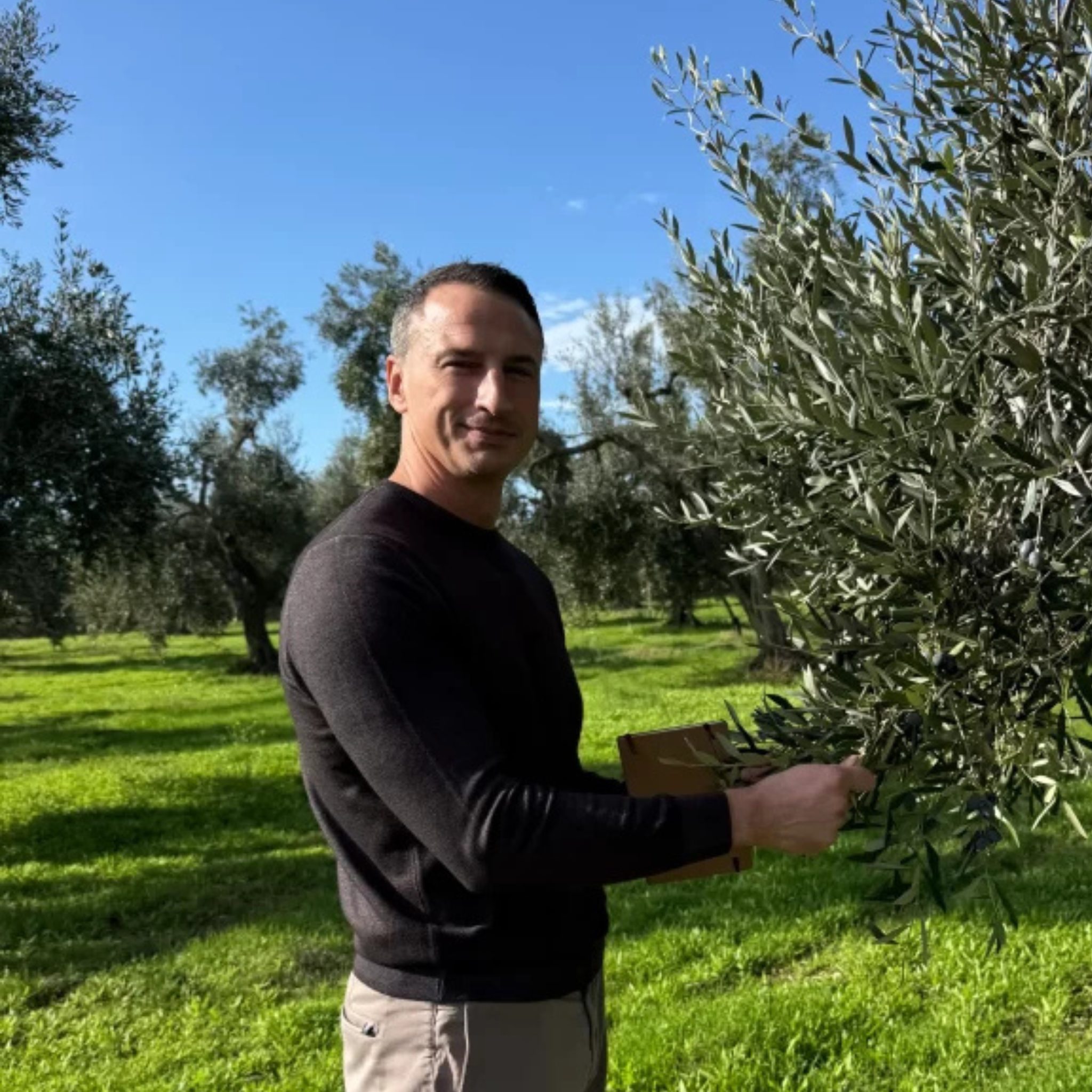
About the authorNick Ednie is the founder and curator of The Olive Library, a personal journey into the world of high-quality extra virgin olive oil. With a deep love of food, Nick travels the Mediterranean to discover and share some of the finest olive oils available. He has also deepened his expertise through study at the prestigious EVOO School. Nick’s mission is to champion heritage, quality and education in every bottle he selects and to bring the stories behind exceptional producers to life. When he’s not tasting and sourcing oils, he writes about flavour, terroir and the art of olive oil appreciation.