



Olive oil has long been celebrated as a cornerstone of Mediterranean culture, yet despite its rich heritage and growing global appreciation, many misconceptions still surround it. For those who value premium quality, understanding the truth behind these myths enhances both appreciation and everyday use.
Below, we explore ten common myths about olive oil and uncover the facts.
Myth 1: Olive oil is not suitable for cooking
A persistent belief is that olive oil should only be used raw. In reality, high-quality extra virgin olive oil is highly stable under heat. Its natural antioxidant content helps protect it during cooking, making it suitable for sautéing, roasting and frying12.
Myth 2: Olive oil has a low smoke point
Extra virgin olive oil typically has a smoke point between 175°C and 240°C depending on its quality and freshness. This range makes it comparable to many commonly used cooking oils, reinforcing its versatility in the kitchen1.
Myth 3: “Light” olive oil is lower in calories
The term “light” refers to flavour and processing, not caloric content. All olive oils contain similar calories per serving. Premium oils, such as those curated by The Olive Library, prioritise authenticity, flavour and provenance over misleading labels1.
Myth 4: Olive oil should only be used for salads
While olive oil excels in dressings, it is equally valuable when used in cooking. Research suggests that cooking vegetables with olive oil can enhance the availability of beneficial compounds, enriching both flavour and nutritional value3.
Myth 5: Olive oil improves with age
Unlike wine, olive oil is best enjoyed fresh. Over time, exposure to air, light and heat can gradually reduce its quality. Premium producers, including those featured by The Olive Library, emphasise freshness as a key indicator of excellence4.
Myth 6: Colour indicates quality
The colour of olive oil varies naturally based on olive variety and harvest timing. It is not a reliable measure of quality. Instead, true quality is defined by factors such as aroma, flavour complexity and careful production methods3.
Myth 7: Taste alone determines quality
While flavour is essential, professional evaluation considers balance, aroma and texture. High-quality olive oils often display a harmonious combination of fruitiness, bitterness and a peppery finish, hallmarks of expertly produced oils.
Myth 8: Heating olive oil creates trans fats
Trans fats are formed through industrial hydrogenation processes, not standard cooking. Heating olive oil under normal culinary conditions does not produce trans fats, making it a safe and reliable cooking choice3.
Myth 9: All olive oils are the same
There is a significant difference between refined olive oils and extra virgin varieties. Extra virgin olive oil retains natural compounds such as polyphenols and antioxidants, offering superior flavour and stability. This distinction lies at the heart of The Olive Library’s commitment to premium sourcing5.
Myth 10: Cloudy olive oil is poor quality
Olive oil that appears cloudy or is not fully filtered may still contain small particles such as olive pulp, water, and natural sediments, which can act as contaminants and potentially reduce the oil’s clarity, stability, and shelf life.
My Thoughts
By dispelling these myths, it becomes clear that olive oil is not only versatile but also a refined and premium ingredient worthy of everyday use. Whether used for cooking or finishing dishes, high-quality extra virgin olive oil enhances both flavour and experience.
At The Olive Library, the focus remains on sourcing exceptional oils that celebrate craftsmanship, origin and freshness. Moving beyond outdated misconceptions allows consumers to fully embrace the richness and elegance of this timeless ingredient.
References
- UC Davis Olive Center – Olive Oil Myths and Facts
https://ucfoodquality.ucdavis.edu/olive-oil/olive-oil-myths-and-facts - Olive Wellness Institute – Myths vs Facts
https://olivewellnessinstitute.org/extra-virgin-olive-oil/myths-vs-facts/ - Olive Wellness Institute – Scientific Evidence on Olive Oil
https://olivewellnessinstitute.org/extra-virgin-olive-oil/myths-vs-facts/ - North American Olive Oil Association – Olive Oil Myths vs Facts
https://www.aboutoliveoil.org/olive-oil-myths-facts - Dr Kara Fitzgerald – Olive Oil Myths & Benefits
https://www.drkarafitzgerald.com/2025/04/09/olive-oil-myths-benefits-dr-artemis-morris/
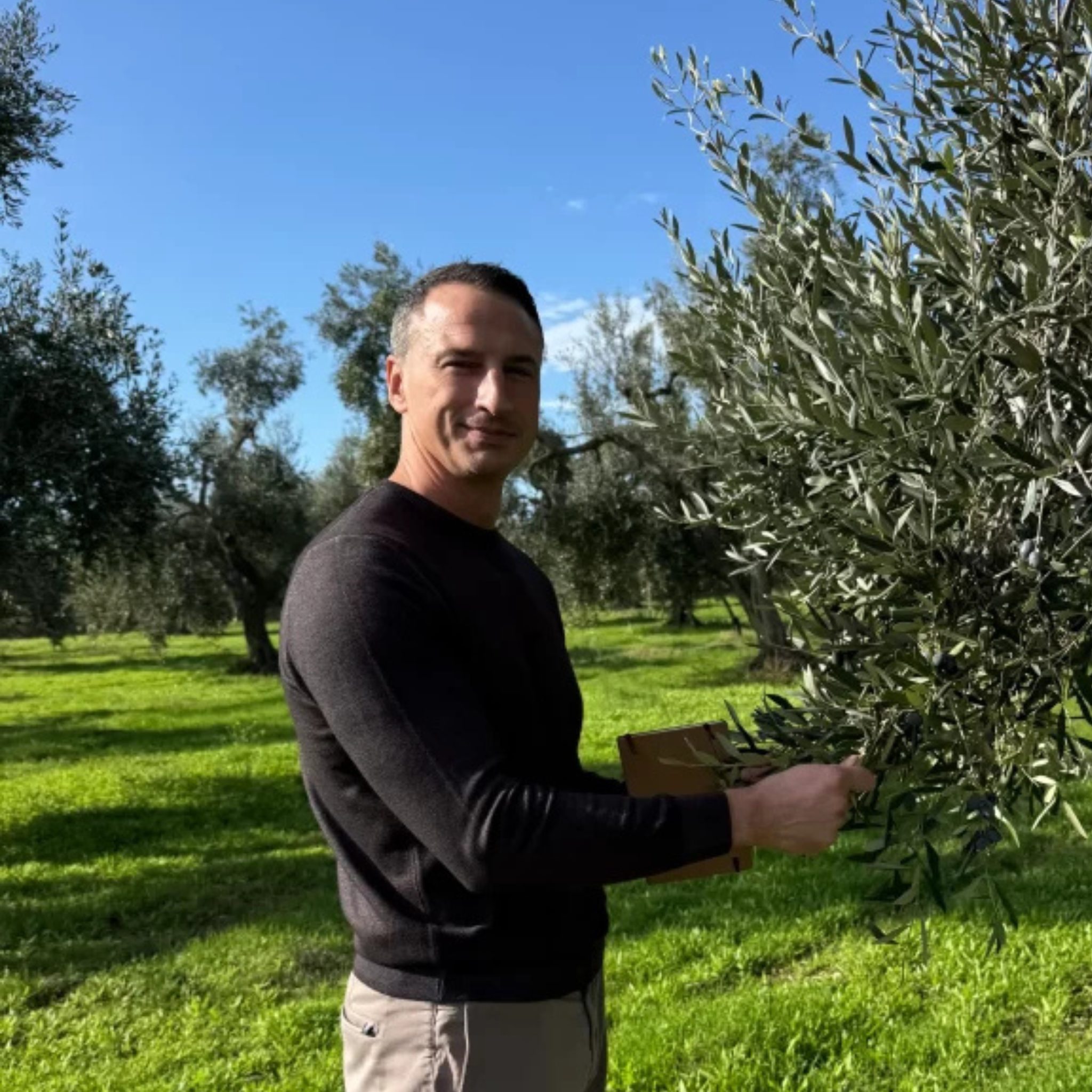
About the authorNick Ednie is the founder and curator of The Olive Library, a personal journey into the world of high-quality extra virgin olive oil. With a deep love of food, Nick travels the Mediterranean to discover and share some of the finest olive oils available. He has also deepened his expertise through study at the prestigious EVOO School. Nick’s mission is to champion heritage, quality and education in every bottle he selects and to bring the stories behind exceptional producers to life. When he’s not tasting and sourcing oils, he writes about flavour, terroir and the art of olive oil appreciation.