


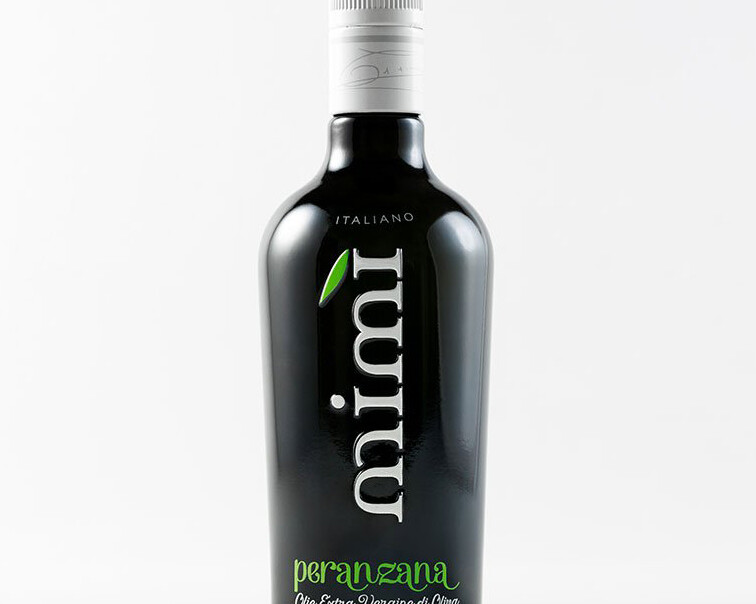
Olive oil is one of the most misunderstood products in the modern kitchen.
Most people treat it like a basic commodity: a cooking fat, a drizzle, something you pick up on autopilot. But the truth is, olive oil is closer to fresh produce than a pantry staple. It is agricultural, seasonal and highly sensitive to time, heat and handling.
Once you understand how olive oil is made, you realise something important: most olive oil sold today is not designed for flavour, health or freshness. It is designed for scale.
Premium olive oil is different. Not because it is expensive, but because it is made for a different purpose.
In this article, we will break down what makes premium extra virgin olive oil worth the price and why the difference is far bigger than most people think.
What makes olive oil “premium”?
Premium olive oil is not defined by branding or packaging. It is defined by the process.
High-quality extra virgin olive oil comes from a small set of non-negotiable conditions:
- olives harvested at peak freshness
- careful picking to avoid bruising
- fast pressing after harvest
- clean milling and temperature control
- correct storage away from heat, light and oxygen
- traceable provenance (you know where it comes from)
Each of these factors affects flavour, stability and nutritional value.
The simplest way to describe premium olive oil is this:
It is oil that still tastes like olives.
The harvest is where quality begins
The biggest difference between premium and mass-market olive oil is harvest timing.
Many high-quality producers harvest early, while the olives are still green. This results in:
- lower yield (fewer litres of oil per kilo of olives)
- stronger flavour
- higher antioxidant levels
- more bitterness and pepperiness (positive signs)
In contrast, large-scale production often harvests later. This produces more oil but reduces intensity, complexity and polyphenols.
This is why premium olive oil often tastes bolder and more structured.
It is also why it costs more. Early harvest oils are simply more expensive to produce because the producer is sacrificing yield for quality.
Pressing speed matters more than most people realise
Olives are fragile. Once they are picked, they begin to oxidise and ferment.
If olives sit too long before pressing, the flavour degrades quickly. This is one of the reasons many supermarket oils taste neutral or flat.
Premium producers aim to press olives quickly, often within a few hours of harvesting.
This helps preserve:
- aroma compounds (fresh grassy or tomato notes)
- polyphenols
- freshness and stability
A premium oil tastes vibrant because it has not had time to deteriorate before extraction.
The biggest giveaway is flavour
One of the best things about olive oil is that it tells you its quality instantly. You do not need to be an expert.
Premium extra virgin olive oil often has:
- green fruitiness
- bitterness
- a peppery kick in the throat
- herbal notes like rocket, artichoke or tomato leaf
Many people assume bitterness is bad. In reality, bitterness is often linked to polyphenol content and freshness.
The peppery sensation is also a positive sign. It is often caused by compounds such as oleocanthal, associated with anti-inflammatory properties.
If olive oil tastes greasy, stale or like nothing at all, it is usually old, poorly stored or over-processed.
Premium olive oil is healthier, but that is not the full story
Extra virgin olive oil is widely associated with heart health and longevity. It is one of the key pillars of the Mediterranean diet.
The health advantage comes from two main elements:
1. Healthy fats
Olive oil is rich in monounsaturated fats, which are linked to improved cholesterol profiles.
2. Polyphenols
Polyphenols are antioxidants that help protect the body from oxidative stress. Higher-polyphenol oils are often linked to stronger anti-inflammatory benefits.
But here is the key point many people miss:
Polyphenols decrease with time.
This means freshness matters. A premium oil that was harvested recently will often offer far more nutritional value than an oil that has been stored for months or years.
The real value is how it changes your food
Premium olive oil is not just about health or luxury. It is about flavour impact.
A good oil can transform the simplest dish:
- vegetables become sweeter
- bread becomes a tasting experience
- pasta becomes richer
- salads become more aromatic
- grilled fish becomes cleaner and more balanced
It behaves more like a seasoning than a cooking fat.
This is why chefs obsess over olive oil. They do not use it as a default ingredient. They use it as a finishing touch, chosen intentionally.
Why premium olive oil costs more
Premium olive oil is expensive for the same reason premium wine is expensive.
It is tied to land, climate, harvest and human labour.
Costs increase because of:
- early harvesting with lower yield
- selective picking and sorting
- small batch pressing
- strict temperature control
- careful storage
- traceability and provenance
Mass-market oil is built for volume and consistency. Premium oil is built for character.
Thought leadership insight:
The UK market is shifting. Consumers are increasingly willing to pay for traceability and quality, especially in food products linked to health. Olive oil is becoming one of the next categories where provenance will matter, in the same way it already matters for wine, coffee and chocolate.
How to get the most value from premium olive oil
If you are buying premium olive oil, use it where it shines.
Best ways to use it:
- drizzle over salads
- finish soups
- dip with bread
- add to roasted vegetables after cooking
- finish pasta or grilled meat
- pair different oils with different dishes
You will often use less, because the flavour is stronger.
Final thought
Premium olive oil is not about spending more for the sake of it.
It is about choosing a product that has been treated with care at every stage, from harvest to bottle. The reward is better flavour, better nutrition and a product that elevates everyday cooking.
Once you experience truly fresh olive oil, it becomes hard to go back.
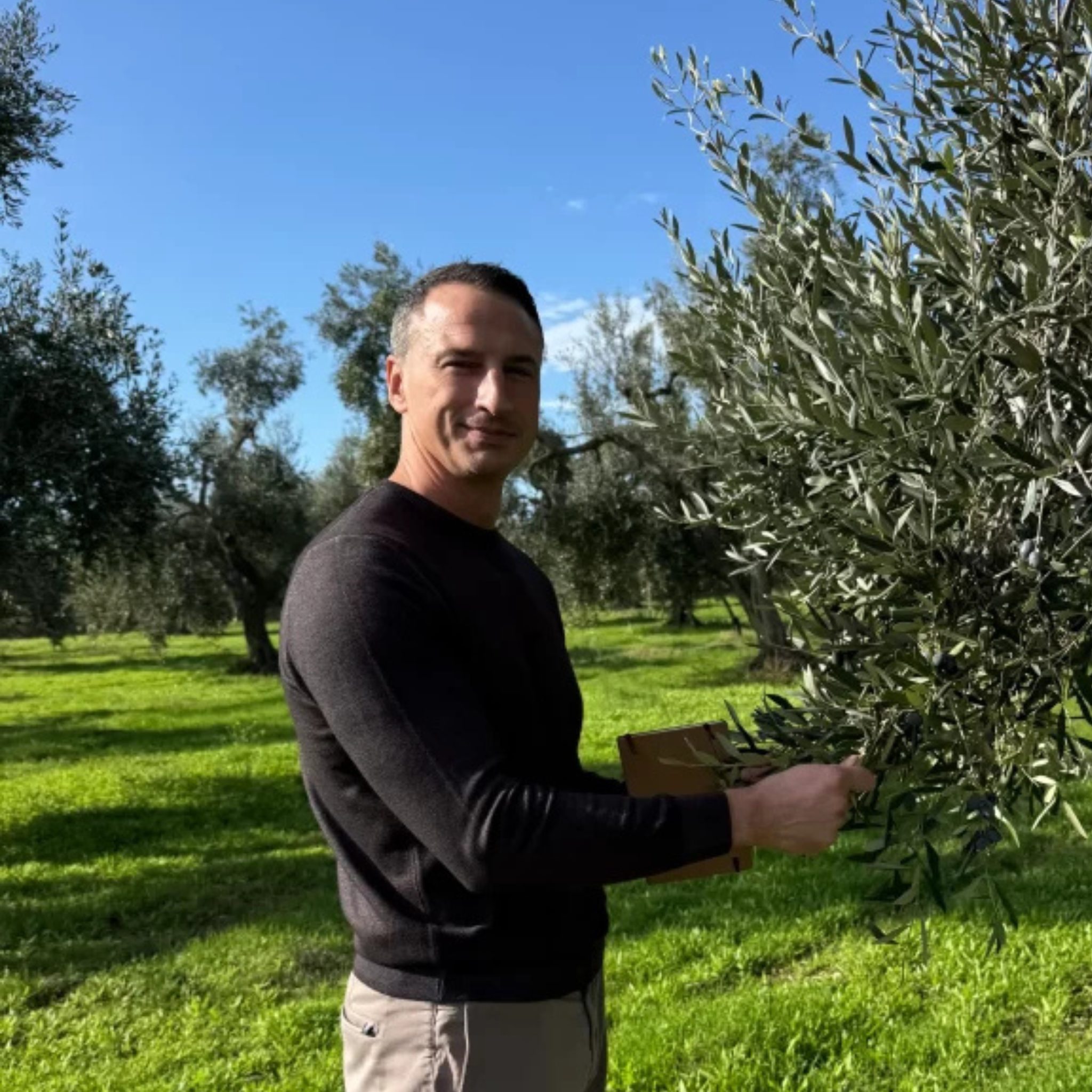
About the author
Nick Ednie is the founder and curator of The Olive Library, a personal journey into the world of high-quality extra virgin olive oil. With a deep love of food, Nick travels the Mediterranean to discover and share some of the finest olive oils available. He has also deepened his expertise through study at the prestigious EVOO School. Nick’s mission is to champion heritage, quality and education in every bottle he selects and to bring the stories behind exceptional producers to life. When he’s not tasting and sourcing oils, he writes about flavour, terroir and the art of olive oil appreciation.