



Olive oil is no longer just a kitchen staple, it is a symbol of quality, craftsmanship and culinary identity. Yet when standing in the aisle, the difference between a supermarket bottle and a premium olive oil is not always immediately clear. Understanding these distinctions is essential for those seeking exceptional flavour, provenance and quality.
Below, we break down the real differences between supermarket olive oil and premium olive oil, helping you make a more informed and elevated choice.
Production Method: Refined vs First Extraction
One of the most defining differences lies in how the oil is produced. Premium extra virgin olive oil is made from the first cold extraction of fresh olives, without heat or chemicals, preserving its natural character and nutrients1.
In contrast, many standard supermarket oils may include refined or blended oils. These undergo processing to remove defects, resulting in a more neutral product designed for consistency rather than expression2.
Quality Standards and Purity
Premium olive oils must meet strict standards. For example, extra virgin olive oil must have an acidity level below 0.8% and pass sensory tests for flavour and aroma1.
Supermarket oils can still meet these standards, but they are often produced at scale, where consistency and shelf life take priority. Premium oils, such as those curated by The Olive Library, are typically crafted in smaller batches with a focus on purity and excellence.
Flavour Complexity
Flavour is where the difference becomes immediately noticeable. Supermarket olive oils are often blended from multiple regions, resulting in a mild and uniform taste.
Premium olive oils, by contrast, are frequently sourced from specific regions or estates, offering distinctive flavour profiles. These oils can display layered notes, from fresh grass and herbs to peppery finishes3.
Freshness and Harvesting
Freshness is a hallmark of premium olive oil. High-quality producers prioritise early harvest olives and rapid pressing to preserve flavour and nutritional value.
Supermarket oils, due to large-scale distribution, may spend longer in storage and transit before reaching shelves. Freshness directly impacts taste, aroma and overall experience, making it a key differentiator.
Nutritional Value and Polyphenols
Premium extra virgin olive oil typically contains higher levels of polyphenols, powerful antioxidants linked to health benefits4. A 2025 study found that higher intake of extra virgin olive oil was associated with reduced cardiovascular risk, partly due to these compounds4.
Processing and refining can reduce these naturally occurring components, meaning not all olive oils deliver the same nutritional profile.
Transparency and Traceability
Premium olive oils often emphasise transparency. Details such as harvest date, olive variety and region of origin are clearly labelled.
In contrast, supermarket oils may list multiple countries of origin or simply “EU blend,” making it harder to trace the oil back to a specific source. According to consumer testing, oils from named regions tend to have more distinctive and refined flavour characteristics3.
Craftsmanship vs Scale
Premium olive oil production is typically rooted in tradition. From hand-harvesting olives to careful pressing, craftsmanship plays a central role.
Supermarket oils are produced on a much larger scale, prioritising efficiency and accessibility. While this ensures availability, it often results in a more standardised product.
Price Reflects Process
The price difference between supermarket and premium olive oil is not arbitrary. Producing high-quality olive oil requires significant labour, lower yields and careful handling. It can take around 10 pounds of olives to produce just one litre of oil[^18].
Premium oils reflect this attention to detail, while supermarket oils are designed to meet a broader price range.
Sensory Experience
Premium olive oil is not just an ingredient, it is an experience. From aroma to texture, it offers a sensory journey that enhances dishes.
Supermarket oils tend to be milder, making them suitable for everyday use but often lacking the depth and complexity found in premium selections3.
Purpose and Use
Both supermarket and premium olive oils have their place in the kitchen. However, premium olive oils are often chosen for finishing dishes, dipping and enhancing flavours where quality truly shines.
At The Olive Library, the emphasis is on oils that elevate cooking into an experience, celebrating origin, seasonality and craftsmanship.
My Thoughts
The real difference between supermarket olive oil and premium olive oil lies in quality, provenance, flavour and care in production. While supermarket oils offer accessibility and convenience, premium olive oils represent a deeper connection to tradition, terroir and taste.
For those seeking more than just an everyday ingredient, premium olive oil offers a refined, expressive and truly elevated culinary experience. By understanding these differences, you can choose oils that align with both your palate and your appreciation for quality.
References
- The Herb Prof – Olive oil vs extra virgin olive oil
https://theherbprof.com/olive-oil-vs-extra-virgin-olive-oil-key-differences/ - Learn Olive Oil – Processing differences
https://learnoliveoil.com/2025/11/01/difference-between-pure-and-extra-virgin-olive-oil/ - Which? – Is it worth paying more for big-brand olive oil?
https://www.which.co.uk/news/article/is-it-worth-paying-more-for-big-brand-olive-oil-apSiJ6S9P81z - Harvard Health – Extra virgin olive oil benefits
https://www.health.harvard.edu/heart-health/extra-virgin-olive-oil-may-be-healthier-than-regular-olive-oil
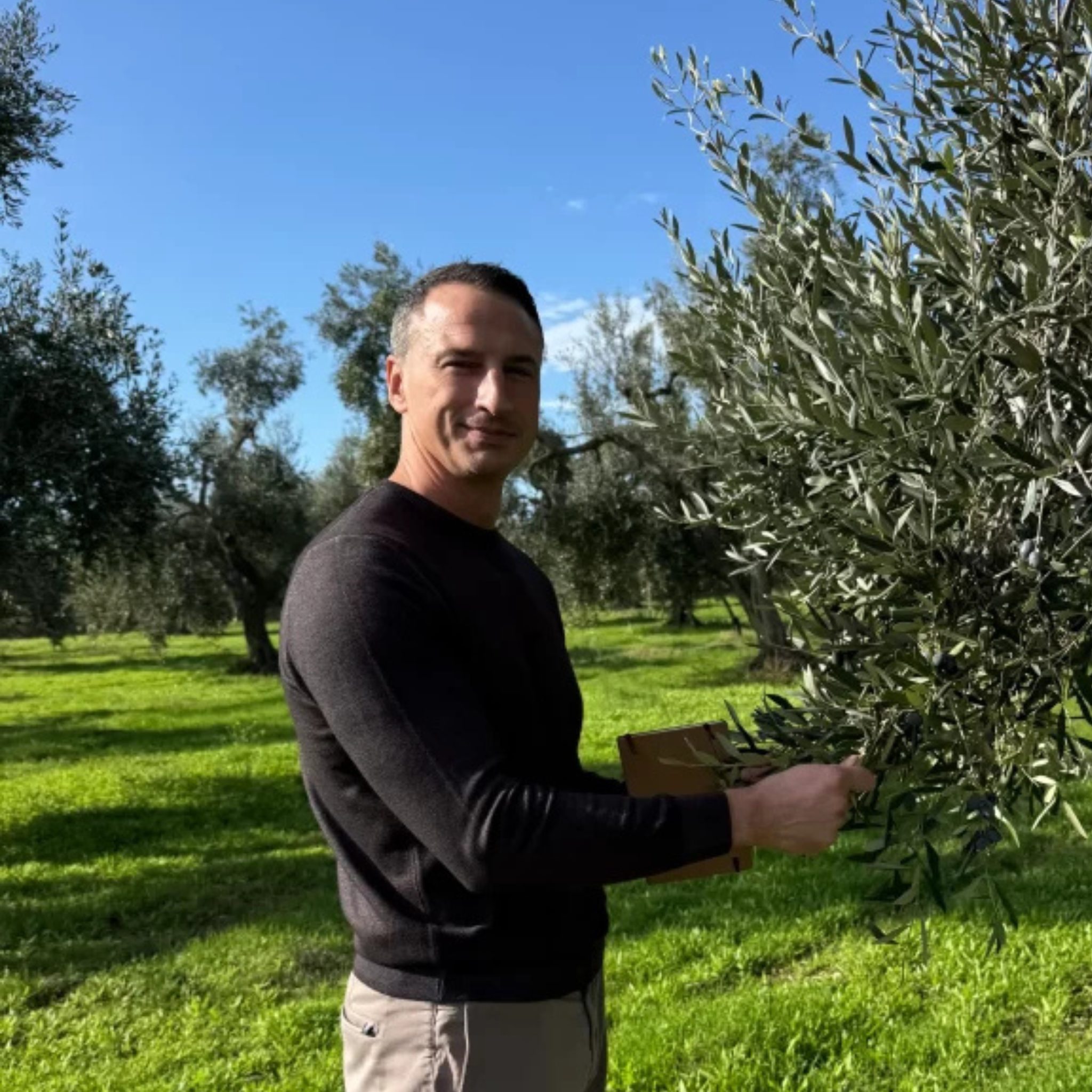
About the authorNick Ednie is the founder and curator of The Olive Library, a personal journey into the world of high-quality extra virgin olive oil. With a deep love of food, Nick travels the Mediterranean to discover and share some of the finest olive oils available. He has also deepened his expertise through study at the prestigious EVOO School. Nick’s mission is to champion heritage, quality and education in every bottle he selects and to bring the stories behind exceptional producers to life. When he’s not tasting and sourcing oils, he writes about flavour, terroir and the art of olive oil appreciation.