



Choosing a good olive oil can feel overwhelming. With countless labels, regions and terms like “extra virgin” or “cold pressed”, it is easy to overcomplicate what should be a simple and enjoyable decision. The truth is, selecting a high-quality olive oil does not require expert knowledge, just a few key principles.
Here is a straightforward guide to help you choose a great olive oil with confidence, without overthinking it.
Start with “Extra Virgin”
The simplest and most important rule is to look for extra virgin olive oil (EVOO). This is the highest grade, made from fresh olives without chemical processing and with strict quality standards1.
Extra virgin olive oil retains natural antioxidants, flavour compounds and aroma, making it the best choice for both taste and quality.
Check the Harvest Date
Freshness matters. Unlike wine, olive oil does not improve with age. A recent harvest date is a strong indicator of quality, as it means the oil will have more vibrant flavour and higher levels of beneficial compounds2.
As a general guide, aim to use olive oil within 12 to 18 months of harvest.
Look for Origin Transparency
Good olive oil tells a story. Look for bottles that clearly state the country, region or even estate of origin.
Premium producers, such as those featured by The Olive Library, often highlight provenance because it reflects authenticity and craftsmanship. Avoid vague labels like “blend of EU oils” if you are seeking a more distinctive product3.
Choose the Right Packaging
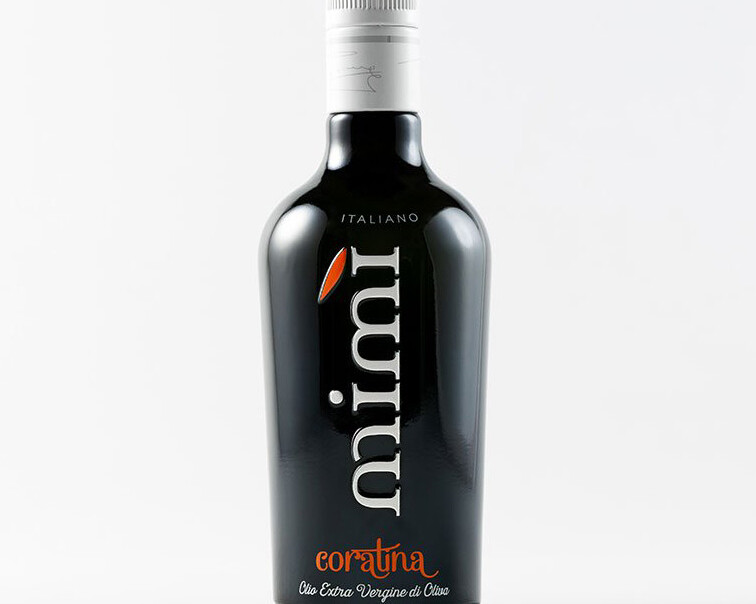
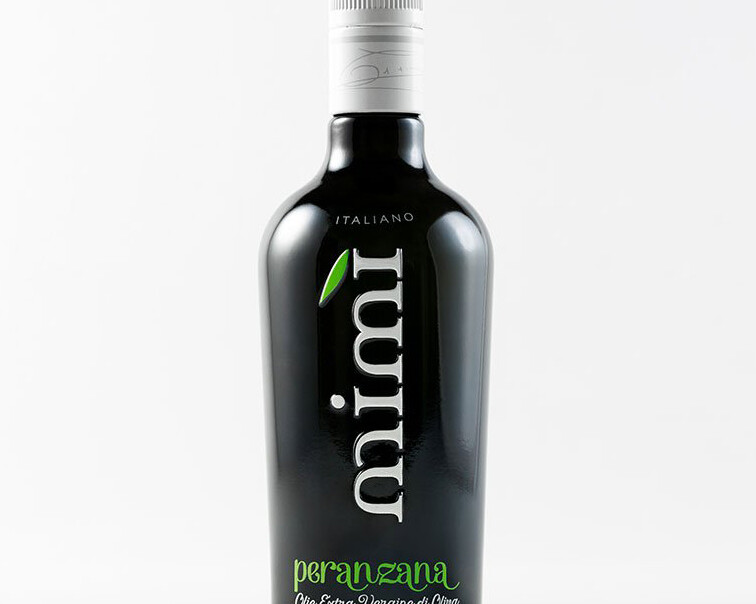
Light and heat can affect olive oil quality over time. High-quality olive oil is typically stored in dark glass bottles or tins to protect it from light exposure2.
Clear bottles may look appealing, but darker packaging is a practical sign of careful production and storage.
Trust Your Taste
At the end of the day, olive oil should taste good to you. High-quality olive oil often has a balance of fruitiness, slight bitterness and a peppery finish. These are positive characteristics that indicate freshness and natural compounds4.
If an oil tastes flat or overly neutral, it may lack the complexity found in premium varieties.
Don’t Be Misled by Colour
It is easy to assume that greener oil is better, but colour varies depending on olive variety and harvest timing. Both golden and green oils can be high quality.
Focus on flavour and freshness rather than appearance4.
Understand Price as a Guide
While price is not the only indicator of quality, extremely low-cost olive oil may reflect large-scale production and blending.
Producing high-quality olive oil requires significant care, from harvesting to pressing. Premium oils reflect this craftsmanship, which is why they are often positioned differently in the market5.
Look for Certifications or Quality Seals
Certifications such as PDO (Protected Designation of Origin) or PGI (Protected Geographical Indication) can provide reassurance about authenticity and origin.
These labels indicate that the oil meets specific regional and production standards3.
Buy in Smaller Quantities
To enjoy olive oil at its best, it is often better to buy smaller bottles and use them while fresh. This ensures you experience the oil at its peak flavour rather than after prolonged storage.
This approach aligns with the philosophy at The Olive Library, where freshness and seasonal quality are prioritised.
Keep It Simple
Perhaps the most important advice is this: do not overthink it. If the oil is extra virgin, fresh, well-packaged and tastes good, you are already making a great choice.
Olive oil is meant to be enjoyed, not overanalysed.
My Thoughts
Choosing a good olive oil does not require memorising technical details or becoming an expert. By focusing on a few simple factors, such as extra virgin quality, freshness, origin and taste, you can confidently select an oil that enhances your cooking and elevates your everyday meals.
At The Olive Library, the focus is on curating oils that meet these principles effortlessly, allowing you to enjoy premium quality without complexity. The result is a collection that celebrates flavour, provenance and simplicity in every bottle.
References
- UC Davis Olive Center – Olive Oil Grades and Standards
https://ucfoodquality.ucdavis.edu/olive-oil/grades-and-standards - North American Olive Oil Association – How to Select and Store Olive Oil
https://www.aboutoliveoil.org/how-to-select-store-olive-oil - European Commission – Olive Oil Labelling and Standards
https://agriculture.ec.europa.eu/farming/crop-productions-and-plant-based-products/olive-oil_en - Olive Wellness Institute – How to Taste Olive Oil
https://olivewellnessinstitute.org/extra-virgin-olive-oil/how-to-taste-olive-oil/ - Investopedia – Why Olive Oil Costs More
https://www.investopedia.com/why-olive-oil-costs-so-much-11899062
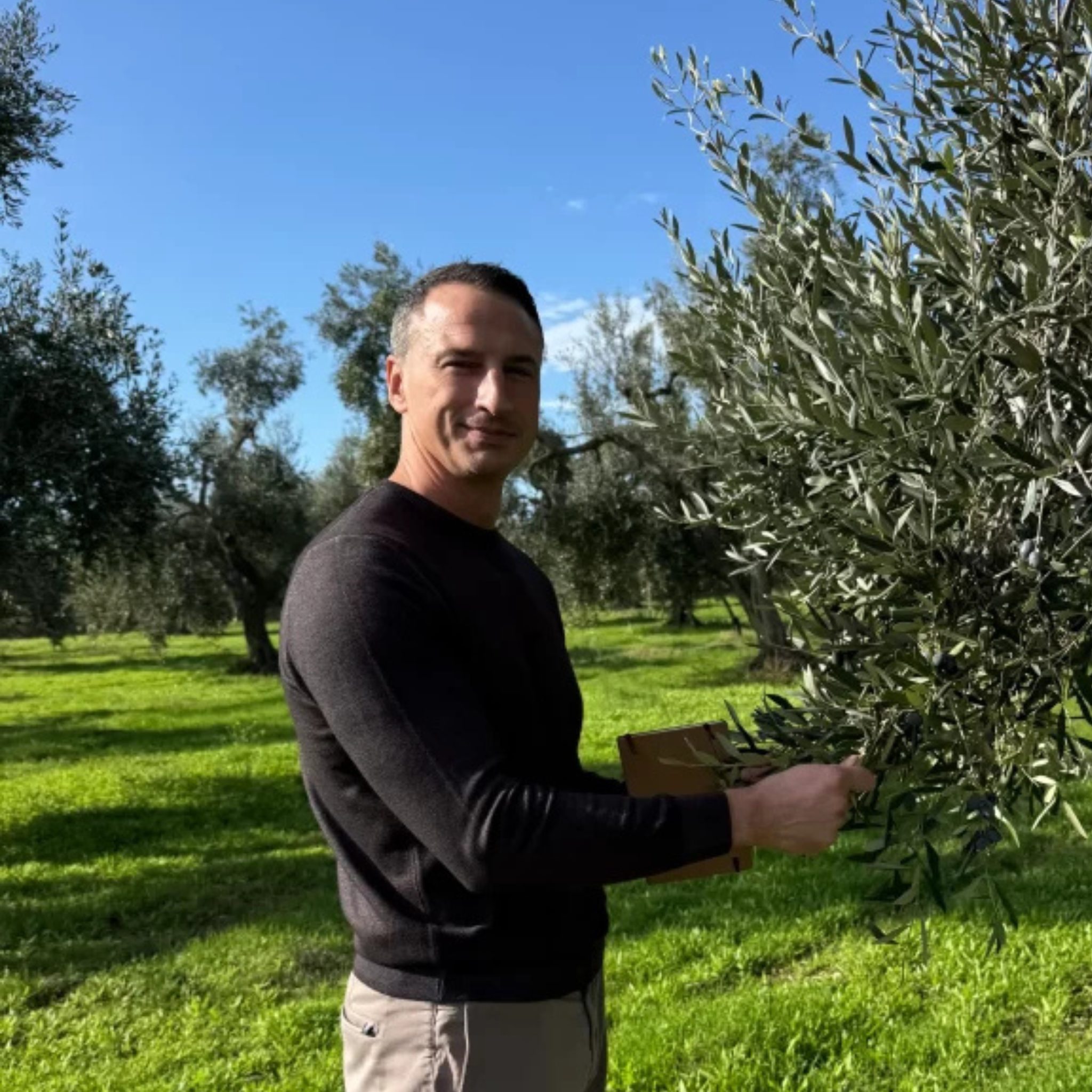
About the authorNick Ednie is the founder and curator of The Olive Library, a personal journey into the world of high-quality extra virgin olive oil. With a deep love of food, Nick travels the Mediterranean to discover and share some of the finest olive oils available. He has also deepened his expertise through study at the prestigious EVOO School. Nick’s mission is to champion heritage, quality and education in every bottle he selects and to bring the stories behind exceptional producers to life. When he’s not tasting and sourcing oils, he writes about flavour, terroir and the art of olive oil appreciation.