



Understand The Benefits, Taste & Pairings of Olive Oil’s Most Important Component
Most people don’t pay that much attention to the taste of olive oil on its own. We’re used to cooking with it or mixing it in with other ingredients. But next time you’re opening your bottle of Extra-Virgin Olive Oil, do me a favour and try a little taste first. What does it taste like to you? Is it peppery? Does it even sting a little in the throat? That taste and sensation is caused by polyphenols, which are natural antioxidants unique to high-quality Extra Virgin Olive Oils (EVOOs) and which many studies have shown to be key to unlocking olive oil’s incredible health benefits.
Polyphenols are a little-known but incredibly important component of olive oil that determine its flavour, freshness and health benefits. Understanding what they are, why they’re important for your health and how higher-polyphenol olive oils should be paired with food, will ensure you get the most from your olive oil.
I’ve written this article to give you a good overview of everything you need to know about polyphenols and why they’re an important consideration when purchasing olive oil.
The Science Behind Polyphenols
Polyphenols are what we call bioactive plant compounds that have incredible antioxidant and anti-inflammatory properties. There are four types found in extra virgin olive oils: oleocanthal, oleacein, hydroxytyrosol & tyrosol, and oleuropein & ligstroside aglycones.
Oleocanthal is responsible for that peppery taste you get in high quality olive oils, as well as the anti-inflammatory properties, while oleacein gives olive oil its bitterness and antioxidant properties.
Olives produce their polyphenols as a defensive mechanism against things like UV exposure, pests and environmental stress, almost like an immune response in a human body. The levels and ratios of these compounds in your olive oil can vary quite significantly depending on olive varietal, terroir and manufacturing processes.
The Health Benefits of High-Polyphenol EVOO
The benefits of polyphenols for health and wellbeing are still being studied, however there has already been an immense amount of promising research to show its benefits. Here are a few of the potential health benefits from high-polyphenol extra virgin olive oils:
- Antioxidant activity: Polyphenols in extra virgin olive oil act as antioxidants, meaning they help protect the oil itself from oxidation and contribute to its stability and freshness. Scientific studies have also explored how dietary antioxidants may support the body’s natural defences against oxidative stress. While research is ongoing, EVOO is widely recognised—particularly in the Mediterranean diet—as a source of these naturally occurring compounds.
- Anti-inflammatory effects: One of the most studied polyphenols, oleocanthal, has been shown in laboratory environments to interact with some of the same pathways targeted by common anti-inflammatory compounds. This does not mean olive oil functions as a medication, but it does suggest a biological basis for the peppery “throat sting” associated with high-quality oils.
- Cardiovascular & metabolic benefits: Large nutritional studies—such as the PREDIMED trial—have examined extra virgin olive oil within the broader context of a Mediterranean dietary pattern. These studies found associations between EVOO consumption and improved cardiovascular outcomes when part of an overall balanced diet, though such findings cannot be attributed to olive oil alone. What the research does suggest is that EVOO’s combination of monounsaturated fats and naturally occurring polyphenols may contribute to the diet’s observed benefits.
- Cognitive & Neuroprotective potential: Emerging research is exploring how polyphenol-rich foods, including EVOO, may interact with biological processes related to ageing and cognitive function. Early studies point to potential antioxidant and anti-inflammatory pathways of interest, but this area of science is still developing and findings are not conclusive. It is safe to say that EVOO forms part of dietary patterns traditionally associated with long-term health in Mediterranean populations.
- Why concentration matters: Polyphenol levels naturally decline over time as the oil oxidises, which is why freshness is an important quality indicator. Oils made from early-harvest fruit and processed quickly tend to retain more of their original phenolic content, which supports both flavour intensity and chemical stability. Choosing a recent harvest ensures you experience the oil as the producer intended—vibrant, aromatic, and full of character.
Why High-Polyphenol Olive Oils Taste Different
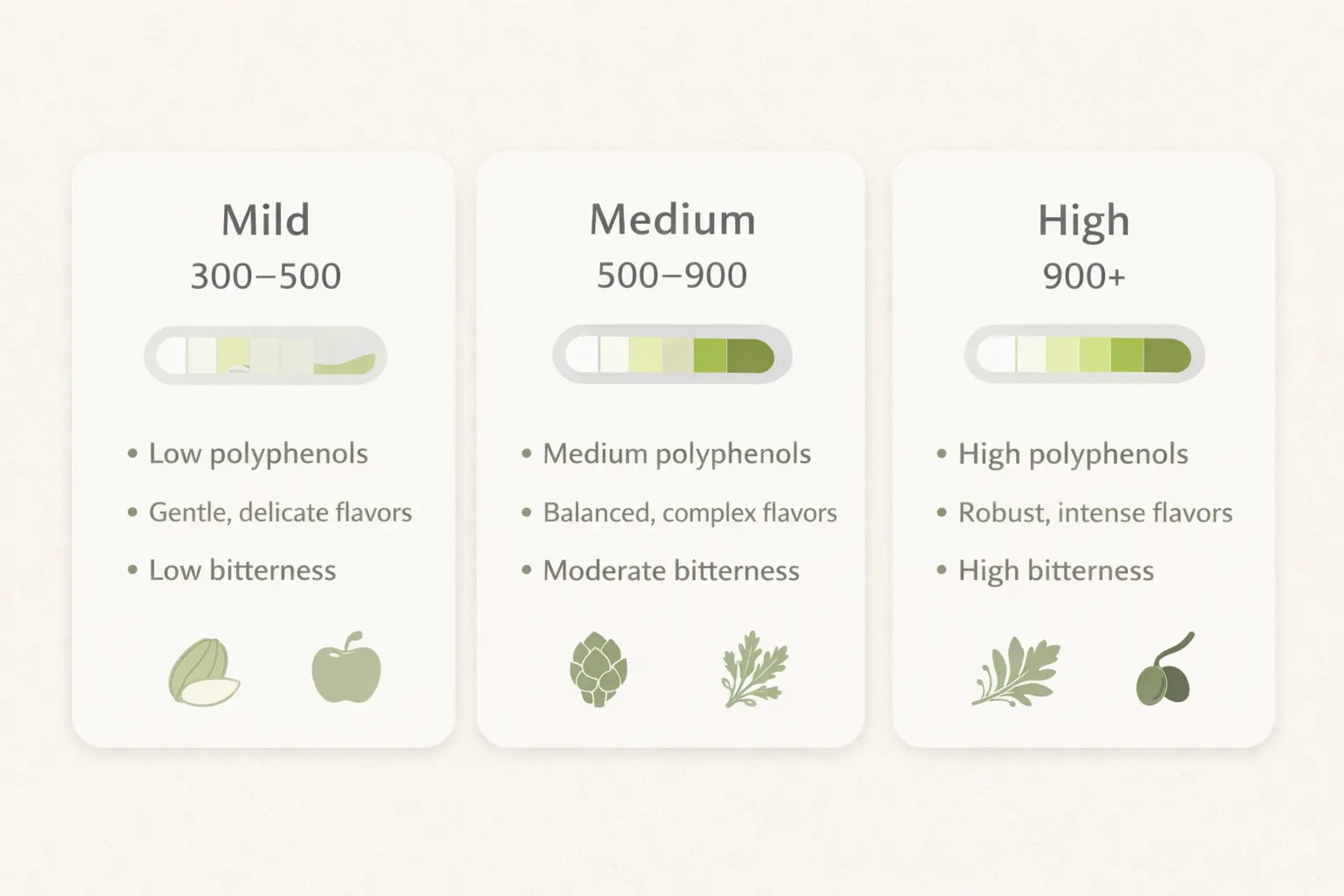
It’s a common misconception about olive oils that bitterness or a peppery kick are not good qualities. Quite the opposite in fact. It is precisely the levels of oleuropein and oleocanthal polyphenols in olive oil that leads to those flavour notes, whereas a low polyphenol olive oil tends to have a soft, buttery, mild flavour. Freshness is also a key factor as olive oils lose their polyphenol levels overtime.
It’s important to note that a high-polyphenol EVOO is not always what you should be aiming to buy. While high-level olive oils will offer the most in terms of health benefits, they don’t pair as well with certain foods and can overpower a dish if you’re not careful. I’d still recommend having a few milder olive oils around for different circumstances.
Food Pairings for High-Polyphenol Olive Oils
For a quick guide to finding the right olive oil for a specific meal or ingredient, I’d recommend checking out this page or reading my Beginner’s Guide to Olive Oil Pairings. But for high-polyphenol olive oils, here are a few pointers about what foods pair well with it and which ones are less well suited.
Ideal Pairings
High-polyphenol olive oils tend to go well with other strong or rich flavours where they’ll really pop without being overpowering. I particularly enjoy using it in salads, with bitter greens like radicchio and cavolo nero, or with tomatoes that are either raw or cooked.
For heavier dishes with lentils or beans, as well as grilled meats such as lamb, high-polyphenol olive oils will nicely counterbalance the fats and protein-rich ingredients. Or, if you’re putting together a charcuterie board, these olive oils pair wonderfully with aged cheese.
Pairings to Avoid
It’s important to remember that your personal taste is more important than anyone else’s advice when it comes to pairings. As you become more comfortable matching olive oils to foods, you’ll form your own preferences about what you think works well together. But for my own tastes, I tend to prefer a milder olive oil with lower polyphenol levels for delicate fishes, mild cheeses and subtler dishes where a stronger olive oil risks overpowering it.
Why Modern Production Yields Higher Polyphenol Levels
Despite how ancient the practice of making olive oil is, modern technology is sparking a bit of a renaissance in how it is manufactured, which has helped producers to unlock many of the health benefits of polyphenols that were otherwise less potent.
Higher polyphenol olive oils in general are harvested earlier in the season, which has the tradeoff of a lower overall yield (which is why most cheap, mass-produced olive oil has far lower levels). However, this lower yield can be offset thanks to advances in milling to reduce oxidisation and precision agriculture that better manages irrigation, canopy growth and increases the overall health of the soil.
Many farmers are also experimenting with heritage and high-phenolic varietals of olives that were often disregarded before, but which can yield far higher levels of polyphenols. As technology and manufacturing processes continue to develop, who knows what new developments we may see in the world of extra virgin olive oils.
Choosing a High-Polyphenol Olive Oils
The information provided on olive oil bottles can vary quite a bit, so it’s hard to always know what to look for when buying high-polyphenol olive oil. But a good rule of thumb I use is to look for a recent harvest date. Some specialist or premium manufacturers will include information about polyphenol content, but you can also look for tasting notes that include the characteristic bitterness and peppery taste.
What you should avoid in these cases are clear bottles (sunlight can cause a rapid loss of polyphenol levels), old harvest dates (more than a year from purchase date) or olive oil that has a lighter colour.
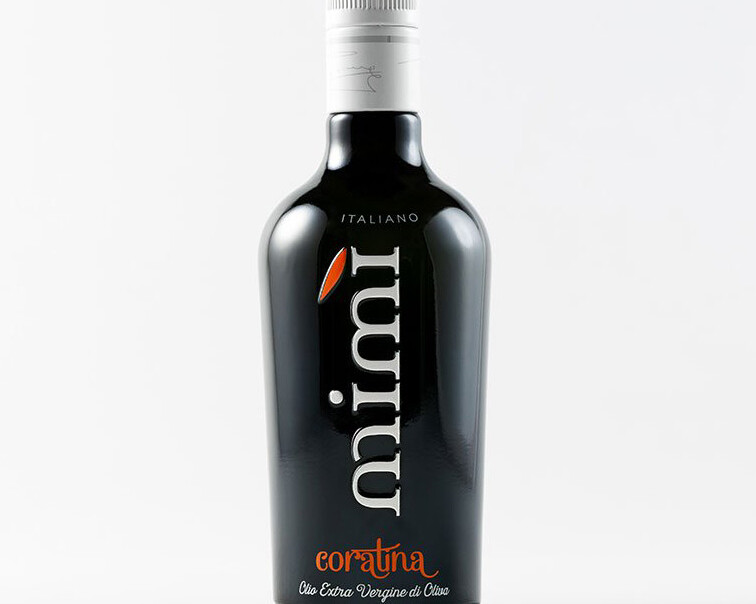
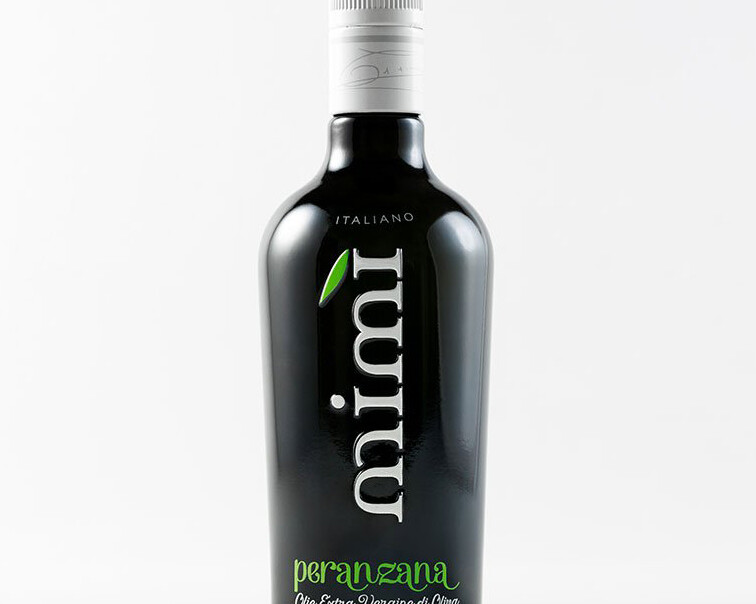
From my stock, these are a few high-polyphenol olive oils I’d recommend you try:
Conclusion
While there’s still a lot to be understood about polyphenols and their impact on our health and wellbeing, the existing science has shown it to be an incredibly important component in unlocking the full health benefits of olive oil.
As olive oil farming and manufacturing techniques continue to innovate, we’re seeing far more varieties of olive oil becoming available, many of which offer far higher levels of polyphenols than were previously thought possible.
While high-polyphenol olive oils do not always pair well with certain foods, for richer or spicier dishes, it can add an incredibly unique flavour element that can transform a good dish into a great one.
Since learning about high-polyphenol olive oils, I personally have come to love that sharpness you get in these varieties, and have made a point of curating a selection of some of my favourites, available here.
Further Reading
- Covas (2007), Pharmacol Res — bioactive effects of EVOO phenolics.
- Parkinson & Cicerale (2016), Nutrients.
- EFSA health claim: ≥5 mg hydroxytyrosol per 20 g EVOO protects LDL.
About the author
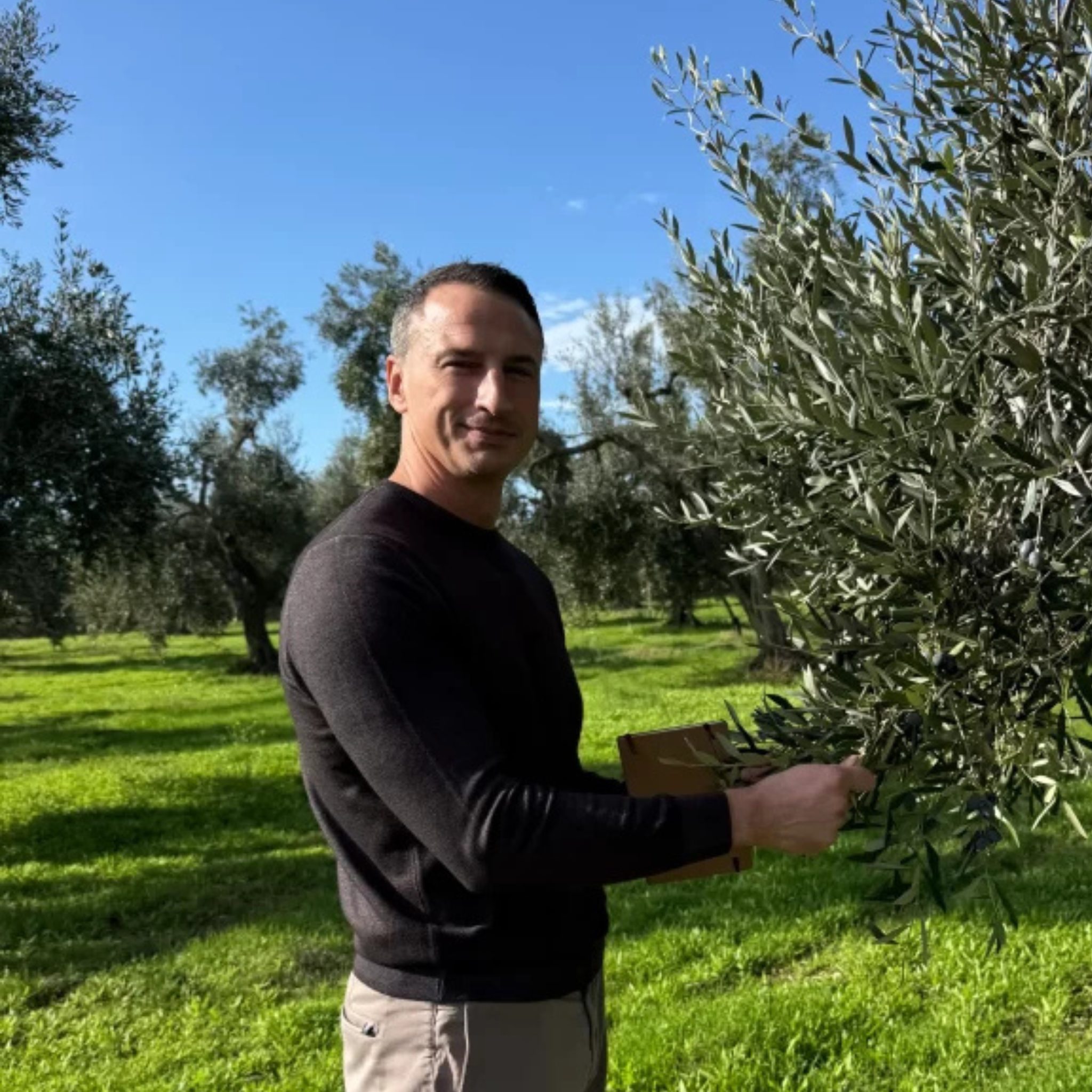
Nick Ednie is the founder and curator of The Olive Library, a personal journey into the world of high-quality extra virgin olive oil. With a deep love of food, Nick travels the Mediterranean to discover and share some of the finest olive oils available. He has also deepened his expertise through study at the prestigious EVOO School. Nick’s mission is to champion heritage, quality and education in every bottle he selects and to bring the stories behind exceptional producers to life. When he’s not tasting and sourcing oils, he writes about flavour, terroir and the art of olive oil appreciation.