


Why Geography, Climate, and Soil Matter as Much as the Olive Itself
When people first start exploring high-quality olive oil, the focus almost always falls on the olive varietal. And rightly so — cultivar plays a huge role in determining flavour, intensity, and aromatic profile. But as I’ve travelled more widely through Italy and tasted oils in context, one thing has become increasingly clear: varietal alone never tells the full story.
Two oils made from the same olive can taste radically different.
That difference is terroir.
The word is borrowed from wine, of course, but it applies just as meaningfully to olive oil. Terroir is the sum of environmental factors that shape how a plant grows and expresses itself: climate, altitude, soil, exposure, rainfall, and even local agricultural traditions.
In olive oil, terroir doesn’t override the varietal — it interacts with it, amplifying certain traits and muting others. Understanding terroir is one of the most powerful ways to make sense of why olive oils taste the way they do.
What “Terroir” Really Means in Olive Oil
In simple terms, terroir is geography you can taste.
- Climate: average temperatures, seasonal swings, and sunlight
- Altitude: which affects ripening speed and aromatic development
- Soil composition: limestone, clay, volcanic ash, sand
- Water availability: rainfall patterns and irrigation practices
- Exposure: coastal winds, inland heat, hillside orientation
Olive trees are remarkably resilient, but they respond clearly to stress and environment. Slower ripening and moderate water stress often result in oils with greater aromatic clarity and structural definition.
None of these outcomes are inherently better. They are simply different expressions of place.
Why the Same Olive Can Taste Completely Different
One of the most instructive experiences I’ve had while travelling was tasting oils made from the same varietal, harvested at similar times, but grown in very different regions.
The difference wasn’t genetic. It was environmental.
- A Frantoio grown at higher altitude often produces sharper, more herbaceous oils
- The same Frantoio closer to the coast tends to feel rounder and more aromatic
Terroir influences balance, aromatic profile, perceived intensity, and finish. Once you start tasting with this in mind, olive oil stops feeling random.
Climate as the Foundation of Flavour
Climate is the broadest and most influential factor shaping olive oil character.
In cooler climates, or regions moderated by altitude or large bodies of water, olives ripen more slowly. These oils often show brighter green notes and greater freshness perception.
In warmer climates, olives ripen more quickly, often producing oils that are bolder, more robust, and higher in bitterness and pungency.
What matters most is not warmth or coolness in isolation, but how producers respond to these conditions — particularly when deciding when to harvest.
Altitude and Temperature Swings
Altitude introduces significant variation between day and night temperatures.
Cooler nights slow metabolic processes in the olive, helping preserve aromatic compounds and freshness. Oils from higher elevations often feel more precise and linear, with clearer flavour definition.
Lower-altitude groves tend to yield broader, rounder oils, especially when nights remain warm.
Soil: The Quiet Contributor
Soil affects olive oil indirectly by influencing water retention, nutrient availability, and root stress.
- Limestone-rich soils are often linked to structured, focused oils
- Volcanic soils can produce oils with depth and savoury intensity
- Sandy or coastal soils often yield lighter, more aromatic oils
Soil interacts closely with rainfall and irrigation, shaping how olives develop during the growing season.
Terroir and Human Decisions
Terroir sets the stage, but technique determines the outcome.
Harvest timing, milling discipline, oxygen management, and storage practices all influence whether terroir is expressed clearly or lost.
This is why terroir should never be used as an excuse. Place offers potential; human decisions realise it.
Learning to Taste Terroir
You don’t need to be an expert to start recognising terroir. You just need to taste attentively.
- Taste oils side by side from different regions
- Focus on structure rather than sheer intensity
- Notice green versus ripe flavour profiles
- Pay attention to balance and length
Over time, you’ll begin to associate flavour patterns with places.
Conclusion
Terroir is not a romantic abstraction. It is a practical framework for understanding why olive oil tastes the way it does.
As I’ve travelled across Italy, tasting oils at their source, I’ve come to see terroir as a conversation between land and producer. When that conversation is respectful and well managed, the oil carries a sense of place that no amount of marketing can fabricate.
At The Olive Library, terroir matters because it gives meaning to flavour. It explains diversity, encourages curiosity, and reminds us that olive oil is not a uniform product — it is an agricultural expression of place.
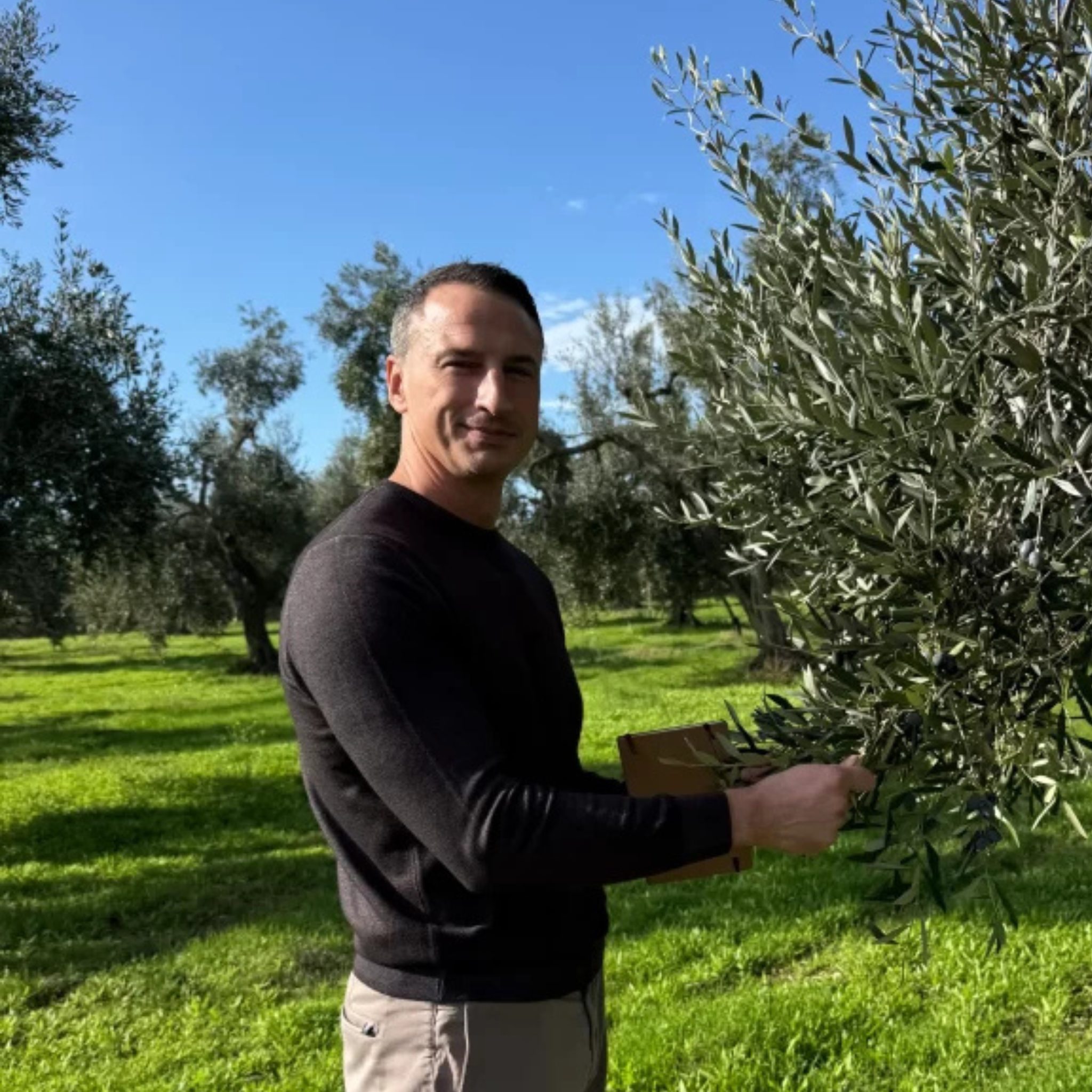
About the authorNick Ednie is the founder and curator of The Olive Library, a personal journey into the world of high-quality extra virgin olive oil. With a deep love of food, Nick travels the Mediterranean to discover and share some of the finest olive oils available. He has also deepened his expertise through study at the prestigious EVOO School. Nick’s mission is to champion heritage, quality and education in every bottle he selects and to bring the stories behind exceptional producers to life. When he’s not tasting and sourcing oils, he writes about flavour, terroir and the art of olive oil appreciation.