

7-Day Extra Virgin Olive Oil Training in Italy — 7 Day Immersive Training | Rome & Beyond
Personal Intention
I began this journey with a deep respect for Extra Virgin Olive Oil — not simply as a food product, but as a living expression of land, climate, tradition, and craftsmanship. My intention was to refine my sensory awareness, understand quality at a professional level, and connect more deeply with the culture and science behind olive oil.
From the first moment in Rome, I felt I was stepping into a tradition that stretches back thousands of years — a continuum of knowledge carried through farmers, millers, tasters, and families.
Days 1–3: Intensive Sensory Calibration — Learning to Taste Like a Professional
The classroom environment in Rome was focused, disciplined, and sensory-driven. Each session demanded full concentration as we trained our senses to detect subtle aromatic compounds and structural qualities in the oils.
We used professional tasting techniques:
- Warming the glass gently to release aromas
- Inhaling slowly to capture volatile notes
- Performing the “strippaggio” (slurping technique) to aerate the oil across the palate
- Observing the progression of flavours and sensations
At first, the differences between oils felt delicate, but as training progressed, layers began to reveal themselves — green tomato leaf, fresh herbs, almond skin, artichoke, wild grass, and sometimes tropical fruit nuances.
The experience was both analytical and emotional. Each oil told a story.
Developing Sensory Memory
One of the most fascinating aspects was building a “sensory library” — training the brain to associate aromas with specific references. We smelled fresh ingredients, aromatic standards, and defect samples repeatedly.
Over time, I noticed my perception sharpening:
- Bitterness became more precise rather than simply “strong”
- Pungency evolved into a sign of vitality rather than intensity
- Fruity notes became layered — green, ripe, or complex
This process felt like learning a new language — the language of olive oil.
Understanding Terroir — How Land Shapes Oil
We explored how geography influences flavour. Climate, soil composition, altitude, and olive variety all shape the oil’s personality.
Italian oils demonstrated remarkable diversity:
- Some expressed vibrant green intensity
- Others showed softer, rounder fruit profiles
- Certain oils carried elegant floral notes
It became clear that olive oil, like fine wine, is inseparable from its origin.
Positive Attributes — Balance as the Mark of Excellence
Through repeated tastings, I learned that great Extra Virgin Olive Oil is defined not by strength alone, but by harmony.
Fruity
The essence of freshly harvested olives — vibrant, alive, and expressive.
Bitter
A structural backbone linked to phenolic compounds and early harvest fruit.
Pungent
A peppery sensation in the throat, often causing a gentle cough — a hallmark of freshness and antioxidant richness.
The most memorable oils showed elegance — intensity balanced with clarity.
Defects — Lessons in What Can Go Wrong
Tasting defective oils was surprisingly impactful. Experiencing faults firsthand created a lasting understanding of production risks.
We studied causes behind defects:
- Delayed milling leading to fermentation
- Poor storage causing oxidation
- Contamination from moisture or mold
- Excess heat during processing
Recognizing defects reinforced the importance of discipline at every stage — from grove to bottle.
History — Olive Oil as Civilization’s Companion
Lectures on history revealed olive oil’s central role across Mediterranean cultures.
It has served as:
- Food and medicine
- Sacred ritual oil
- Fuel for light
- A symbol of peace and longevity
- A cornerstone of trade routes
Understanding this lineage deepened my appreciation — every drop carries centuries of knowledge.
Science — The Living Chemistry of Olive Oil
The scientific sessions revealed olive oil as a complex biochemical matrix rich in beneficial compounds.
We explored:
- Polyphenols and their antioxidant activity
- Oleic acid and its metabolic benefits
- Oxidative stability
- The impact of harvest timing on composition
Health Perspective
High-quality EVOO supports:
- Heart and vascular health
- Anti-inflammatory pathways
- Cognitive resilience
- Blood sugar balance
- Cellular protection against oxidative stress
Seeing the science confirmed what Mediterranean cultures have long practiced intuitively.
Cooking — Dispelling the Myths
A major takeaway was the confirmation that Extra Virgin Olive Oil is highly suitable for cooking.
We examined:
- Smoke point realities
- Thermal stability due to antioxidants
- Flavour development in cooking
- Nutritional retention
The long-standing myth that cooking with EVOO is harmful was clearly addressed — when high-quality oil is used properly, it remains one of the healthiest culinary fats available.
Emotional Reflection — A Shift in Perspective
Beyond technical learning, the course changed how I perceive olive oil.
I began to see it not as a commodity, but as:
- A seasonal expression of nature
- A product requiring respect and care
- A bridge between agriculture, science, and culture
There was a sense of humility in realizing how much precision and dedication goes into producing truly exceptional oil.
Connection to Craftsmanship
Meeting professionals and hearing their experiences highlighted the passion behind olive oil production. The process demands patience — olives harvested at the right moment, milled within hours, stored carefully, and evaluated rigorously.
Quality is intentional.
Key Lessons I Carry Forward
- Freshness is everything
- Sensory awareness can be trained
- Defects are preventable through discipline
- High phenolic oils offer both flavour and health value
- Education is essential to elevate consumer understanding
- Authentic olive oil reflects its origin honestly
Day 4-6 Pairing Foods with Premium Olive Oils – Meeting a Meticulous renowned Farmer
Livorno — Advanced Tasting and Pairing
After Rome, we travelled to Livorno for further sensory training. Here we refined our ability to detect subtle defects and explored advanced tasting techniques.
A major focus was pairing — understanding how mild, medium, and intense oils interact with different foods. We learned to avoid overpowering dishes and instead create harmony.
One of the most memorable experiences was using olive oil in unexpected ways, including pairing with desserts such as ice cream and chocolate — demonstrating its versatility beyond savoury cooking.
We also attended a session with a large-scale producer from California, who discussed the challenge of balancing quality with high-volume production and how innovation can help close that gap.
Meeting Award-Winning Growers
We had the privilege of visiting an award-winning family olive farm run by two brothers recognised for their excellence. Their dedication to craftsmanship, respect for the land, and pursuit of quality offered a powerful example of what premium production truly means.
They led a detailed pairing workshop, showcasing how thoughtful cultivation translates into distinctive flavour.
Florence — Taste Exhibition and Certification
The final two days were spent in Florence attending a renowned food exhibition that brings together leading producers and distributors of premium foods.
Here, I received my certification — a meaningful milestone marking the culmination of the course.
We visited additional olive oil producers, seeing firsthand how technology, passion, and meticulous work come together to create exceptional oils. It was inspiring to witness the growing global demand for high-quality Extra Virgin Olive Oil and the opportunities this presents for producers committed to excellence.
Reflections
This experience transformed the way I understand olive oil. I now see it not simply as an ingredient but as a living expression of landscape, climate, culture, and human dedication.
The course strengthened my sensory skills, expanded my technical knowledge, and deepened my respect for the craft — reinforcing my commitment to pursuing excellence in the world of premium Extra Virgin Olive Oil.
About the author
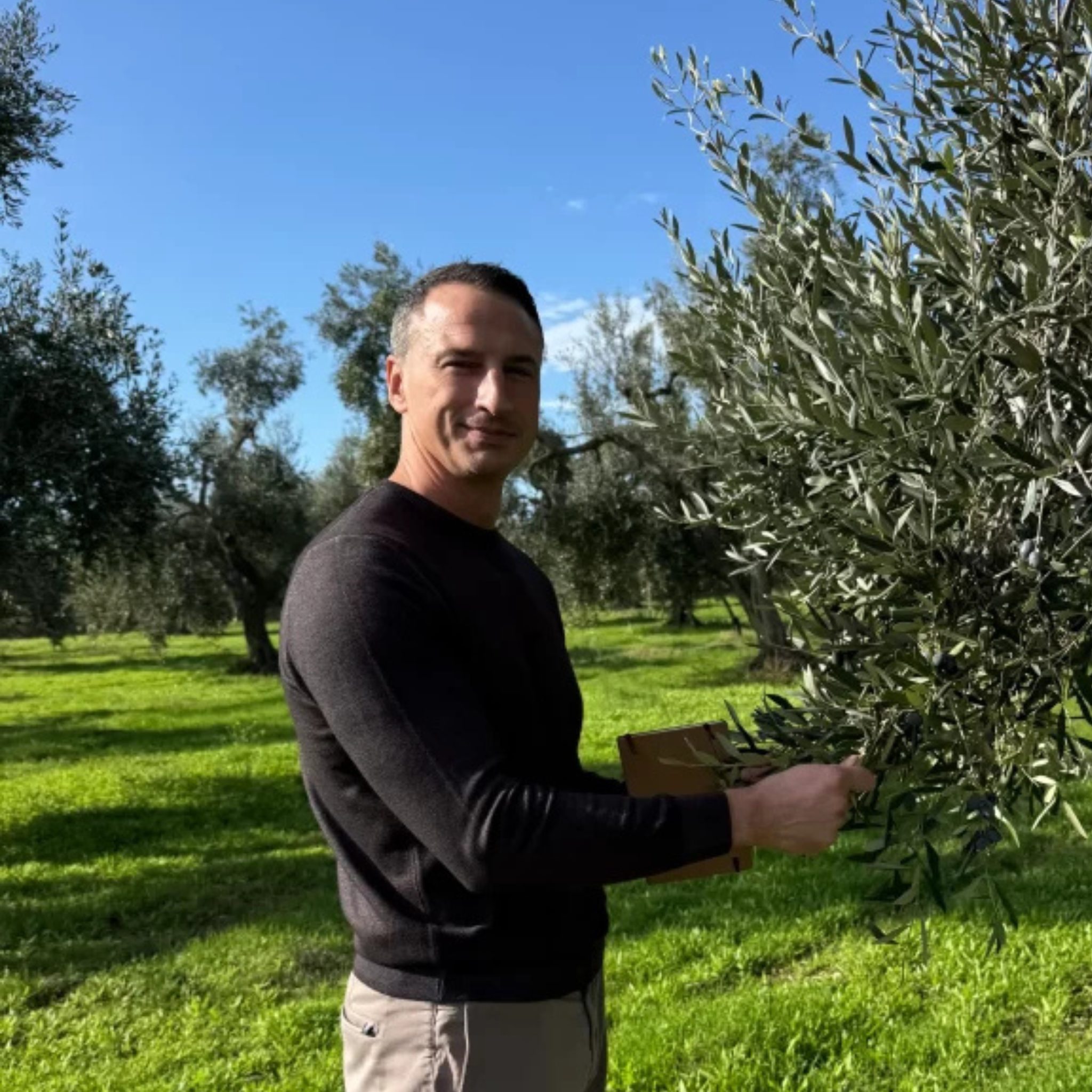
Nick Ednie is the founder and curator of The Olive Library, a personal journey into the world of high-quality extra virgin olive oil. With a deep love of food, Nick travels the Mediterranean to discover and share some of the finest olive oils available. He has also deepened his expertise through study at the prestigious EVOO School. Nick’s mission is to champion heritage, quality and education in every bottle he selects and to bring the stories behind exceptional producers to life. When he’s not tasting and sourcing oils, he writes about flavour, terroir and the art of olive oil appreciation.