




How Harvest Timing Shapes Flavour, Structure, and Intensity
One of the most influential — and least understood — decisions in olive oil production happens before the olives ever reach the mill: when to harvest.
It’s easy to assume that quality comes down to varietal or terroir alone, but in reality harvest timing often has a greater impact on how an olive oil tastes, feels, and behaves than almost any other single factor.
Two oils made from the same olives, grown in the same grove and milled in the same facility, can taste entirely different simply because they were harvested weeks apart.
Understanding the difference between early-harvest and late-harvest olive oils is one of the quickest ways to become a more confident, informed olive oil user.
What Do “Early Harvest” and “Late Harvest” Actually Mean?
Olives do not ripen all at once. Over the course of the harvest season, the fruit gradually changes colour and internal composition.
Early harvest oils are made from olives picked while still largely green or just beginning to change colour. Late harvest oils come from riper olives, harvested later in the season.
There is no universal calendar date for either category. Harvest timing depends on climate, altitude, varietal, and seasonal conditions.
The Trade-Off Every Producer Faces
Harvest timing is always a compromise.
Early-harvest olives contain less oil by weight, which means lower yield and higher production cost. Late-harvest olives are richer in oil and easier to process efficiently.
This trade-off explains much of the difference between artisanal, quality-driven oils and mass-produced ones.
The real question is not which is better, but what experience you are looking for.
How Early Harvest Oils Taste
Early harvest olive oils tend to be bold, structured, and vibrant.
- Pronounced bitterness
- Clear peppery pungency
- Fresh green aromas such as grass, tomato leaf, artichoke, and green almond
- Higher perceived intensity
- Long, persistent finish
These traits are closely linked to higher levels of polyphenols, the compounds responsible for bitterness, pungency, and oxidative stability.
To the untrained palate, early harvest oils can feel aggressive at first, but with the right food their intensity becomes an advantage.
How Late Harvest Oils Taste
Late harvest oils are generally rounder, softer, and more immediately approachable.
- Lower bitterness and pungency
- Smoother mouthfeel
- Ripe fruit notes such as banana, stone fruit, and floral tones
- Shorter, gentler finish
- Greater perceived sweetness
When well made, late harvest oils offer elegance rather than power. They should still taste fresh and aromatic, never flat or dull.
Polyphenols, Stability, and Shelf Life
Harvest timing also affects how an oil ages.
Early harvest oils, with higher polyphenol content, tend to be more resistant to oxidation and maintain their character longer.
Late harvest oils generally contain fewer polyphenols and may lose freshness more quickly if poorly stored.
Regardless of harvest timing, proper storage away from light, heat, and oxygen is essential.
How Harvest Timing Affects Pairing
Understanding harvest timing becomes particularly useful in the kitchen.
Early harvest oils pair well with robust dishes that benefit from bitterness and pungency.
- Bitter greens
- Legumes and pulses
- Grilled or roasted vegetables
- Red meats and lamb
- Tomato-based dishes
Late harvest oils are better suited to delicate foods where subtlety matters.
- Delicate fish and shellfish
- Fresh cheeses
- Raw vegetables
- Simple salads
A Common Misconception About Smoothness
One of the most persistent myths about olive oil is that smoothness equals quality.
Bitterness and pepperiness are not defects when balanced and clean. They are indicators of freshness and phenolic content.
Learning to appreciate bitterness in olive oil is similar to learning to enjoy bitterness in coffee or dark chocolate.
What I Look For as a Curator
When selecting oils, I do not favour early or late harvest by default.
I look for coherence. An early harvest oil should feel intentional and balanced, not harsh. A late harvest oil should feel fresh and expressive, not flat.
The best producers understand their groves well enough to choose the right moment, not the fashionable one.
Conclusion
Harvest timing is one of the most powerful tools a producer has, and one of the most useful concepts a consumer can learn.
Early harvest oils offer intensity, structure, and longevity. Late harvest oils offer softness, roundness, and immediacy.
There is no single “best” olive oil. There is only the right oil for the moment, the dish, and your own taste.
About the author
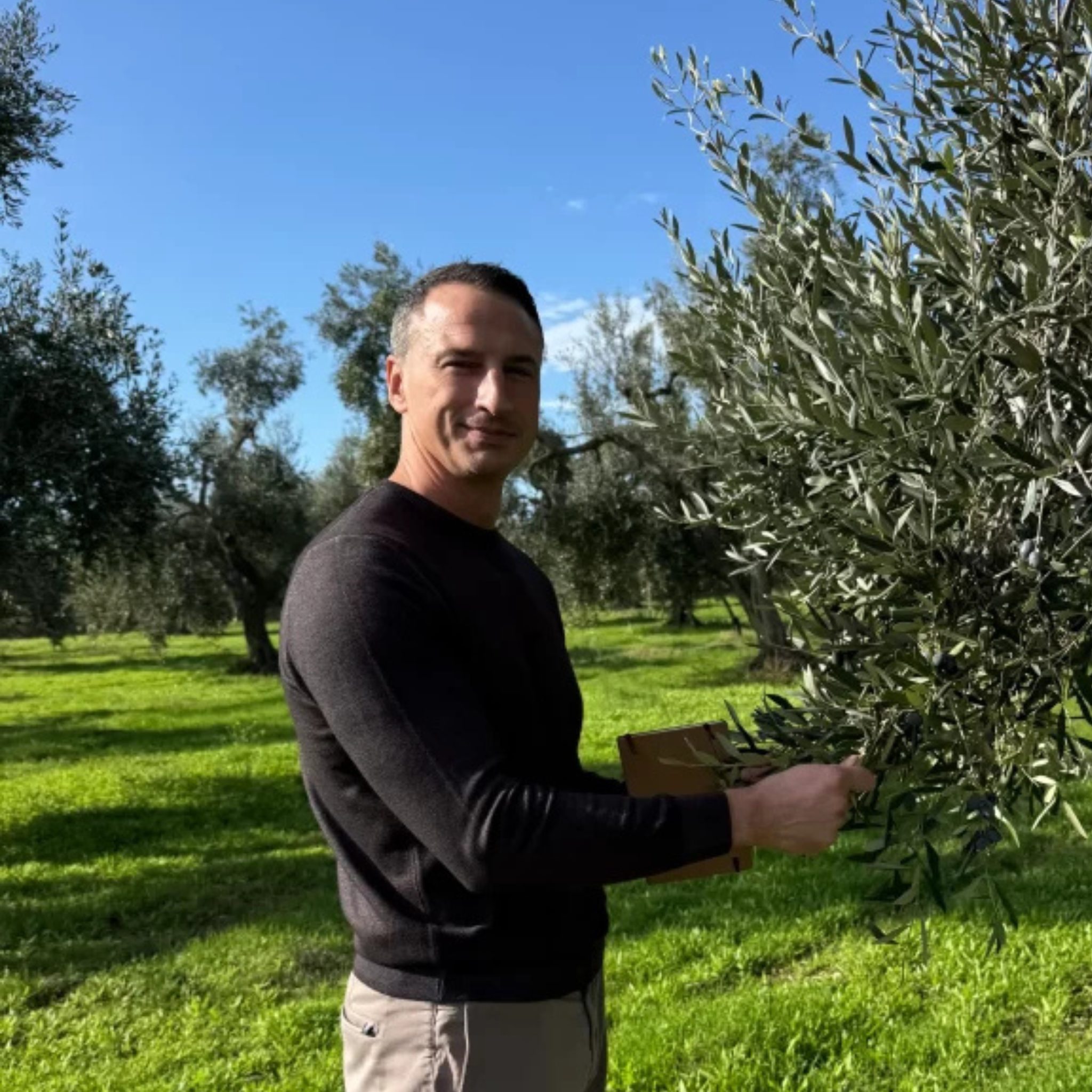
Nick Ednie is the founder and curator of The Olive Library, a personal journey into the world of high-quality extra virgin olive oil. With a deep love of food, Nick travels the Mediterranean to discover and share some of the finest olive oils available. He has also deepened his expertise through study at the prestigious EVOO School. Nick’s mission is to champion heritage, quality and education in every bottle he selects and to bring the stories behind exceptional producers to life. When he’s not tasting and sourcing oils, he writes about flavour, terroir and the art of olive oil appreciation.