


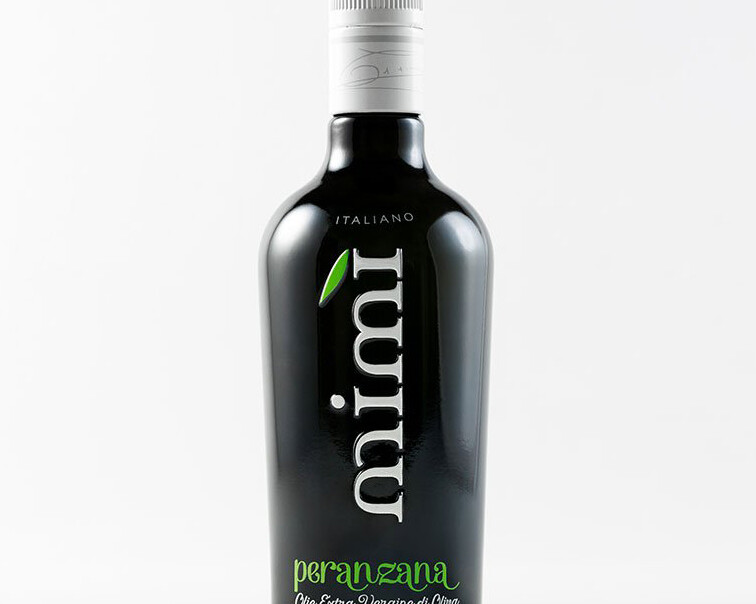
Beef Tartare with Olive Oil Croutons
Ingredients:
Serves 4 people as a starter
Tartare Mix:
- 150g of salt -aged beef filet, finely diced
- 15g lilliput caper (or chopped capers)
- 15g gherkins, finely diced
- 15g shallot, finely diced
- 2 teaspoons chopped parsley
- 1 tablespoon tomato ketchup
- 1 teaspoon Dijon mustard
- ½ teaspoon Worcestershire sauce
- A few drops of Tabasco
- 4 egg yolks (quail’s eggs are good as they’re smaller)
For the croutons
- 4 thin slices sourdough
- Olive Oil (high polyphenol for pungency)
- A pinch of chopped rosemary
- A pinch of chopped thyme
- Sea salt flakes
Procedure:
Heat the oven to 180°C (160°C fan), 350°F, Gas Mark 4.
Place the sourdough slices on a baking tray and drizzle generously with good extra virgin olive oil. Sprinkle over chopped rosemary, thyme and a few salt flakes. Bake for about 15 minutes, until golden and crisp.
Using a sharp knife, finely dice the beef by hand. Take your time — the texture matters.
In a bowl, combine the beef with the remaining ingredients (except the egg yolks). Season carefully with salt and freshly ground black pepper, tasting as you go.
To serve, either shape the tartare using a metal ring or spoon it naturally onto the plate. It is best enjoyed at room temperature, when the flavours are at their fullest.
Make a small well in the centre and gently place the egg yolk inside. Finish with a light pinch of salt and serve with the warm croutons.
Simple ingredients. Careful preparation. Good olive oil at the heart of it all.
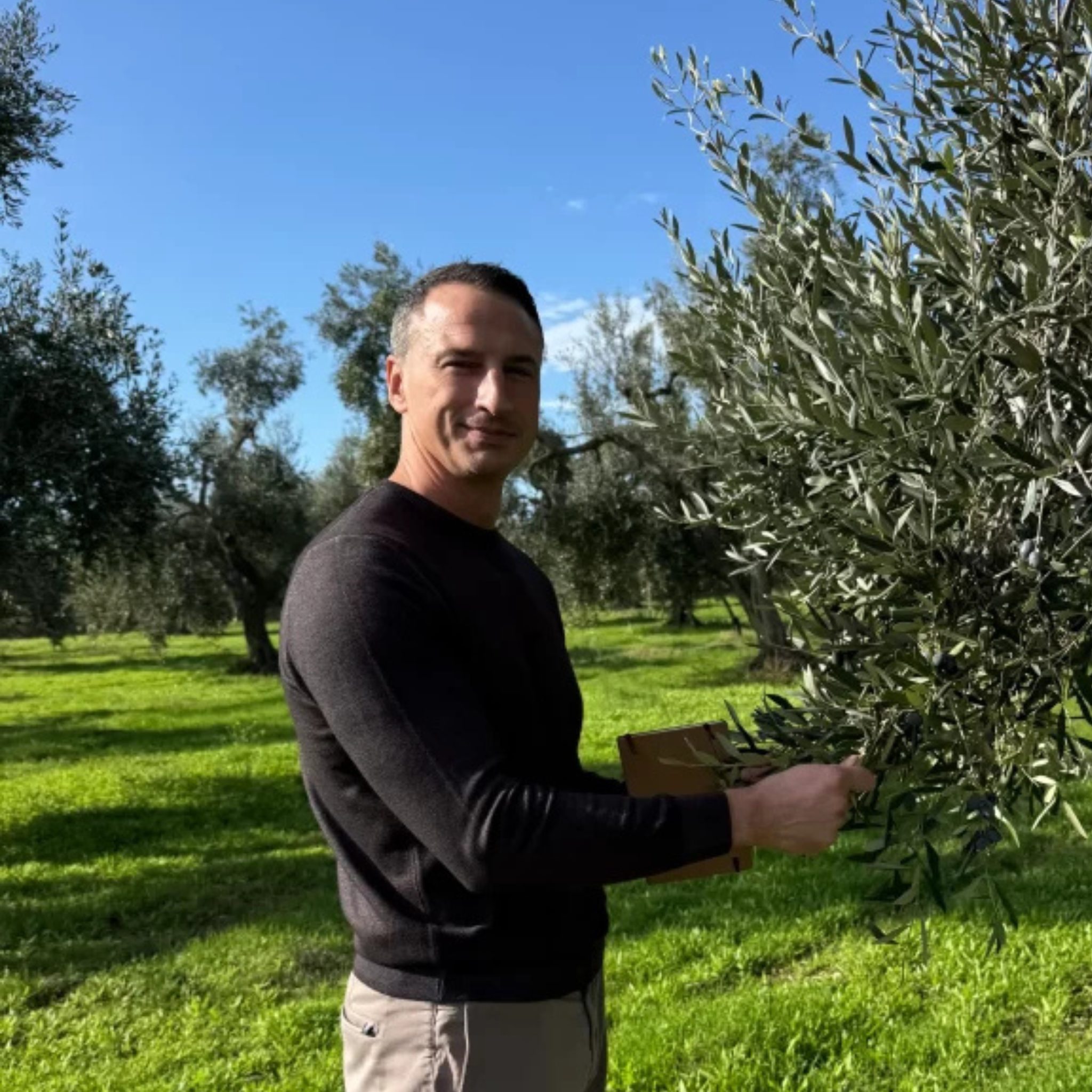
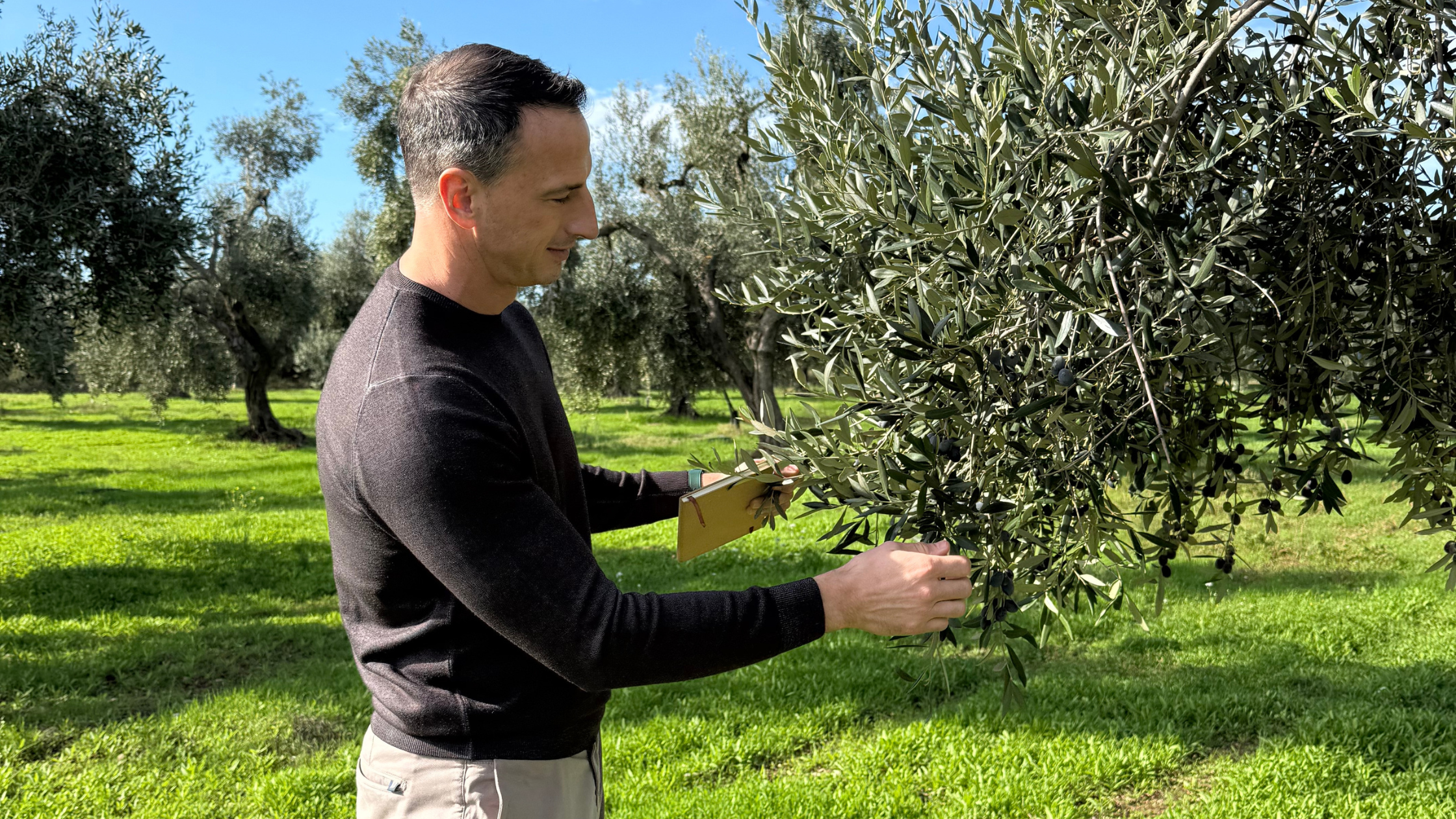
Extra Virgin Olive Oil Tasting Course
7-Day Extra Virgin Olive Oil Training in Italy — 7 Day Immersive Training | Rome & Beyond
Personal Intention
I began this journey with a deep respect for Extra Virgin Olive Oil — not simply as a food product, but as a living expression of land, climate, tradition, and craftsmanship. My intention was to refine my sensory awareness, understand quality at a professional level, and connect more deeply with the culture and science behind olive oil.
From the first moment in Rome, I felt I was stepping into a tradition that stretches back thousands of years — a continuum of knowledge carried through farmers, millers, tasters, and families.
Days 1–3: Intensive Sensory Calibration — Learning to Taste Like a Professional
The classroom environment in Rome was focused, disciplined, and sensory-driven. Each session demanded full concentration as we trained our senses to detect subtle aromatic compounds and structural qualities in the oils.
We used professional tasting techniques:
- Warming the glass gently to release aromas
- Inhaling slowly to capture volatile notes
- Performing the “strippaggio” (slurping technique) to aerate the oil across the palate
- Observing the progression of flavours and sensations
At first, the differences between oils felt delicate, but as training progressed, layers began to reveal themselves — green tomato leaf, fresh herbs, almond skin, artichoke, wild grass, and sometimes tropical fruit nuances.
The experience was both analytical and emotional. Each oil told a story.
Developing Sensory Memory
One of the most fascinating aspects was building a “sensory library” — training the brain to associate aromas with specific references. We smelled fresh ingredients, aromatic standards, and defect samples repeatedly.
Over time, I noticed my perception sharpening:
- Bitterness became more precise rather than simply “strong”
- Pungency evolved into a sign of vitality rather than intensity
- Fruity notes became layered — green, ripe, or complex
This process felt like learning a new language — the language of olive oil.
Understanding Terroir — How Land Shapes Oil
We explored how geography influences flavour. Climate, soil composition, altitude, and olive variety all shape the oil’s personality.
Italian oils demonstrated remarkable diversity:
- Some expressed vibrant green intensity
- Others showed softer, rounder fruit profiles
- Certain oils carried elegant floral notes
It became clear that olive oil, like fine wine, is inseparable from its origin.
Positive Attributes — Balance as the Mark of Excellence
Through repeated tastings, I learned that great Extra Virgin Olive Oil is defined not by strength alone, but by harmony.
Fruity
The essence of freshly harvested olives — vibrant, alive, and expressive.
Bitter
A structural backbone linked to phenolic compounds and early harvest fruit.
Pungent
A peppery sensation in the throat, often causing a gentle cough — a hallmark of freshness and antioxidant richness.
The most memorable oils showed elegance — intensity balanced with clarity.
Defects — Lessons in What Can Go Wrong
Tasting defective oils was surprisingly impactful. Experiencing faults firsthand created a lasting understanding of production risks.
We studied causes behind defects:
- Delayed milling leading to fermentation
- Poor storage causing oxidation
- Contamination from moisture or mold
- Excess heat during processing
Recognizing defects reinforced the importance of discipline at every stage — from grove to bottle.
History — Olive Oil as Civilization’s Companion
Lectures on history revealed olive oil’s central role across Mediterranean cultures.
It has served as:
- Food and medicine
- Sacred ritual oil
- Fuel for light
- A symbol of peace and longevity
- A cornerstone of trade routes
Understanding this lineage deepened my appreciation — every drop carries centuries of knowledge.
Science — The Living Chemistry of Olive Oil
The scientific sessions revealed olive oil as a complex biochemical matrix rich in beneficial compounds.
We explored:
- Polyphenols and their antioxidant activity
- Oleic acid and its metabolic benefits
- Oxidative stability
- The impact of harvest timing on composition
Health Perspective
High-quality EVOO supports:
- Heart and vascular health
- Anti-inflammatory pathways
- Cognitive resilience
- Blood sugar balance
- Cellular protection against oxidative stress
Seeing the science confirmed what Mediterranean cultures have long practiced intuitively.
Cooking — Dispelling the Myths
A major takeaway was the confirmation that Extra Virgin Olive Oil is highly suitable for cooking.
We examined:
- Smoke point realities
- Thermal stability due to antioxidants
- Flavour development in cooking
- Nutritional retention
The long-standing myth that cooking with EVOO is harmful was clearly addressed — when high-quality oil is used properly, it remains one of the healthiest culinary fats available.
Emotional Reflection — A Shift in Perspective
Beyond technical learning, the course changed how I perceive olive oil.
I began to see it not as a commodity, but as:
- A seasonal expression of nature
- A product requiring respect and care
- A bridge between agriculture, science, and culture
There was a sense of humility in realizing how much precision and dedication goes into producing truly exceptional oil.
Connection to Craftsmanship
Meeting professionals and hearing their experiences highlighted the passion behind olive oil production. The process demands patience — olives harvested at the right moment, milled within hours, stored carefully, and evaluated rigorously.
Quality is intentional.
Key Lessons I Carry Forward
- Freshness is everything
- Sensory awareness can be trained
- Defects are preventable through discipline
- High phenolic oils offer both flavour and health value
- Education is essential to elevate consumer understanding
- Authentic olive oil reflects its origin honestly
Day 4-6 Pairing Foods with Premium Olive Oils – Meeting a Meticulous renowned Farmer
Livorno — Advanced Tasting and Pairing
After Rome, we travelled to Livorno for further sensory training. Here we refined our ability to detect subtle defects and explored advanced tasting techniques.
A major focus was pairing — understanding how mild, medium, and intense oils interact with different foods. We learned to avoid overpowering dishes and instead create harmony.
One of the most memorable experiences was using olive oil in unexpected ways, including pairing with desserts such as ice cream and chocolate — demonstrating its versatility beyond savoury cooking.
We also attended a session with a large-scale producer from California, who discussed the challenge of balancing quality with high-volume production and how innovation can help close that gap.
Meeting Award-Winning Growers
We had the privilege of visiting an award-winning family olive farm run by two brothers recognised for their excellence. Their dedication to craftsmanship, respect for the land, and pursuit of quality offered a powerful example of what premium production truly means.
They led a detailed pairing workshop, showcasing how thoughtful cultivation translates into distinctive flavour.
Florence — Taste Exhibition and Certification
The final two days were spent in Florence attending a renowned food exhibition that brings together leading producers and distributors of premium foods.
Here, I received my certification — a meaningful milestone marking the culmination of the course.
We visited additional olive oil producers, seeing firsthand how technology, passion, and meticulous work come together to create exceptional oils. It was inspiring to witness the growing global demand for high-quality Extra Virgin Olive Oil and the opportunities this presents for producers committed to excellence.
Reflections
This experience transformed the way I understand olive oil. I now see it not simply as an ingredient but as a living expression of landscape, climate, culture, and human dedication.
The course strengthened my sensory skills, expanded my technical knowledge, and deepened my respect for the craft — reinforcing my commitment to pursuing excellence in the world of premium Extra Virgin Olive Oil.
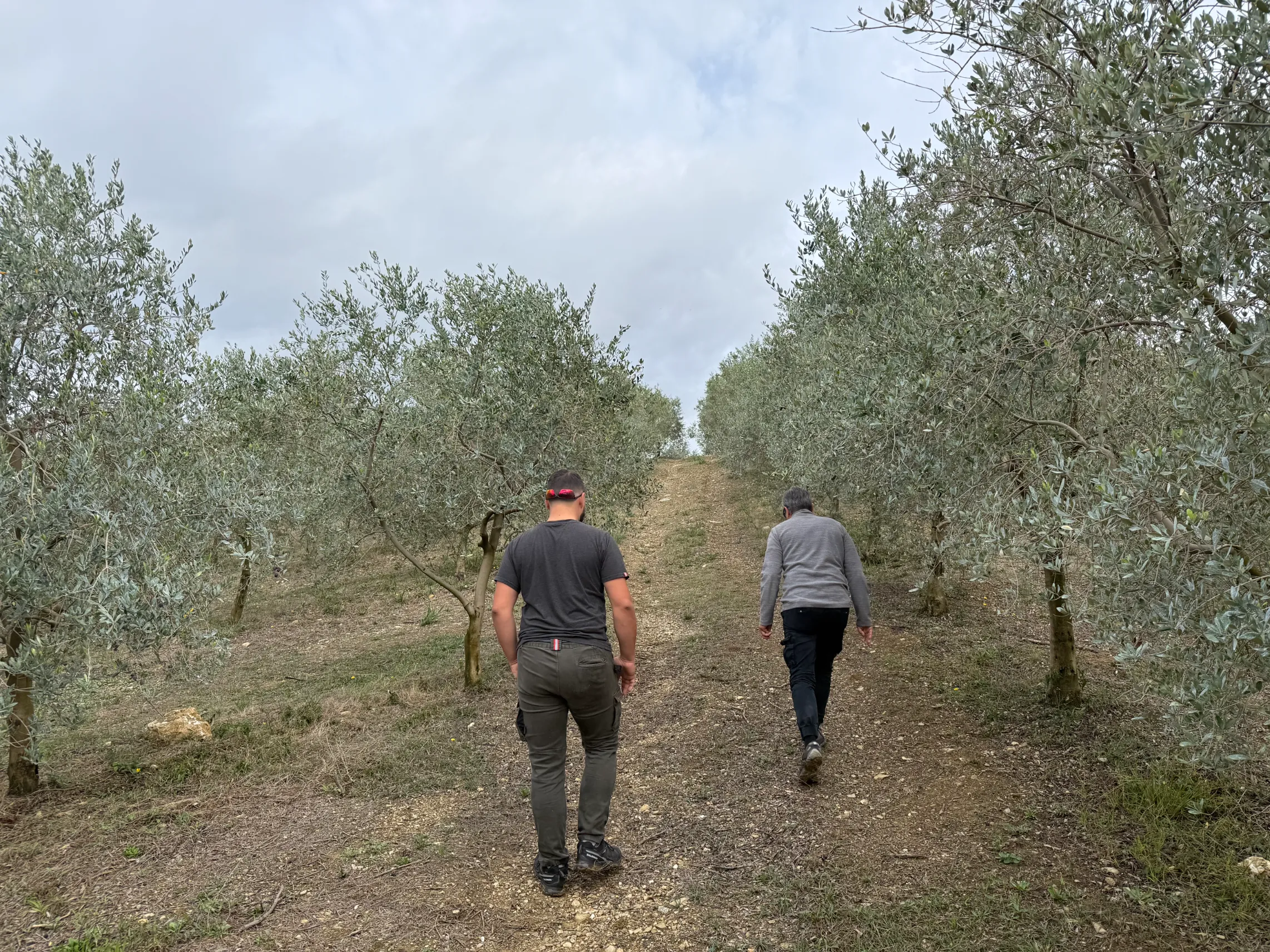
My Values
Intro
The Olive Library began for me out of a newly discovered passion for the world of high-quality olive oil and a desire to share this passion with others. This is a personal journey for me as much as it is a business venture, which means I set a lot of store in ensuring my business adheres to values I feel I can personally uphold.
These commitments are not just the throwaway statements a lot of companies use on their “About Us” pages, but things I believe very deeply in and see as foundational to the kind of business I want to run. At every stage of The Olive Library, from visiting producers to ensure the best quality products to helping fulfil your orders in a timely manner, I am there to make sure everything meets my personal standards and creates the best possible experience for you.
Heritage
Making olive oil is perhaps one of our oldest continuous traditions in food. In Italy alone, there is evidence of olive oil production dating as far back as the third millennium BC. This leaves behind an incredible tradition that carries over from generation to generation into today’s cultivation and production practices. Even as technology is starting to revolutionise certain methods, I still see in even the most state-of-the-art facilities a living history unlike any other.
This is why it is so important to me that my business not only respect but also champion the incredible heritage of the olive oil world, working to educate my customers and share stories that help people to understand how precious and worth preserving these things are. This is what you don’t get when you just go to the grocery store and buy a bottle off the shelf—the power and vitality of history that you engage with when you purchase a seemingly unremarkable bottle of high-quality olive oil, and it is a key part of the story I want to tell with The Olive Library.
Quality
Quality means many things with olive oil, beyond the simple label of “extra virgin” which counts for something but definitely isn’t the whole story. As technology is changing how we can grow olives and produce olive oil, it’s also changing our understanding of the health benefits that only the highest quality oils can offer.
I’ve certainly felt the benefits of incorporating more high-quality olive oil into my diet, and the more research that emerges on the benefits of ingredients like polyphenols, which quality olive oils have much more of, the more I see the value in it.
My commitment to offering only the finest olive oils to my customers extends from my own personal concern with the quality of foods I put in my own body and my own efforts to live a healthier lifestyle. I will never cut corners or select products I know fall short of my own standards when curating the Olive Library’s offering and offer as much transparency as possible in regards to harvest dates, olive oil sourcing and other details that ensure the finest possible quality.
Education
Everyday is a learning experience for me when it comes to better understanding the world of olive oil. I’ve worked hard to accumulate enough knowledge to feel that I know what I’m talking about, but at the same time it’s important to me that I spread this knowledge as much as possible, rather than gatekeeping.
This is why a key focus of mine with The Olive Library is educating others on everything from the finer points of olive oil tasting and how to pair it with food, to more in-depth subjects like the health benefits of polyphenols and how factors like location and harvest times impact taste. There is so much to learn and I make it my mission, as I work towards becoming a true olive oil connoisseur, to share all my knowledge with everyone willing to listen and make you all connoisseurs also.
Conclusion
These key values are not only promises to you but also commitments I make to myself in each day in how I run The Olive Library. They are as essential to this business as the olive oil itself and things you can count on me to always uphold. I invite you now to experience all of this for yourself, by exploring The Olive Library’s carefully curated selection of premium olive oils and seeing the difference in quality and taste for yourself.
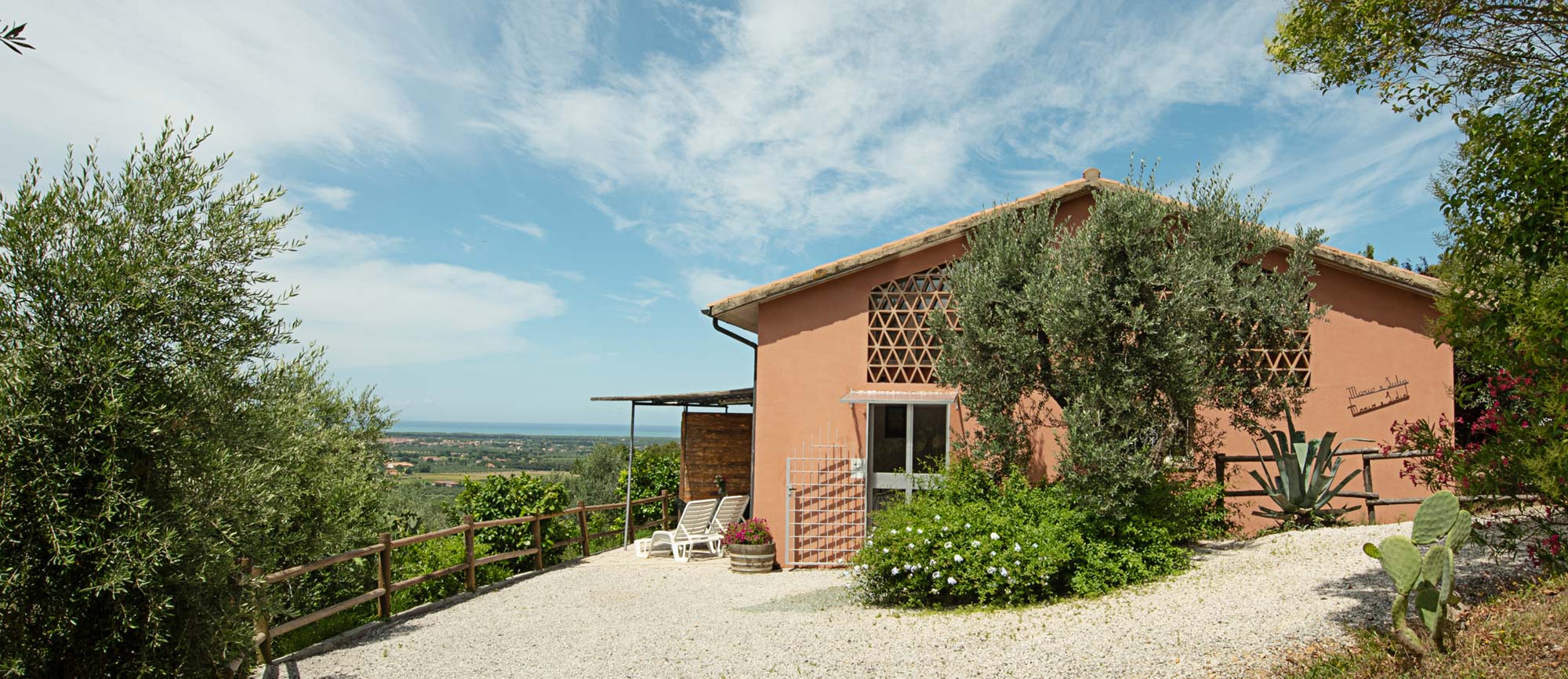
Visiting Fonte Di Foiano
The afternoon sun spilled golden light across the hills of Castagneto Carducci as I approached Fonte di Foiano. From the very first glance, it was clear this land was extraordinary. Silvery-green olive trees cascaded down the slopes, the Tyrrhenian Sea glimmered in the distance and the air itself seemed infused with life.
I was greeted by Paolo and Simone, the second generation of growers and millers behind Fonte di Foiano. Their welcome was warm, yet their presence carried the quiet intensity of men who live their craft with absolute dedication. As we walked together among the groves, Paolo placed his hand gently on the bark of a tree and spoke with conviction:
“These trees are like family. We protect them naturally, without pesticides, to preserve not only their health but also the true taste and character of the oil they give us. If we disturbed this balance, we would lose the very soul of our work.”
Everywhere I looked, the groves reflected this harmony — centuries-old trees standing alongside carefully planted younger ones, all nurtured with patience and respect.
From the grove, the brothers led me into their mill, a space that felt both modern and deeply personal. Gleaming stainless steel machinery stood ready for harvest, bespoke to their vision of perfection.

“This mill is our heart,” Simone explained. “We only mill our own olives. That way there’s no contamination, no compromise. Every detail, from timing to temperature to filtration, is fine-tuned to preserve purity. We’d rather produce less, but ensure every drop reflects the highest standard.”
The tour ended at a rustic wooden table set on the terrace, overlooking the rolling Tuscan hills. Waiting for us was a spread of fine local cheeses, sun-ripened tomatoes, and fresh bread from the village bakery. But the true stars were the oils — the latest season’s harvest, carefully poured into tasting glasses.
One by one, I tasted them. Some were bold and peppery, others fruity and elegant, all alive with pungency and depth. Each oil had its own personality, its own purpose — perfect for elevating different foods, nourishing the body, and carrying the health benefits we seek in our daily lives.
“The beauty of olive oil,” Paolo said as I savored a sip, “is that it’s not just for cooking. It’s for living. It connects you to the land, to health, and to the simplest pleasures at the table.”
As the sun dipped toward the horizon, I realized this was more than just a visit. It was an initiation — an experience that set the standard for what true extra virgin olive oil should be. Fonte di Foiano wasn’t simply producing oils; they were bottling a story of land, heritage, and relentless pursuit of excellence.
It was the perfect beginning to my journey as an explorer of the finest olive oils of the Mediterranean.
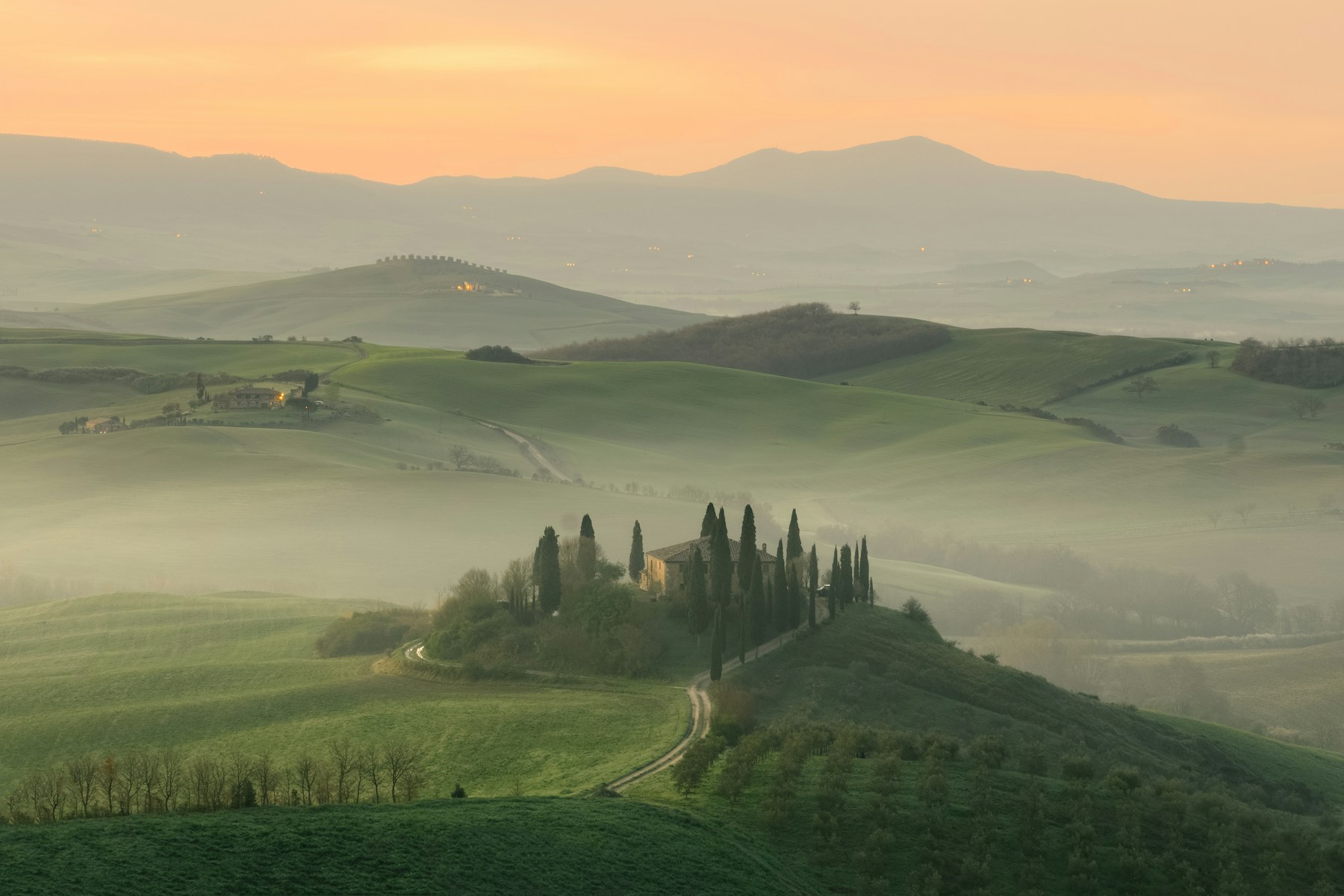
Travelling Italy in Search of Olive Oil
Why I Started The Olive Library, What I Look For in a Producer, and What Makes an EVOO Truly Special
For most of my life, olive oil was just… olive oil. A kitchen staple. Something you bought, used, and rarely thought about beyond “does it taste decent?” Like many people in the UK, I grew up seeing it as a reliable, healthy fat — a nice upgrade from vegetable oil — but not something you’d ever treat with the same curiosity you might give to wine, coffee, or cheese.
That changed the moment I started tasting it properly.
I don’t mean a quick drizzle on a salad. I mean actually tasting it: warming it slightly, smelling it, aerating it on the palate, noticing bitterness and pepperiness, and realising that what I’d always assumed was “too strong” was often a marker of freshness and quality. Suddenly, olive oil stopped being a background ingredient and became a product of place — an agricultural expression of climate, cultivar, harvest timing, and human decisions at the mill.
And once you see olive oil that way, you can’t unsee it.
The Olive Library began as a personal journey to understand what makes an extra virgin olive oil genuinely exceptional — and to build a collection of Italian oils that are not only delicious, but transparent, traceable, and made with care. That journey took me across Italy, from small family farms to meticulous mills, from coastal groves shaped by salt winds to high-altitude terraces where trees cling to stony ground.
This article is about why I travel, what I look for, and what I’ve learned along the way — not as a final authority, but as someone still learning, still tasting, still chasing that moment when an oil tells you exactly where it comes from.
Why Go to Italy at All?
There’s a practical answer: to find oils that aren’t widely exported, made by producers who prioritise quality over scale.
But there’s a more important answer: because olive oil cannot be properly understood from a spreadsheet.
You can learn a lot from technical sheets — cultivar, altitude, harvest period, extraction method, phenolic analysis — and I care about those things. But olive oil is also a living agricultural product, and the difference between “good” and “extraordinary” often sits in details you only grasp in person.
- How quickly the olives are milled after picking
- How clean and well-managed the mill is during harvest rush
- The producer’s attitude toward oxygen, heat, and time — the three enemies of freshness
- Whether the grove is treated like an industrial input or a living ecosystem
- How the oil actually tastes, in the producer’s own context, at the moment it’s born
Travel lets you connect flavour to reality. It gives you context: the soil under your feet, the weather patterns that shaped the year, the reason a producer chose to harvest early or late, the economic trade-offs behind every quality decision.
And frankly, it keeps you honest. If you’re curating oils from behind a screen, it’s easy to drift into marketing language. When you’re standing with a producer at six in the morning in a cold grove, watching fruit being picked and hauled to the mill, the story becomes much simpler: did they do it properly?
What “Extra Virgin” Really Means (and What It Doesn’t)
At its best, extra virgin olive oil is defined by mechanical extraction, low free acidity, and the absence of sensory defects. It should be fruity, clean, and free from flaws like rancidity, mustiness, or vinegar notes.
But meeting the baseline definition of “extra virgin” doesn’t automatically mean an oil is remarkable. It simply means it passes the threshold.
What I’m looking for goes beyond compliance. I want oils that feel alive — oils with clarity, structure, aroma, and a finish that lingers in a way that makes you pause.
In the end, the deciding factor is always the same: does it taste like something you’d want to keep tasting?
The Three Things I Look For First
Freshness
Olive oil is not like wine. Age is not a virtue.
Over time, aromatics fade, bitterness softens, and balance collapses. That’s why harvest date matters far more than best-before date. Oils from recent harvests, stored properly in stainless steel with minimal oxygen exposure, always have an advantage.
Process Discipline
Quality is incredibly sensitive to timing. Olives begin to degrade the moment they’re picked, especially if bruised or left in piles.
- Speed from tree to mill
- Cleanliness of equipment
- Temperature control during extraction
- Oxygen management throughout the process
There’s romance in old groves, but producing excellent olive oil requires modern discipline.
Transparency and Traceability
I want to know where the olives were grown, which cultivars were used, when they were harvested, and how the oil was produced.
Transparency doesn’t guarantee excellence, but a lack of it makes excellence unlikely.
What I Learned on the Road
Italy is not one olive oil country. It’s many, layered together.
Climate, altitude, soil, and local cultivars all shape flavour. This is why two oils can be equally well-made yet completely different.
Once you start tasting with terroir in mind, olive oil stops feeling random. Patterns emerge.
How I Want You to Use These Oils
I don’t want these oils to sit unopened on a shelf. Olive oil is meant to be used — but used with intention.
- Taste your oil before cooking
- Match intensity to food
- Keep more than one oil on hand
- Pay attention to harvest dates and storage
The biggest shift is mental: olive oil isn’t just fat. It’s flavour, agriculture, and craftsmanship.
Conclusion
Travelling Italy in search of olive oil has been one of the most rewarding learning journeys I’ve ever taken. The best producers I’ve met aren’t chasing trends. They’re obsessing over timing, cleanliness, and the long-term health of their trees.
The Olive Library exists to share those discoveries and to help more people experience what extra virgin olive oil can be when it’s made and handled with care.
If you’re new here, start simple: pick one oil, taste it properly, and pair it intentionally. There’s a good chance you’ll never look at olive oil the same way again.
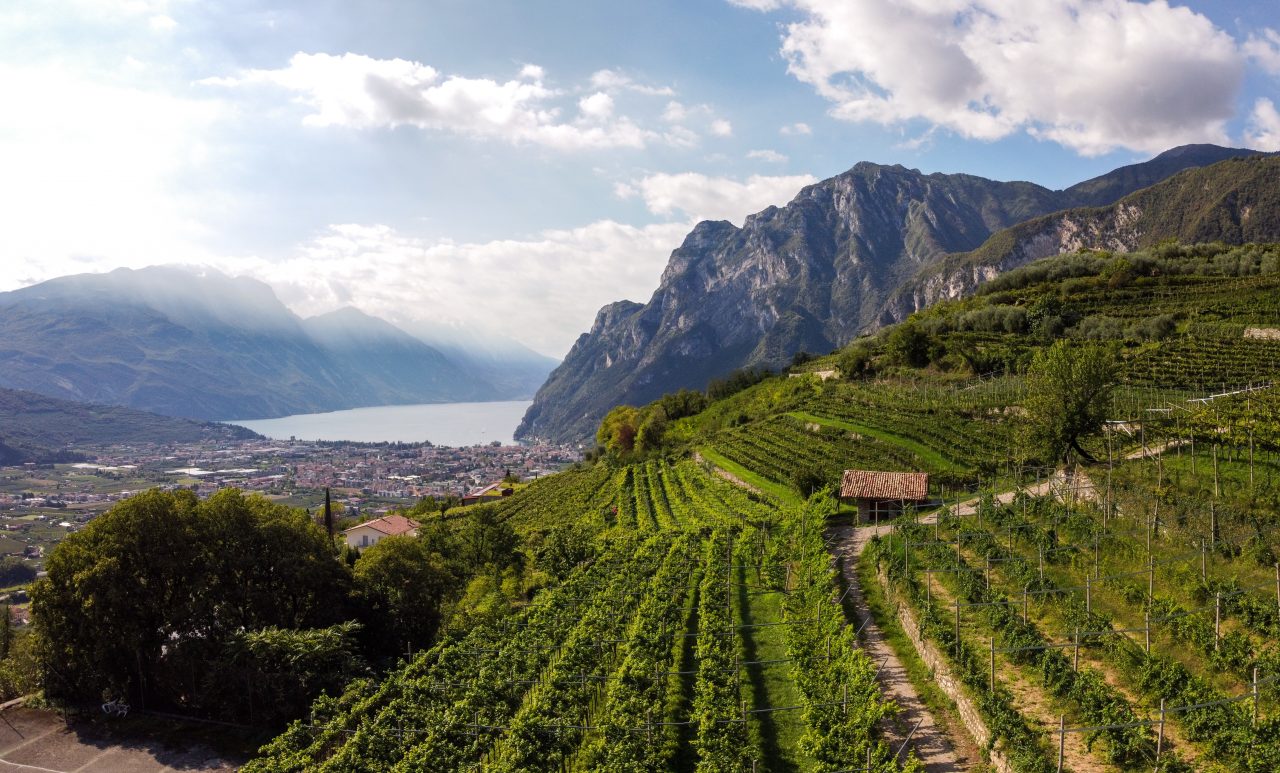
Visiting Frantoio Di Riva
I was excited to make my way to the Alto Garda Trentino to visit one of the unique growing methods that Frantoio Di Riva who are part of the Brave Millers Group. They expertly manage the unique Olive Oil orchard that is situated on the hillside of Lake Garda.
The day started with me arriving at the Cantina Frantoio which is located in front of the headquarters of the Frantoio Di Riva olive and wine producing facility.
I was greeted by Leonardo Munzlinger head of marketing and his colleague Mauro Nisa who is one of the technical experts at the Olive Oil plant.
We set off to the hill side of Mount Brione where 200 hectares of a variety of Olive trees and grown from Casliva to Frantoio olives are grown and are typical from this region.
We talked about how the benefits of growing the trees from the lime stones hills has its advantages such as the warmer temperature due to the higher level to protect from the frost in the winter from the lower freezing waters that run down from the glazier valleys and also the wind protection from the hill face.
Also, the soil depth being shallow which allows the olive trees to grow however other plantations are unable to surround the trees.
Of course, there is the challenges met by growing trees on a slope such as harvest picking and pruning and general maintenance to the trees.
I witnessed the investment on pipe work which pumps water back up the hill top to maintain a regular hydration to the plants.
One of my admiring techniques the farmers use to control the pesticide was the eco biological traps that appear very affective and avoid any contamination to the trees and the water supply that travels down to the valley and into the Lake.
The traps hung from the trees are designed to capture the male and female fruit flies that embed their eggs into the olives.
They also used a water based rock dust to spray onto the leaves which is easy washable but the has to be reapplied after a rainy period.
The area is divided up into multiple farmers growing in the region and of the 200 hectors Frantoio Di Riva have 70 hectors in this specific region.

With there being a range of growers the quality control team chose to manage by zoning areas specific to the grower and batch code every division and analise the olives with chemical and organoleptic methods. This analysis report allows each farmer to improve the quality the growing methods and to allow Frantoio to have a much higher quality Olive Oil to make available to the consumers.
I was told the unique conditions of the landscape and the climate for the region olive oil produced here has very high monounsaturated fats and high polyphenols. Other benefits include low acidity and exceptional stability which are all required to produce a premium olive oil.
Mauro also talked about the harvesting period which was soon approaching starting in mid October. He was expecting a lower yield this year compared to the previous year due to climate conditions but foresees the following year to be back on track. This is how it usually goes Mauro explains.
After our travels around the olive grove we headed back to the Cantina Frantoio where Leonardo explained how the plant was undergoing a relocation to create a larger facility to mill the olives and wine.
The new investment will have state of the art machinery to maintain quality and produce more olive oil as the demand grows.
I was then taken on a tour around the cantina which had all kinds of fresh produce from local farmers and growers in the region. I witnessed the popularity of tourist as well as locals wanting to buy fresh organic foods and condiments.
We then entered the restaurant private area where we were greated by Furio Battelini who is the technical director to discuss a selection of Olive Oils and wines that were laid out for myself and Leonardo. We thoroughly talked about how the taste of olive oils varied and the strength on pungent and peppery accents the oils have based on the times the olives were picked and the methods the olives were processed through the filtration machines. Adjusting timings and temperatures all play a part in the finished product. We discussed foods they could be best pared with. As I have learnt the later the harvest the less pungent, peppery flavours as the olive had absorbed additional water the longer it was growing on the trees.
If the filtration machines ran at slower speeds and lower temperature this can also increase the polyphenols higher monounsaturated fats.
This is why we see a variation in prices based on the labour-intensive procedures to get a higher quality olive oil.
I was fortunate to have a wine tasting experience and also local food selections laid out for me to pair the olive oils with.
This was a fascinating trip and one I would like to be able to bring home the premium olive oil home for my consumers to experience.
What I Look for When Selecting an Olive Oil
The Principles, Questions, and Trade-Offs Behind Every Bottle in The Olive Library
Curating olive oil is not about finding the most powerful flavour, the highest polyphenol number, or the most beautiful label. It’s about judgement — informed, patient judgement — built through tasting, travel, conversation, and comparison.
When people ask me how I decide which oils make it into The Olive Library, they often expect a checklist or a formula. In reality, selection is less mechanical than that. It’s a process of elimination, refinement, and trust.
This article isn’t about claiming authority. I’m still learning, still tasting, still changing my mind. But over time, certain principles have proven reliable.
Selection Starts Before the Tasting
An olive oil rarely surprises me in the glass if it didn’t already make sense on paper.
Before tasting, I want clarity on a few fundamentals.
- Where the olives are grown
- Which cultivars are used
- When the olives are harvested
- How quickly they are milled
- How the oil is stored before bottling
This is not bureaucracy. It’s about understanding intent. Producers who share these details clearly usually have a strong relationship with their product.
Transparency doesn’t guarantee excellence, but a lack of it makes excellence unlikely.
Freshness Is Non-Negotiable
No matter how skilled the producer or how exceptional the terroir, an olive oil past its prime cannot be rescued.
Over time, aromatics fade, bitterness softens, and balance collapses. This is why harvest date matters far more than best-before date.
I look for oils from recent harvests that have been stored properly, with minimal exposure to light, heat, and oxygen.
Tasting Comes Before Numbers
Laboratory analysis has its place, but numbers do not taste.
Polyphenol content, acidity, and peroxide values describe chemical condition, not pleasure.
When tasting, I focus on clarity and balance.
- Clean, defect-free aromas
- Clear fruit expression
- Balance between bitterness and pungency
- Length and evolution on the palate
An oil does not need to be extreme to be compelling. It needs to be resolved.
Intensity Is a Choice
There is a growing tendency to equate intensity with quality.
High bitterness and strong pungency can be thrilling, but they are not universally appropriate.
When selecting oils, I ask a simple question: what role does this oil play?
- Some oils are meant to dominate
- Others are meant to support
- A strong collection needs both
What matters is not how loud an oil is, but whether its intensity feels intentional.
Varietal Expression Over Blending
I am drawn to monovarietal oils because they make flavour legible.
Single cultivars allow terroir and genetics to show clearly, making oils easier to understand and remember.
This does not mean blends are inferior, but blending is too often used to mask flaws or flatten identity.
I favour oils that feel specific rather than generic.
Producers Matter More Than Awards
Awards can be useful indicators, but they are not decisive.
I pay more attention to how producers think and work.
- Do they prioritise farming over marketing?
- Do they adapt harvest decisions year by year?
- Do they taste critically and self-edit?
When I trust the producer, I trust the oil more easily.
Consistency Across Harvests
Olive oil is an agricultural product, and variation is inevitable.
What matters is consistency of intent.
Skilled producers maintain identity even as conditions change. Their oils evolve, but remain recognisable.
Why Some Excellent Oils Are Not Selected
Some oils are very good, but still not right for the collection.
Curation is about relationships between bottles, not individual merit alone.
An oil may be excellent but redundant, awkward to use, or unsuited to how most people cook.
Saying no is as important as saying yes.
What I Hope You Take From This
The goal of The Olive Library is not to tell you what to like.
It is to help you notice.
- Notice freshness
- Notice balance
- Notice intention
Every oil in the library is chosen because it represents something clearly.
Conclusion
Selecting olive oil is not about perfection. It is about alignment between land, producer, process, and purpose.
The Olive Library reflects a set of values: transparency over marketing, taste over hype, and curiosity over certainty.
If these oils encourage you to taste more carefully and think differently about what’s in your bottle, then the selection has done its job.
Discovering the Crushers Behind The Olive Library
A travel story through four Italian territories, the people who mill the olives, and the cultivars that define each place
Italy’s olive oil culture isn’t a single story. It’s a collection of regional dialects—different climates, different landscapes, different cultivars, and different ways of thinking about harvest and milling. For me, building The Olive Library has always meant going beyond labels and tasting notes and meeting the people behind the oils: the growers, the millers, and the crushers who turn fruit into something expressive and alive.
On the road, you learn quickly that you can’t understand an oil from a spreadsheet. You need to walk the groves, see the terrain, taste oils where they’re made, and ask the unglamorous questions: how fast do the olives reach the crusher? how is oxygen managed? how clean is the process during the chaos of harvest? That is where quality is protected—or lost.
This is the journey behind the crushers you see on The Olive Library: Ambrosio, Ciccolella, De Carlo, Fonte di Foiano, Frantoio di Riva, Mimì, and Sabino. Each represents a specific territory and a particular olive oil philosophy—shaped by terroir, cultivars, and the decisions that happen between tree and crusher.
Tuscany
Fonte di Foiano: structured oils from coastal-hill Tuscany
Tuscany is one of the most recognisable olive oil territories in Italy, and yet it still has enormous internal diversity. The hills, the inland valleys, and the coastal influences create a style that often leans toward clarity, structure, and herbal definition. Rainfall can be irregular, summers are dry, and temperature swings can be significant—conditions that naturally favour oils with grip and aromatic lift.
At Fonte di Foiano, the Tuscan identity comes through in oils built around classic regional cultivars such as Frantoio, Moraiolo, and Leccino. Moraiolo frequently provides bitterness and pungency, Frantoio adds aromatic complexity and green herbal notes, and Leccino can soften the profile with rounder fruit and balance.
What I love about strong Tuscan oils is that they feel intentional. Bitterness and pepperiness aren’t treated as flaws; they’re treated as structure. In the glass, you often find notes like artichoke, wild herbs, green almond, and fresh-cut grass—an oil that doesn’t hide, and doesn’t need to.
These are oils that pair best when food gives them something to push against: legumes, grilled vegetables, roasted meats, and dishes where bitterness can counterbalance richness.
Lake Garda Area
Frantoio di Riva: delicacy at the northern edge of olive growing
The Lake Garda area remains one of the most surprising places to taste olive oil. It sits at the northern frontier of olive cultivation, where latitude alone would suggest olives shouldn’t thrive. But the lake creates a unique microclimate: cold alpine air is moderated by the water, winters are less severe than expected, and steady breezes protect the groves.
Frantoio di Riva represents this territory beautifully. Oils from the Garda area are typically elegant, aromatic, and restrained—defined less by brute intensity and more by precision. The local cultivar Casaliva is central here, often supported by varieties such as Frantoio and Leccino, producing oils that can feel smooth, clean, and quietly complex.
In these oils, you often find sweet almond, soft herbs, and a delicate fruit character that works exceptionally well with subtle dishes—fresh cheeses, light vegetables, fish, and any plate where you want the oil to lift rather than dominate.
Lake Garda taught me something important: intensity is not the same as quality. Restraint can be profound when the oil is fresh, clean, and milled with discipline.
Campania
Ambrosio: aromatic energy shaped by southern landscapes
Campania is a region of contrasts. Coastal influences, inland hills, and varied soils create a wide spectrum of olive oil styles, often characterised by brightness and aromatic clarity. In this part of Italy, harvest decisions matter enormously: warm conditions can accelerate ripening, and careful timing is essential to preserve fragrance and balance.
Ambrosio is the kind of crusher that reminds you how much identity can live in aroma. Campania is known for cultivars that can deliver expressive, herb-forward profiles—often with lifted green notes, clean bitterness, and a peppery finish that feels energetic rather than aggressive.
These oils tend to be versatile at the table. They can handle vegetables and legumes with ease, and they work beautifully with seafood and the bold, vibrant flavours that southern Italian cooking is famous for.
In Campania, I’m always looking for an oil that feels bright rather than heavy: an oil that carries freshness through the palate, not just power.
Puglia
De Carlo, Mimì, Sabino, and Ciccolella: structure, longevity, and the confidence of the south
Puglia is impossible to ignore. It is one of the great olive landscapes of the Mediterranean, with vast plains of groves and ancient trees that anchor the region’s identity. Heat, sunlight, and long seasons create conditions for olives with concentration and phenolic potential—but also create risk if fruit handling and milling discipline are not meticulous.
This is where the role of the crusher becomes central. In Puglia, great oils depend on early harvesting, careful selection, fast delivery to the crusher, and clean, oxygen-aware processing that preserves freshness and protects polyphenols.
De Carlo, Mimì, Sabino, and Ciccolella sit firmly within this Puglian identity. The region’s defining cultivar is Coratina, which often produces oils with pronounced bitterness and pungency, high phenolic structure, and flavours that can recall chicory, green olive, wild herbs, and artichoke. Other local varieties may appear in blends, but Coratina is the engine of the region’s most powerful expressions.
When made with precision, these oils combine power with clarity. They are built for food: rich tomato dishes, grilled vegetables, legumes, and any plate where an oil’s structure can cut through fat and add dimension. They also tend to age more gracefully, retaining character longer thanks to phenolic stability.
Puglia taught me that boldness is not a defect when it is intentional. The best Puglian oils don’t shout for attention—they bring structure, longevity, and confidence to the table.
What These Crushers Have in Common
Across all four territories, the best crushers share the same priorities, even if their styles differ.
- Freshness as a baseline: harvest timing and recent vintage matter
- Speed from tree to crusher: fruit quality is time-sensitive
- Clean, disciplined processing: hygiene, temperature, and oxygen management
- Transparency: clear information about origin, cultivars, and harvest
- Intentional style: oils that feel resolved, not accidental
Terroir sets the stage, but it is the crusher who protects the story of the fruit and carries it into the bottle. The oils on The Olive Library aren’t chosen because they fit one “ideal” profile—they’re chosen because they are honest expressions of place, made by people who care deeply about doing things properly.
Conclusion
This is what travelling for olive oil has taught me: Italy is not one olive oil country. It is many, and each territory speaks through its cultivars and its crushers. Tuscany offers herbal structure and elegance. Lake Garda offers delicacy and precision. Campania brings aromatic brightness and energy. Puglia delivers power, longevity, and a bold identity rooted in ancient groves.
The role of The Olive Library is not to rank these places, but to share them honestly—so you can taste the differences for yourself, and start choosing oils with the same intention you give to any other ingredient that matters.
If you’d like to go deeper into the people behind the oils—the growers, millers, and crushers who work through harvest pressure, climate uncertainty, and long hours to protect quality—many of these producers are also part of the wider community of frantoiani coraggiosi. Their stories, philosophies, and challenges are explored in greater detail at frantoianicoraggiosi.it/en/, a project dedicated to documenting the human side of olive oil production and the courage it takes to do things properly.
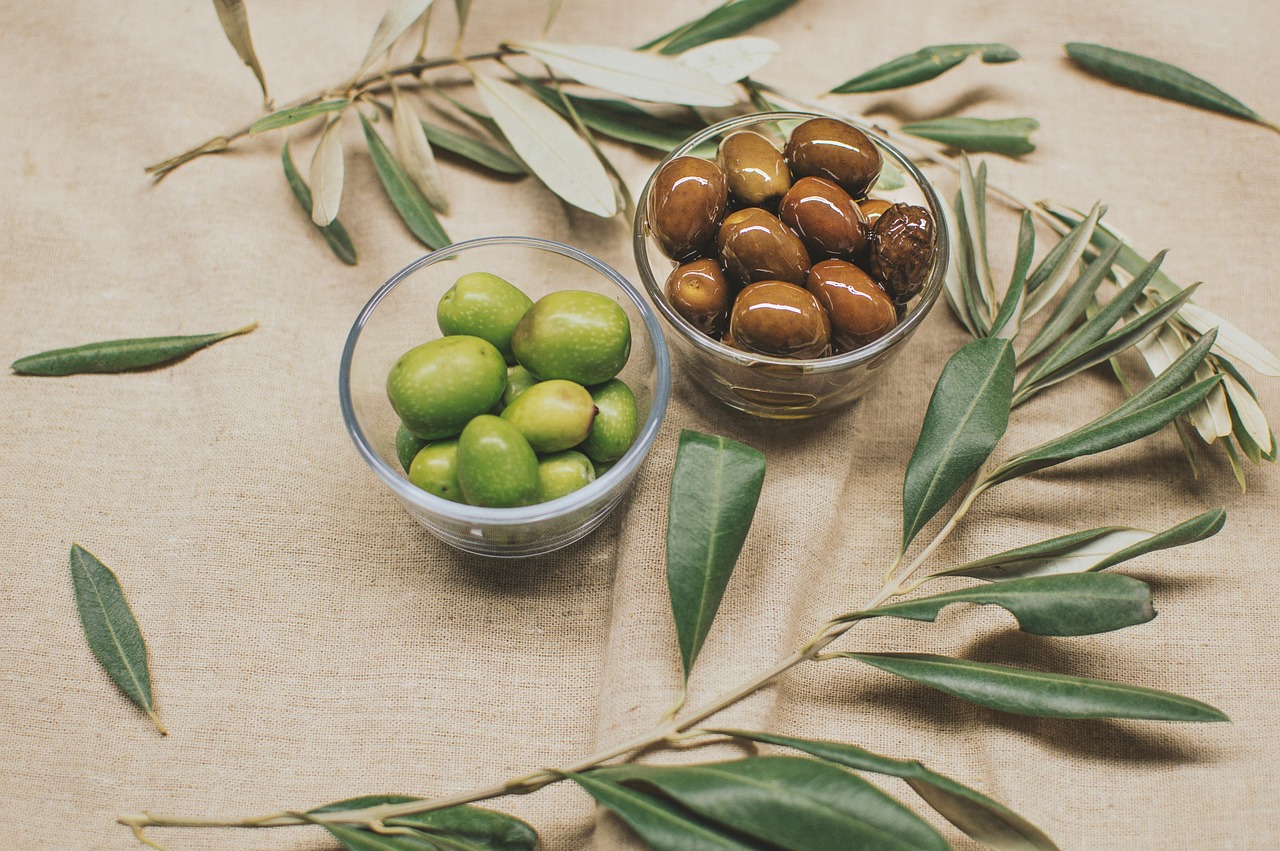
Early Harvest vs Late Harvest Olive Oils
How Harvest Timing Shapes Flavour, Structure, and Intensity
One of the most influential — and least understood — decisions in olive oil production happens before the olives ever reach the mill: when to harvest.
It’s easy to assume that quality comes down to varietal or terroir alone, but in reality harvest timing often has a greater impact on how an olive oil tastes, feels, and behaves than almost any other single factor.
Two oils made from the same olives, grown in the same grove and milled in the same facility, can taste entirely different simply because they were harvested weeks apart.
Understanding the difference between early-harvest and late-harvest olive oils is one of the quickest ways to become a more confident, informed olive oil user.
What Do “Early Harvest” and “Late Harvest” Actually Mean?
Olives do not ripen all at once. Over the course of the harvest season, the fruit gradually changes colour and internal composition.
Early harvest oils are made from olives picked while still largely green or just beginning to change colour. Late harvest oils come from riper olives, harvested later in the season.
There is no universal calendar date for either category. Harvest timing depends on climate, altitude, varietal, and seasonal conditions.
The Trade-Off Every Producer Faces
Harvest timing is always a compromise.
Early-harvest olives contain less oil by weight, which means lower yield and higher production cost. Late-harvest olives are richer in oil and easier to process efficiently.
This trade-off explains much of the difference between artisanal, quality-driven oils and mass-produced ones.
The real question is not which is better, but what experience you are looking for.
How Early Harvest Oils Taste
Early harvest olive oils tend to be bold, structured, and vibrant.
- Pronounced bitterness
- Clear peppery pungency
- Fresh green aromas such as grass, tomato leaf, artichoke, and green almond
- Higher perceived intensity
- Long, persistent finish
These traits are closely linked to higher levels of polyphenols, the compounds responsible for bitterness, pungency, and oxidative stability.
To the untrained palate, early harvest oils can feel aggressive at first, but with the right food their intensity becomes an advantage.
How Late Harvest Oils Taste
Late harvest oils are generally rounder, softer, and more immediately approachable.
- Lower bitterness and pungency
- Smoother mouthfeel
- Ripe fruit notes such as banana, stone fruit, and floral tones
- Shorter, gentler finish
- Greater perceived sweetness
When well made, late harvest oils offer elegance rather than power. They should still taste fresh and aromatic, never flat or dull.
Polyphenols, Stability, and Shelf Life
Harvest timing also affects how an oil ages.
Early harvest oils, with higher polyphenol content, tend to be more resistant to oxidation and maintain their character longer.
Late harvest oils generally contain fewer polyphenols and may lose freshness more quickly if poorly stored.
Regardless of harvest timing, proper storage away from light, heat, and oxygen is essential.
How Harvest Timing Affects Pairing
Understanding harvest timing becomes particularly useful in the kitchen.
Early harvest oils pair well with robust dishes that benefit from bitterness and pungency.
- Bitter greens
- Legumes and pulses
- Grilled or roasted vegetables
- Red meats and lamb
- Tomato-based dishes
Late harvest oils are better suited to delicate foods where subtlety matters.
- Delicate fish and shellfish
- Fresh cheeses
- Raw vegetables
- Simple salads
A Common Misconception About Smoothness
One of the most persistent myths about olive oil is that smoothness equals quality.
Bitterness and pepperiness are not defects when balanced and clean. They are indicators of freshness and phenolic content.
Learning to appreciate bitterness in olive oil is similar to learning to enjoy bitterness in coffee or dark chocolate.
What I Look For as a Curator
When selecting oils, I do not favour early or late harvest by default.
I look for coherence. An early harvest oil should feel intentional and balanced, not harsh. A late harvest oil should feel fresh and expressive, not flat.
The best producers understand their groves well enough to choose the right moment, not the fashionable one.
Conclusion
Harvest timing is one of the most powerful tools a producer has, and one of the most useful concepts a consumer can learn.
Early harvest oils offer intensity, structure, and longevity. Late harvest oils offer softness, roundness, and immediacy.
There is no single “best” olive oil. There is only the right oil for the moment, the dish, and your own taste.
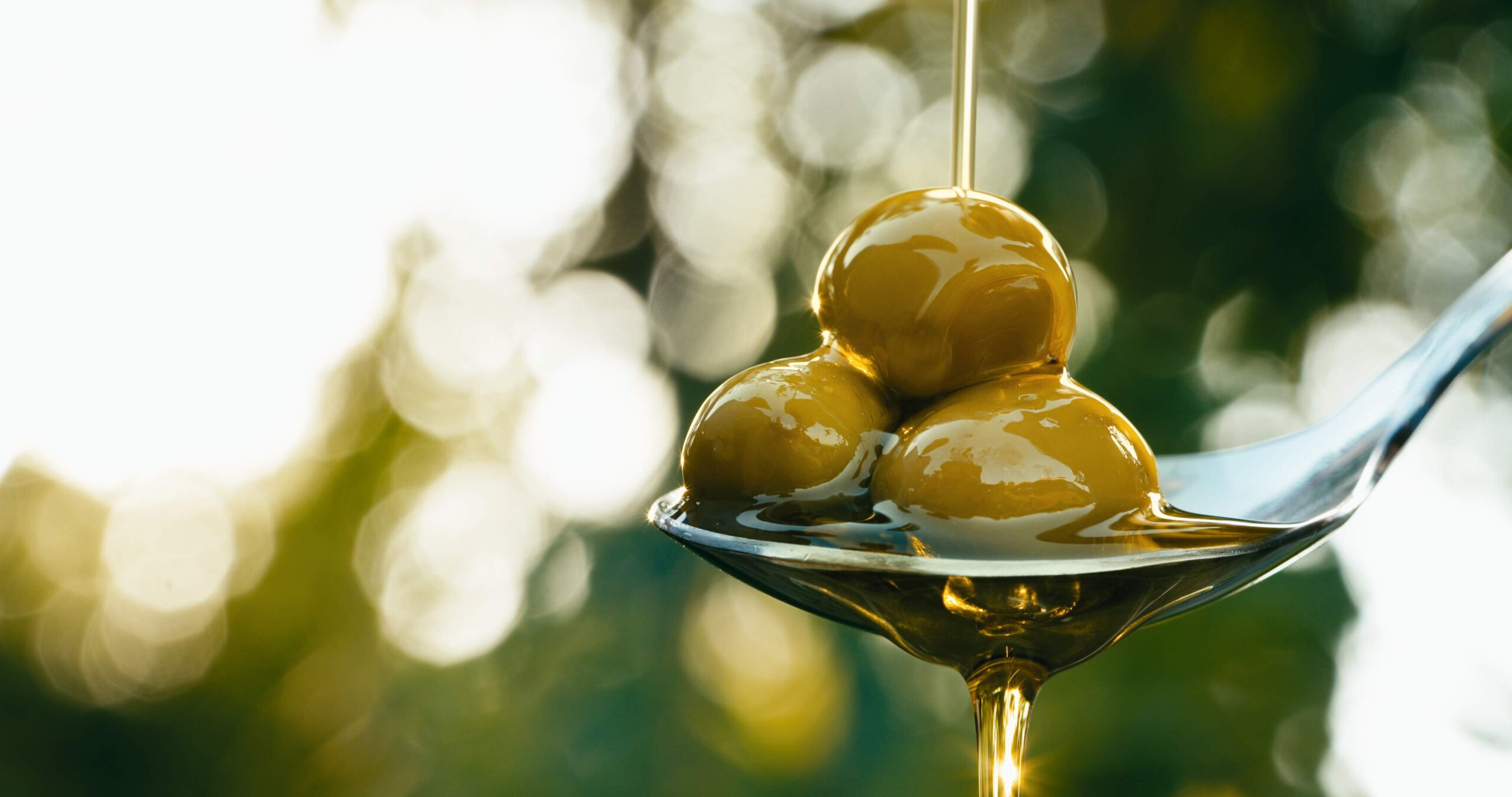
What Are Polyphenols?
Understand The Benefits, Taste & Pairings of Olive Oil’s Most Important Component
Most people don’t pay that much attention to the taste of olive oil on its own. We’re used to cooking with it or mixing it in with other ingredients. But next time you’re opening your bottle of Extra-Virgin Olive Oil, do me a favour and try a little taste first. What does it taste like to you? Is it peppery? Does it even sting a little in the throat? That taste and sensation is caused by polyphenols, which are natural antioxidants unique to high-quality Extra Virgin Olive Oils (EVOOs) and which many studies have shown to be key to unlocking olive oil’s incredible health benefits.
Polyphenols are a little-known but incredibly important component of olive oil that determine its flavour, freshness and health benefits. Understanding what they are, why they’re important for your health and how higher-polyphenol olive oils should be paired with food, will ensure you get the most from your olive oil.
I’ve written this article to give you a good overview of everything you need to know about polyphenols and why they’re an important consideration when purchasing olive oil.
The Science Behind Polyphenols
Polyphenols are what we call bioactive plant compounds that have incredible antioxidant and anti-inflammatory properties. There are four types found in extra virgin olive oils: oleocanthal, oleacein, hydroxytyrosol & tyrosol, and oleuropein & ligstroside aglycones.
Oleocanthal is responsible for that peppery taste you get in high quality olive oils, as well as the anti-inflammatory properties, while oleacein gives olive oil its bitterness and antioxidant properties.
Olives produce their polyphenols as a defensive mechanism against things like UV exposure, pests and environmental stress, almost like an immune response in a human body. The levels and ratios of these compounds in your olive oil can vary quite significantly depending on olive varietal, terroir and manufacturing processes.
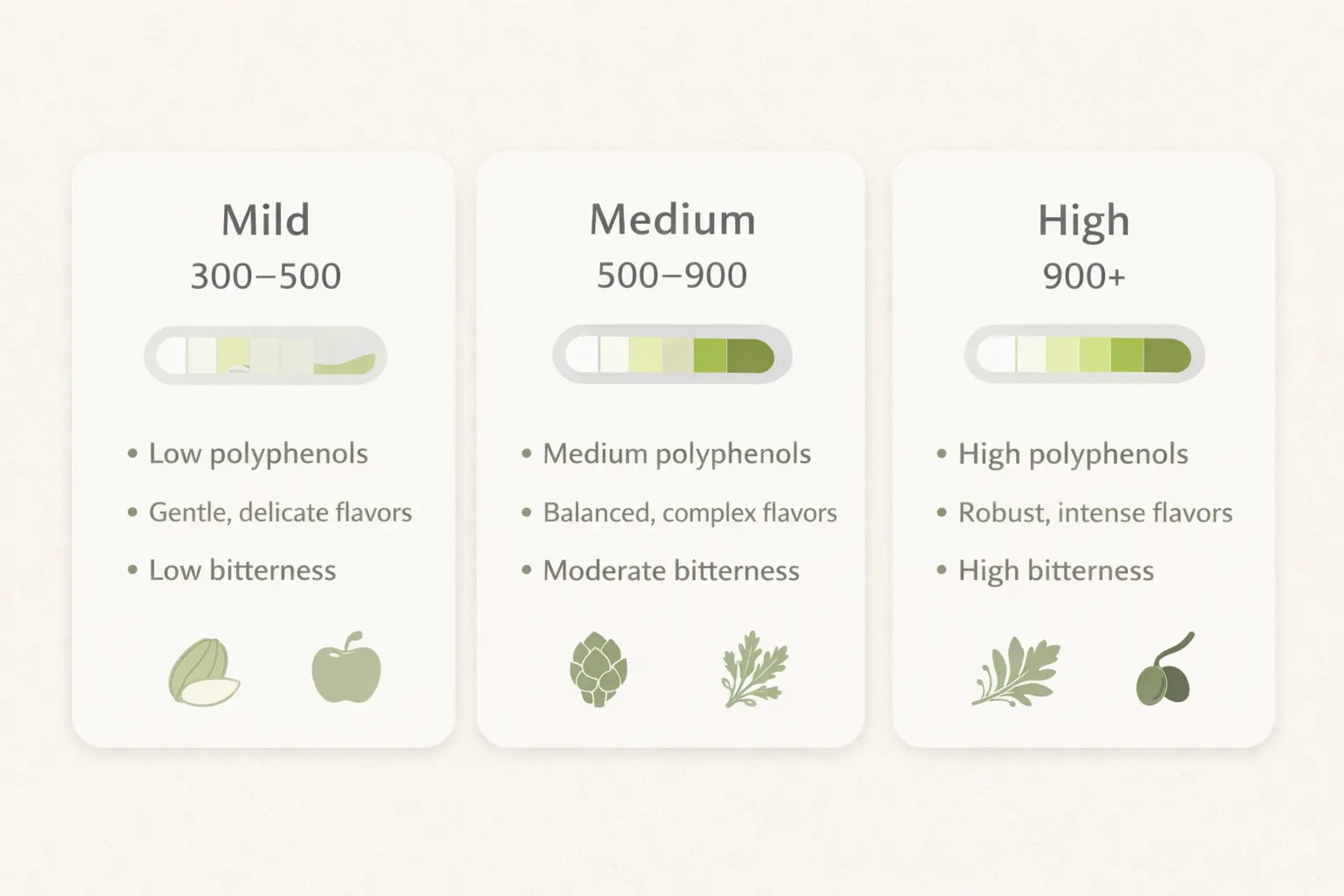
The Health Benefits of High-Polyphenol EVOO
The benefits of polyphenols for health and wellbeing are still being studied, however there has already been an immense amount of promising research to show its benefits. Here are a few of the potential health benefits from high-polyphenol extra virgin olive oils:
- Antioxidant activity: Polyphenols in extra virgin olive oil act as antioxidants, meaning they help protect the oil itself from oxidation and contribute to its stability and freshness. Scientific studies have also explored how dietary antioxidants may support the body’s natural defences against oxidative stress. While research is ongoing, EVOO is widely recognised—particularly in the Mediterranean diet—as a source of these naturally occurring compounds.
- Anti-inflammatory effects: One of the most studied polyphenols, oleocanthal, has been shown in laboratory environments to interact with some of the same pathways targeted by common anti-inflammatory compounds. This does not mean olive oil functions as a medication, but it does suggest a biological basis for the peppery “throat sting” associated with high-quality oils.
- Cardiovascular & metabolic benefits: Large nutritional studies—such as the PREDIMED trial—have examined extra virgin olive oil within the broader context of a Mediterranean dietary pattern. These studies found associations between EVOO consumption and improved cardiovascular outcomes when part of an overall balanced diet, though such findings cannot be attributed to olive oil alone. What the research does suggest is that EVOO’s combination of monounsaturated fats and naturally occurring polyphenols may contribute to the diet’s observed benefits.
- Cognitive & Neuroprotective potential: Emerging research is exploring how polyphenol-rich foods, including EVOO, may interact with biological processes related to ageing and cognitive function. Early studies point to potential antioxidant and anti-inflammatory pathways of interest, but this area of science is still developing and findings are not conclusive. It is safe to say that EVOO forms part of dietary patterns traditionally associated with long-term health in Mediterranean populations.
- Why concentration matters: Polyphenol levels naturally decline over time as the oil oxidises, which is why freshness is an important quality indicator. Oils made from early-harvest fruit and processed quickly tend to retain more of their original phenolic content, which supports both flavour intensity and chemical stability. Choosing a recent harvest ensures you experience the oil as the producer intended—vibrant, aromatic, and full of character.
Why High-Polyphenol Olive Oils Taste Different
It’s a common misconception about olive oils that bitterness or a peppery kick are not good qualities. Quite the opposite in fact. It is precisely the levels of oleuropein and oleocanthal polyphenols in olive oil that leads to those flavour notes, whereas a low polyphenol olive oil tends to have a soft, buttery, mild flavour. Freshness is also a key factor as olive oils lose their polyphenol levels overtime.
It’s important to note that a high-polyphenol EVOO is not always what you should be aiming to buy. While high-level olive oils will offer the most in terms of health benefits, they don’t pair as well with certain foods and can overpower a dish if you’re not careful. I’d still recommend having a few milder olive oils around for different circumstances.
Food Pairings for High-Polyphenol Olive Oils
For a quick guide to finding the right olive oil for a specific meal or ingredient, I’d recommend checking out this page or reading my Beginner’s Guide to Olive Oil Pairings. But for high-polyphenol olive oils, here are a few pointers about what foods pair well with it and which ones are less well suited.
Ideal Pairings
High-polyphenol olive oils tend to go well with other strong or rich flavours where they’ll really pop without being overpowering. I particularly enjoy using it in salads, with bitter greens like radicchio and cavolo nero, or with tomatoes that are either raw or cooked.
For heavier dishes with lentils or beans, as well as grilled meats such as lamb, high-polyphenol olive oils will nicely counterbalance the fats and protein-rich ingredients. Or, if you’re putting together a charcuterie board, these olive oils pair wonderfully with aged cheese.
Pairings to Avoid
It’s important to remember that your personal taste is more important than anyone else’s advice when it comes to pairings. As you become more comfortable matching olive oils to foods, you’ll form your own preferences about what you think works well together. But for my own tastes, I tend to prefer a milder olive oil with lower polyphenol levels for delicate fishes, mild cheeses and subtler dishes where a stronger olive oil risks overpowering it.
Why Modern Production Yields Higher Polyphenol Levels
Despite how ancient the practice of making olive oil is, modern technology is sparking a bit of a renaissance in how it is manufactured, which has helped producers to unlock many of the health benefits of polyphenols that were otherwise less potent.
Higher polyphenol olive oils in general are harvested earlier in the season, which has the tradeoff of a lower overall yield (which is why most cheap, mass-produced olive oil has far lower levels). However, this lower yield can be offset thanks to advances in milling to reduce oxidisation and precision agriculture that better manages irrigation, canopy growth and increases the overall health of the soil.
Many farmers are also experimenting with heritage and high-phenolic varietals of olives that were often disregarded before, but which can yield far higher levels of polyphenols. As technology and manufacturing processes continue to develop, who knows what new developments we may see in the world of extra virgin olive oils.
Choosing a High-Polyphenol Olive Oils
The information provided on olive oil bottles can vary quite a bit, so it's hard to always know what to look for when buying high-polyphenol olive oil. But a good rule of thumb I use is to look for a recent harvest date. Some specialist or premium manufacturers will include information about polyphenol content, but you can also look for tasting notes that include the characteristic bitterness and peppery taste.
What you should avoid in these cases are clear bottles (sunlight can cause a rapid loss of polyphenol levels), old harvest dates (more than a year from purchase date) or olive oil that has a lighter colour.
From my stock, these are a few high-polyphenol olive oils I’d recommend you try:
Conclusion
While there’s still a lot to be understood about polyphenols and their impact on our health and wellbeing, the existing science has shown it to be an incredibly important component in unlocking the full health benefits of olive oil.
As olive oil farming and manufacturing techniques continue to innovate, we’re seeing far more varieties of olive oil becoming available, many of which offer far higher levels of polyphenols than were previously thought possible.
While high-polyphenol olive oils do not always pair well with certain foods, for richer or spicier dishes, it can add an incredibly unique flavour element that can transform a good dish into a great one.
Since learning about high-polyphenol olive oils, I personally have come to love that sharpness you get in these varieties, and have made a point of curating a selection of some of my favourites, available here.
Further Reading
- Covas (2007), Pharmacol Res — bioactive effects of EVOO phenolics.
- Parkinson & Cicerale (2016), Nutrients.
- EFSA health claim: ≥5 mg hydroxytyrosol per 20 g EVOO protects LDL.

Travelling Italy Through Olive Oil
Nick’s journeys across four regions, their terroirs, and the cultivars that define them
One of the privileges of curating olive oil is that it forces you to slow down and go to the source. You can’t truly understand an oil from a catalogue or a tasting note alone. You have to walk the groves, feel the climate, and talk to the people who make decisions tree by tree, harvest by harvest.
Over the years, my travels through Italy have taken me to four very different olive-growing regions: Tuscany, the Lake Garda area, Campania, and Puglia. Each represents a distinct olive oil identity shaped by climate, landscape, cultivars, and centuries of local practice.
What follows isn’t a technical atlas, but a travel diary of flavours: how these territories express themselves in oil, and why they matter.
Tuscany
Structure, elegance, and the language of bitterness
Travelling through Tuscany, you quickly understand why its olive oils are so recognisable. The landscape is dominated by rolling hills, inland valleys, and groves that sit at moderate altitude, often exposed to strong seasonal temperature shifts. Winters can be cold, summers dry, and rainfall irregular—conditions that naturally favour oils with structure and grip.
The backbone of Tuscan olive oil is formed by cultivars such as Frantoio, Moraiolo, and Leccino. Moraiolo thrives under stress and often produces oils with pronounced bitterness and pungency. Frantoio contributes aromatic complexity and green herbal notes, while Leccino can soften a profile with rounder fruit.
In Tuscan oils, bitterness and pepperiness are not smoothed away but embraced. Aromas often recall artichoke, wild herbs, green almond, and fresh-cut grass. These are oils that demand food and shine with legumes, grilled vegetables, and meat-based dishes.
Many Tuscan producers harvest relatively early, prioritising freshness and phenolic structure over yield. The result is an olive oil style that feels architectural: balance achieved through contrast rather than softness.
Lake Garda Area
Delicacy at the edge of possibility
The Lake Garda region is one of the most surprising olive oil territories in Italy. It sits at the very northern limit of viable olive cultivation, where latitude alone would suggest olives shouldn’t exist at all. And yet, thanks to the moderating effect of the lake, a unique microclimate emerges.
Cold alpine air is softened by the water, creating mild winters and steady breezes that protect the trees. The growing season is long and gentle, and olives ripen slowly—conditions that can produce oils with extraordinary finesse.
The dominant cultivar here is Casaliva, closely related to the broader Frantoio family but uniquely expressive in this context. Garda oils are typically delicate: low bitterness, minimal pungency, and a smooth, almost creamy mouthfeel. Aromas lean toward sweet almond, apple, soft herbs, and occasionally floral notes.
These are oils of restraint. They are not designed to dominate a dish but to support it. Raw vegetables, light cheeses, and simple preparations allow Garda oils to show their quiet precision.
Campania
Volcanic energy and aromatic complexity
Campania is one of Italy’s most complex olive oil regions, both geographically and sensorially. Volcanic soils, coastal plains, inland hills, and mountainous areas coexist within a relatively compact territory. The presence of Mount Vesuvius and other volcanic systems gives rise to mineral-rich soils that can shape distinctive aromatic profiles.
Among the standout cultivars here are Ravece, Ortice, and Ogliarola Campana. Ravece, in particular, can produce oils with remarkable aromatic intensity—often marked by tomato leaf, green apple, herbs, and citrus lift—supported by firm bitterness and clean pungency.
Campanian oils often feel energetic rather than aggressive. There’s a brightness and clarity to the aromatics that sets them apart, especially in oils produced at altitude. Many producers balance early harvesting with a desire to preserve fragrance, resulting in oils that are expressive without being overpowering.
At the table, these oils are versatile and pair beautifully with vegetables, seafood, and the region’s famously vibrant cuisine.
Puglia
Power, longevity, and ancient groves
Puglia is impossible to ignore. Vast plains of ancient olive trees stretch as far as the eye can see, some centuries old, their twisted trunks bearing witness to long-standing traditions of cultivation. This is Italy’s largest olive oil–producing region and one of the Mediterranean’s most significant olive landscapes.
The defining cultivar here is Coratina, a variety capable of producing oils of extraordinary intensity. Coratina oils are often high in polyphenols, with pronounced bitterness and pungency, and notes that can include chicory, green olive, artichoke, and wild greens. These are oils with serious structure and impressive oxidative stability.
The climate in Puglia is hot and dry, which encourages producers to harvest early if they want freshness and balance. When handled carefully, the result is a powerful but controlled oil, capable of standing up to rich dishes and robust flavours.
Puglia taught me that boldness, when intentional, is not a flaw. These oils are not designed to please everyone immediately—they’re designed to endure, both chemically and gastronomically.
Four Regions, One Philosophy
Travelling through these four territories reinforced a simple truth: there is no single model for great olive oil. Quality emerges when terroir, cultivar, and human decision-making align.
- Tuscany shows how bitterness and structure can be elegant
- Lake Garda proves delicacy can be profound
- Campania demonstrates how complexity grows from diversity
- Puglia embodies power rooted in tradition and resilience
The role of The Olive Library is not to rank these regions, but to present them honestly as distinct voices in a broader conversation about olive oil.
Taste them side by side, and Italy reveals itself not as one olive oil country, but as many.
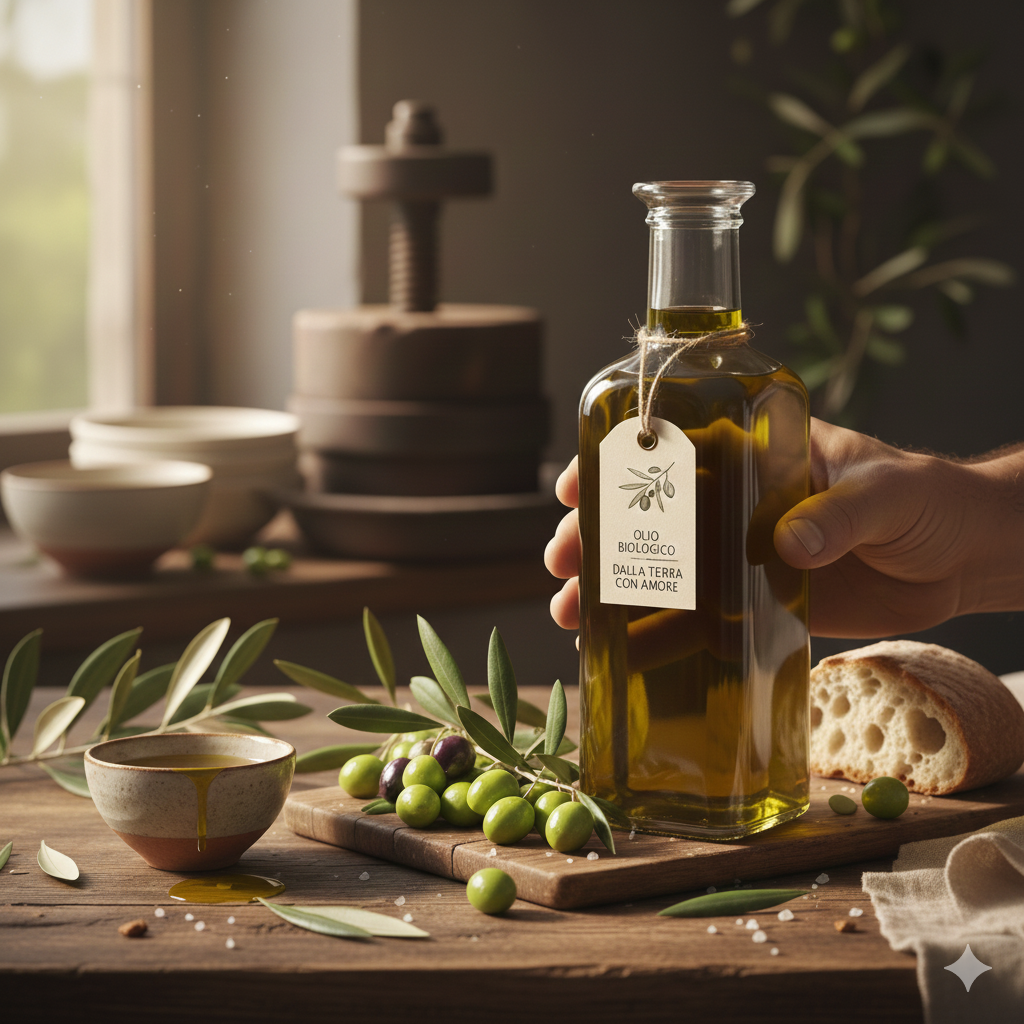
A Beginner’s Guide to Olive Oil Tasting
Most people don’t put much thought into how olive oil tastes because most of the time we consume it, it’s been mixed with other ingredients or used for cooking, where its flavours are lost or hidden with other notes. To be honest, until I began this journey, I didn’t give it much thought either. Olive oil was just olive oil. Then I took a tasting course and it completely changed my perception of what olive oil could be and how you can learn to taste it as a skill, much like with wine or high-end coffee varieties.
Why learn this, you may wonder? Well, if you’re starting to pay more attention to the types of olive oils you buy, looking to pair them better with different foods or wanting to benefit from the numerous health benefits that it offers, knowing how to properly taste olive oil is one of the best ways to identify its qualities.
This is a skill I am still developing myself, and people can spend years and years cultivating an expertise in olive oil tasting. But with this article, my aim is to share some of my knowledge and give you the fundamentals to get started.
3 Things To Know About Olive Oil Tasting
There’s a lot to know as you deepen your knowledge of olive oil tasting, but in the beginning let’s stick to the most important facts. These are three key pieces of information to help you get started with olive oil tasting.
1: Freshness Is Vital
Unlike wine, where age is generally seen as being related to taste quality, with olive oil freshness is one of the most important factors impacting taste and health benefits. Over time, the antioxidants and other elements in olive oil start to deteriorate and lose their potency. Before you even consider buying a higher-end olive oil for tasting, make sure its been harvested within the last 12–18 months of purchase. Any older than this and you can expect to see a significant drop in quality.
2: The Three Core Attributes of Flavour
When you’re tasting olive oil, you’re generally assessing three key attributes of its taste:
- Fruitiness
- Bitterness
- Pungency (also called pepperiness)
These are what the International Olive Oil Council (IOC) refers to as “positive attributes” of an olive oil that are directly related to its terroir, harvest time and methodology, varietal and more. I’ll explore these positive attributes a little more later on in the article.
3: Why the Blue Glass?
If you go to a tasting class or watch a professional conducting a tasting, you’ll notice that they tend to use a blue glass. While this is not essential for you to use, what it does is eliminate what we call “colour bias” which is when people incorrectly assume the colour of the olive oil is always directly related to its quality. By tasting from a blue glass, it works similarly to those who use a blindfold when tasting wine, to make sure they’re focusing just on taste and nothing else.
How to Taste Olive Oil: A Step-by-Step Guide
Tasting olive oil the proper way isn’t quite as straight forward as you might think. Especially in the preparation stage, there are a few small things you should do to ensure you get the best possible experience from your tasting.
- Step 1: Pour a small amount into your tasting glass. If you don’t have a professional one, a shot glass or stemless wine glass will do. Then cover the glass with you hand to trap aromas inside.
- Step 2: Warm the oil by gently swirling the glass in your hand for 10–15 seconds. We do a similar step with red wine to help volatilise the compounds in the olive oil that give it its aroma.
- Step 3: Smell your olive oil. This is called “the first judgement”. Inhale deeply and make a note of the kinds of notes you detect. Look for scents like grass, tomato leaf, almond, artichoke, citrus, herbs, green banana, or ripe fruit. Smells like crayons, putty, wax or mustiness indicate that your oil has gone rancid and should not be used.
- Step 4: Take a small sip of your oil and then aerate it in your mouth by slurping or drawing air in with the oil without swallowing. What this does is spread the aroma of the oil across your palate to ensure it reaches the most tastebuds. This is also when you’ll tend to pick up th most bitterness and pungency from the polyphenols.
- Step 5: Swallow your oil and evaluate the aftertaste. Some people will spit their olive oil like with a wine tasting, but I prefer just to enjoy it and not waste anything. In the aftertaste is when you’ll be able to really see how good your olive oil is. If there’s a longer, more complex aftertaste, then the oil tends to be of higher quality.
What Positive Flavour Notes to Look For
Everyone will have a slightly different interpretation of what they think the positive notes in their olive oil smell and taste like. But this is a good overview of some of the types of flavour categories olive oil tasters tend to use and what notes you can look for in each.
Green & fresh notes:
- Grass, green apple, artichoke, tomato leaf, herbs, green almond
- Usually found in early-harvest, high-polyphenol varietals (e.g., Koroneiki, Picual)
Fruity & ripe notes:
- Ripe banana, stone fruits, floral notes
- Often softer varietals (e.g., Arbequina)
Nutty, warm, or rounded notes
- Almonds, soft herbs, butteriness
- Common in later-harvest oils or delicate cultivars
I recommend first seeing if you olive oil bottle offers any tasting notes on the label and see if you can identify them. Then, once you’re more comfortable with the tasting method, try just seeing what you can detect on your own.
COMMON DEFECTS & HOW TO IDENTIFY THEM
Just as important as identifying positive tasting notes are the negative ones, which will alert you to defects in your olive oil. These can arise from oils that are too old, were incorrectly stored or not manufactured correctly. Here are a few of the most common types of defects you might encounter and how to identify them:
- Rancidity: This is caused by oxidation from oil that is too old or poorly stored. Look for the smell of crayons, old nuts, or wax
- Musty / fusty: This is a result of improper manufacturing processes, where the olives have not been stored properly before milling. Look for a damp basement or muddy smell
- Winey / vinegar: This is caused by fermentation in the bottle, which is a result of bacterial contamination. If your oil smells sour, then it has fermented and you shouldn’t use it
- “Metallic,” “muddy sediment,” or “heated” defects: This is again a potential result of production or storage issues and indicates that your oil should not be used
How Varietals Influence Flavour
One of the best things about monovarietal olive oils like the one I carry is that they embrace rather than hide the unique characteristics of each varietal and producer. The more attention you pay to things like flavour notes and pairings, the more enjoyable you’ll find it to use monovarietals rather than blends. Here are a few of the ways that different varietals can influence the flavour of your olive oil:
- High-polyphenol varietals: These are one like ****Koroneiki, Picual, Tonda Iblea, which tend to have a peppery, bitter, robust taste
- Medium-intensity varietals: Look for varietals such as Frantoio or Moraiolo, which are more balanced and feature notes of fruitiness and spice
- Delicate varietals: Two popular varietals with a more delicate profile are Arbequina and Taggiasca, which are soft, buttery and have notes of ripe fruit
Terroir influence is also a big factor in how a varietal will taste. These influences include: altitude, soil, climate, irrigation all change flavour — similar to wine.
How to Build Your Olive Oil Tasting Palatte
The best way to build your olive oil tasting palette is time and repetition, but if you need a bit more of a concrete guide on how to build your knowledge and tastes, here are a few steps I recommend following:
- Taste side-by-side: This is the fastest way to learn how to identify distinct differences from one olive oil to another. Try using 2–3 oils at once and following the tasting method from earlier
- Compare intensities: Taste your olive oils with a specific focus on identifying what you think is lighter versus medium and more robust. Try doing it without reading notes from the bottle labels to see what you feel fits into each category
- Keep a tasting journal: For each olive oil you try, try keeping some notes about what you taste, what you’ve paired it with and other details. Whatever comes into your head really! Ultimately, this is about personal preference so being able to remember what you felt about each oil you try is important to make sure you can find the ones you liked again or remember a particularly special pairing you might’ve tried
Conclusion
This is just a starting point on your journey learning how to taste olive oils like a professional. I’ve got a head start on many of you and still I find there’s so much I’m learning all the time about different olive oils and the incredible variety of flavours there are to experience. Like wine tasting, this can easily become a lifetime passion for those who find it interesting.
While I of course all the advice I’ve given here is useful to you, I also recommend trusting your own instincts, tastes and preferences as you explore this incredible world of olive oils. Ultimately, above all things, it should taste good and bring you enjoyment!
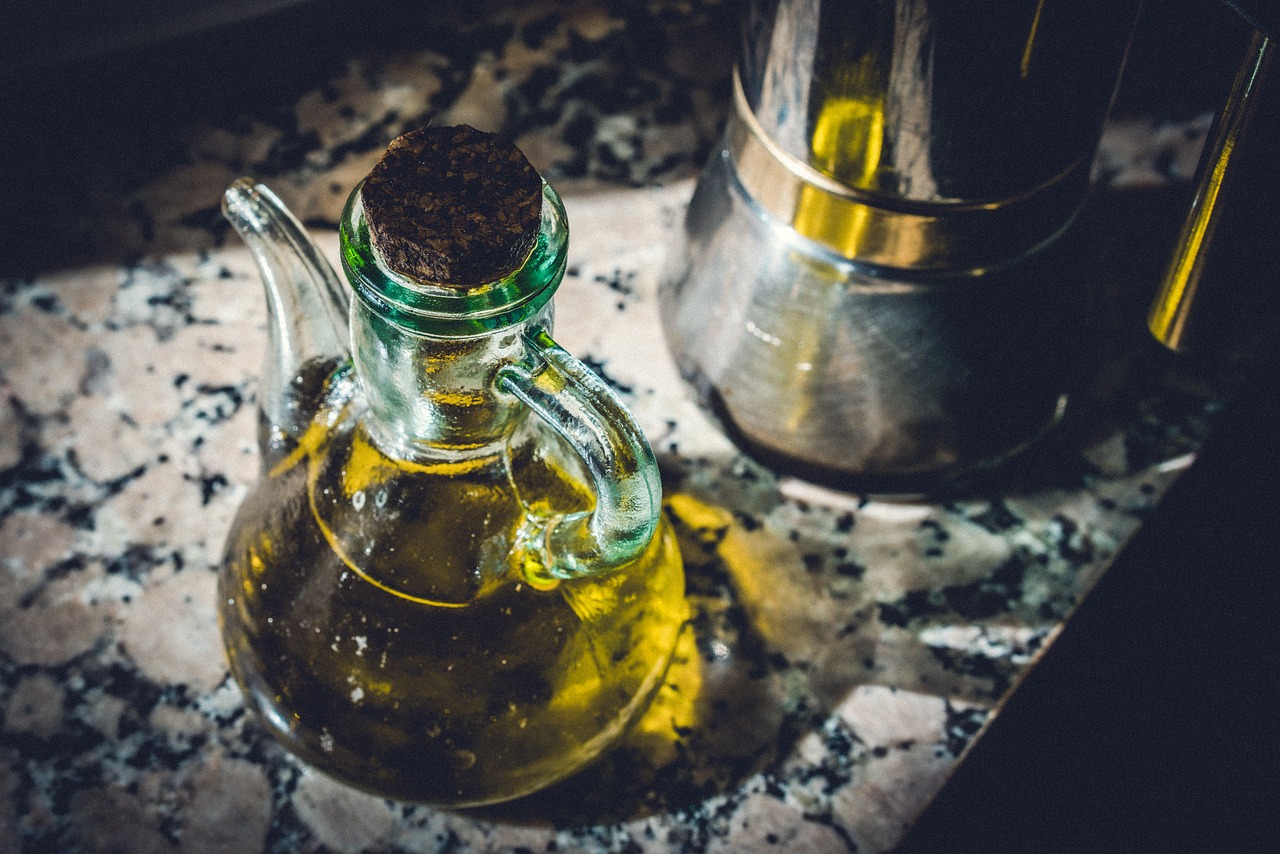
Pairing Olive Oil Like an Ingredient, Not a Condiment
How to Match Intensity, Texture, and Flavour for Better Cooking and Tasting
One of the most common mistakes people make with olive oil is treating it as something neutral — a background fat that simply carries other flavours. We drizzle it on everything, cook with it automatically, and rarely stop to ask whether the oil itself is actually helping the dish.
For a long time, I did the same.
But once you start tasting olive oil on its own, and once you begin to understand how different oils behave in terms of bitterness, pungency, aroma, and structure, it becomes clear that olive oil works best when it’s treated like an ingredient in its own right, not a generic finishing touch.
Just as you wouldn’t pair the same wine with every dish, you shouldn’t expect one olive oil to suit everything either.
Why Olive Oil Pairing Matters
Extra virgin olive oil brings more than fat to a dish.
- Aromatics
- Bitterness
- Pungency
- Mouthfeel
- Length and finish
When an oil is mismatched, it can overpower delicate ingredients or disappear entirely in robust dishes. When it’s well matched, it integrates seamlessly and enhances the overall experience.
Think in Terms of Intensity
The most useful concept in olive oil pairing is intensity.
Instead of memorising rules, start with a simple question: is the dish delicate, medium, or robust?
Once you frame food this way, choosing the right oil becomes much easier.
High-Intensity Oils
High-intensity olive oils are often early harvest and high in polyphenols. They are characterised by pronounced bitterness, peppery pungency, and vivid green aromas.
They work best with dishes that offer richness or strength.
- Bitter greens such as radicchio or chicory
- Legumes and pulses
- Grilled or roasted vegetables
- Red meats, lamb, and game
- Tomato-based dishes
- Aged cheeses
In these contexts, bitterness adds structure and pungency cuts through fat. Used with delicate foods, however, these oils can overwhelm subtle flavours.
Medium-Intensity Oils
Medium-intensity oils offer balance and versatility.
They typically show moderate bitterness and gentle pungency, with enough fruitiness to adapt to a wide range of dishes.
- Grilled poultry
- Roasted vegetables
- Pasta dishes
- Eggs
- Semi-hard cheeses
- Warm salads
If you’re unsure which oil to reach for, a well-made medium-intensity EVOO is often the safest and most flexible choice.
Delicate Oils
Delicate olive oils are typically made from riper fruit or naturally mild cultivars.
They have lower bitterness and pungency, a softer mouthfeel, and gentle aromatics.
- Raw fish and shellfish
- Fresh cheeses such as ricotta or burrata
- Simple salads
- Steamed or lightly cooked vegetables
- Finishing soups and purées
Delicacy should never be confused with age. A delicate oil should still taste fresh and clean.
Texture Matters
Beyond flavour, olive oil has texture.
Some oils feel sharp and linear, others round and coating. This affects how they interact with food.
A structured oil can anchor a dish, while a lighter oil can lift it and keep it feeling fresh.
Raw vs Cooked Applications
High-quality olive oil is not reserved only for raw use.
Extra virgin olive oil is relatively stable thanks to its fatty acid profile and antioxidant content.
That said, pairing still applies.
- Use robust oils for cooking with strong flavours
- Reserve the most aromatic oils for finishing dishes
Cooking integrates flavour, while finishing expresses it.
Building a Purposeful Collection
You don’t need many bottles to pair olive oil well.
A small, intentional selection covers most needs.
- One high-intensity oil for robust dishes
- One medium-intensity oil for everyday cooking
- One delicate oil for subtle, raw applications
Trust Your Taste
Guidelines are useful, but personal preference matters.
Taste your oils on their own and with food. Notice what works and what doesn’t. Over time, your own pairing instincts will develop.
Conclusion
Treating olive oil like an ingredient rather than a condiment changes how you cook.
It brings intention to everyday meals and helps olive oil take its rightful place alongside other carefully chosen ingredients.
Once you start pairing olive oil thoughtfully, it stops being invisible and becomes part of the conversation on the plate.
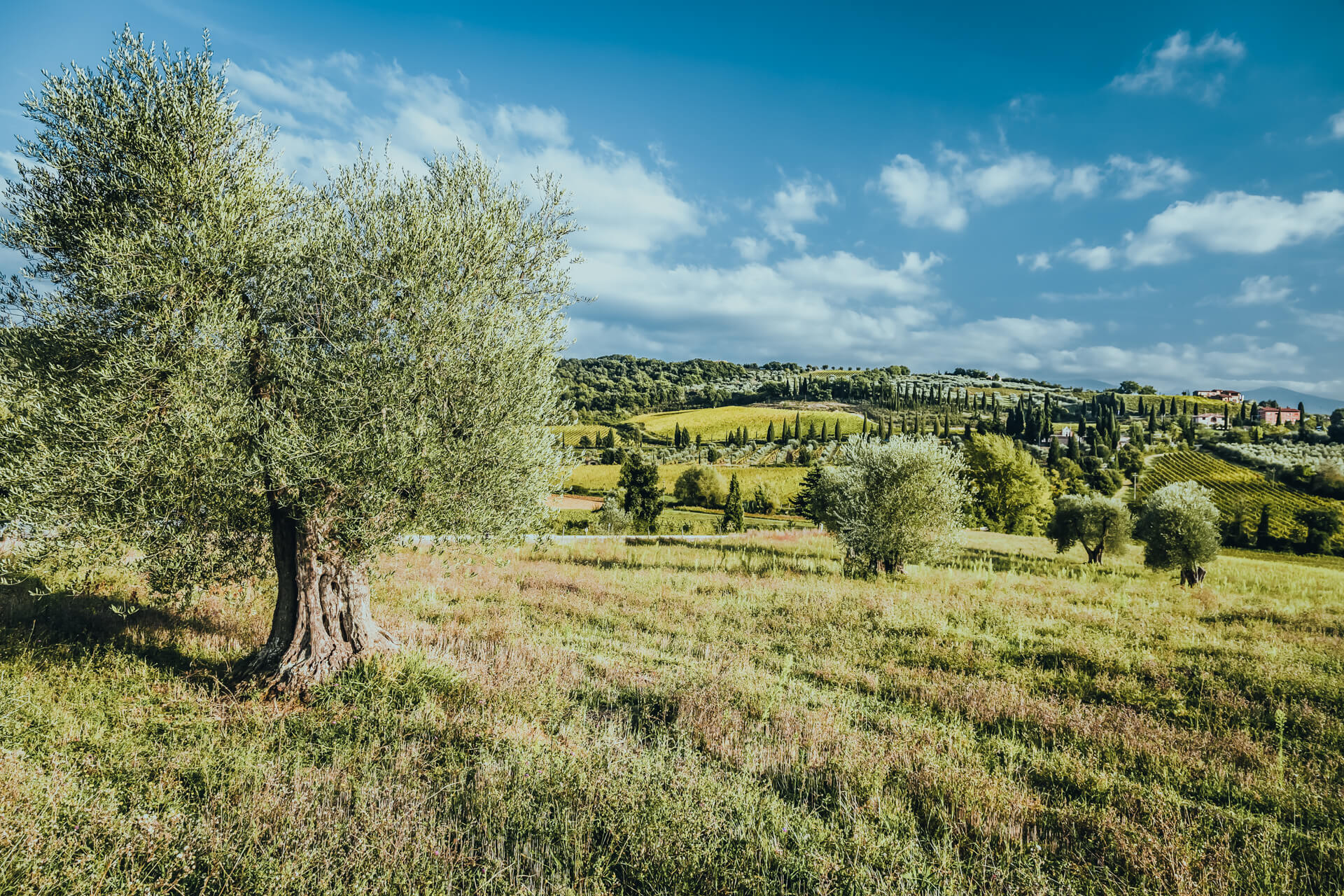
How Terroir Shapes Olive Oil Flavour
Why Geography, Climate, and Soil Matter as Much as the Olive Itself
When people first start exploring high-quality olive oil, the focus almost always falls on the olive varietal. And rightly so — cultivar plays a huge role in determining flavour, intensity, and aromatic profile. But as I’ve travelled more widely through Italy and tasted oils in context, one thing has become increasingly clear: varietal alone never tells the full story.
Two oils made from the same olive can taste radically different.
That difference is terroir.
The word is borrowed from wine, of course, but it applies just as meaningfully to olive oil. Terroir is the sum of environmental factors that shape how a plant grows and expresses itself: climate, altitude, soil, exposure, rainfall, and even local agricultural traditions.
In olive oil, terroir doesn’t override the varietal — it interacts with it, amplifying certain traits and muting others. Understanding terroir is one of the most powerful ways to make sense of why olive oils taste the way they do.
What “Terroir” Really Means in Olive Oil
In simple terms, terroir is geography you can taste.
- Climate: average temperatures, seasonal swings, and sunlight
- Altitude: which affects ripening speed and aromatic development
- Soil composition: limestone, clay, volcanic ash, sand
- Water availability: rainfall patterns and irrigation practices
- Exposure: coastal winds, inland heat, hillside orientation
Olive trees are remarkably resilient, but they respond clearly to stress and environment. Slower ripening and moderate water stress often result in oils with greater aromatic clarity and structural definition.
None of these outcomes are inherently better. They are simply different expressions of place.
Why the Same Olive Can Taste Completely Different
One of the most instructive experiences I’ve had while travelling was tasting oils made from the same varietal, harvested at similar times, but grown in very different regions.
The difference wasn’t genetic. It was environmental.
- A Frantoio grown at higher altitude often produces sharper, more herbaceous oils
- The same Frantoio closer to the coast tends to feel rounder and more aromatic
Terroir influences balance, aromatic profile, perceived intensity, and finish. Once you start tasting with this in mind, olive oil stops feeling random.
Climate as the Foundation of Flavour
Climate is the broadest and most influential factor shaping olive oil character.
In cooler climates, or regions moderated by altitude or large bodies of water, olives ripen more slowly. These oils often show brighter green notes and greater freshness perception.
In warmer climates, olives ripen more quickly, often producing oils that are bolder, more robust, and higher in bitterness and pungency.
What matters most is not warmth or coolness in isolation, but how producers respond to these conditions — particularly when deciding when to harvest.
Altitude and Temperature Swings
Altitude introduces significant variation between day and night temperatures.
Cooler nights slow metabolic processes in the olive, helping preserve aromatic compounds and freshness. Oils from higher elevations often feel more precise and linear, with clearer flavour definition.
Lower-altitude groves tend to yield broader, rounder oils, especially when nights remain warm.
Soil: The Quiet Contributor
Soil affects olive oil indirectly by influencing water retention, nutrient availability, and root stress.
- Limestone-rich soils are often linked to structured, focused oils
- Volcanic soils can produce oils with depth and savoury intensity
- Sandy or coastal soils often yield lighter, more aromatic oils
Soil interacts closely with rainfall and irrigation, shaping how olives develop during the growing season.
Terroir and Human Decisions
Terroir sets the stage, but technique determines the outcome.
Harvest timing, milling discipline, oxygen management, and storage practices all influence whether terroir is expressed clearly or lost.
This is why terroir should never be used as an excuse. Place offers potential; human decisions realise it.
Learning to Taste Terroir
You don’t need to be an expert to start recognising terroir. You just need to taste attentively.
- Taste oils side by side from different regions
- Focus on structure rather than sheer intensity
- Notice green versus ripe flavour profiles
- Pay attention to balance and length
Over time, you’ll begin to associate flavour patterns with places.
Conclusion
Terroir is not a romantic abstraction. It is a practical framework for understanding why olive oil tastes the way it does.
As I’ve travelled across Italy, tasting oils at their source, I’ve come to see terroir as a conversation between land and producer. When that conversation is respectful and well managed, the oil carries a sense of place that no amount of marketing can fabricate.
At The Olive Library, terroir matters because it gives meaning to flavour. It explains diversity, encourages curiosity, and reminds us that olive oil is not a uniform product — it is an agricultural expression of place.