

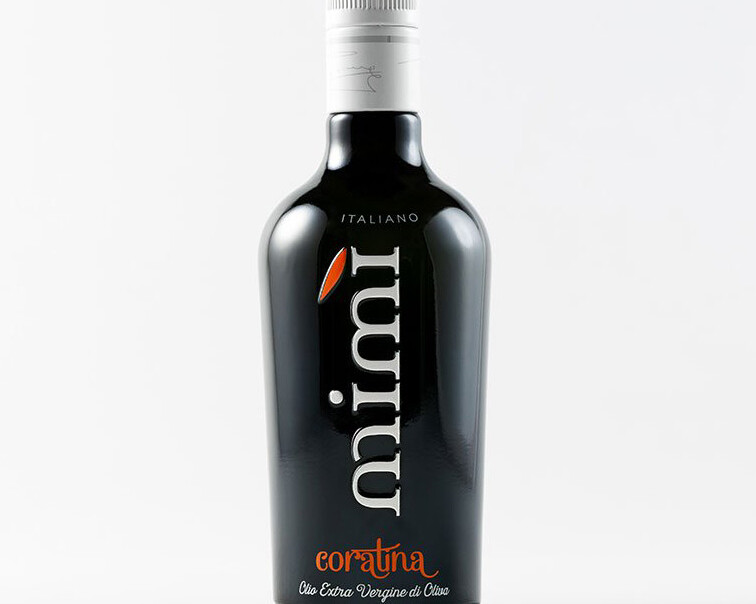
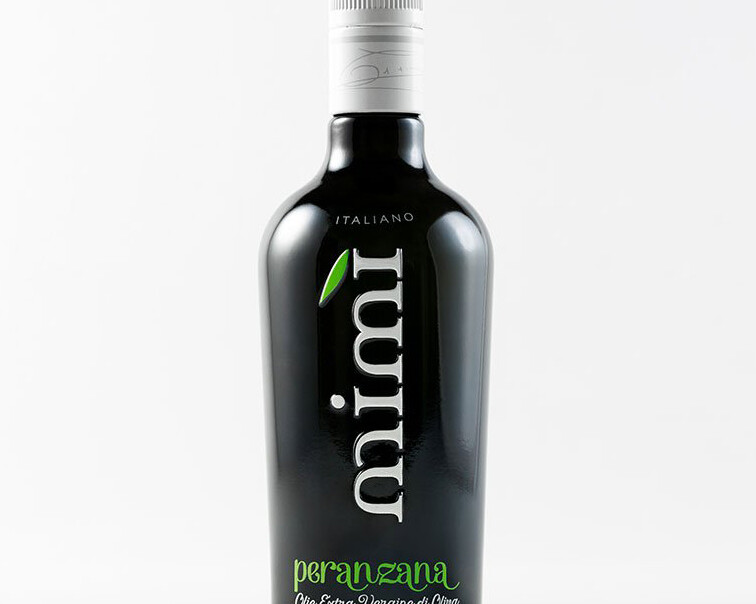
Why I Started The Olive Library, What I Look For in a Producer, and What Makes an EVOO Truly Special
For most of my life, olive oil was just… olive oil. A kitchen staple. Something you bought, used, and rarely thought about beyond “does it taste decent?” Like many people in the UK, I grew up seeing it as a reliable, healthy fat — a nice upgrade from vegetable oil — but not something you’d ever treat with the same curiosity you might give to wine, coffee, or cheese.
That changed the moment I started tasting it properly.
I don’t mean a quick drizzle on a salad. I mean actually tasting it: warming it slightly, smelling it, aerating it on the palate, noticing bitterness and pepperiness, and realising that what I’d always assumed was “too strong” was often a marker of freshness and quality. Suddenly, olive oil stopped being a background ingredient and became a product of place — an agricultural expression of climate, cultivar, harvest timing, and human decisions at the mill.
And once you see olive oil that way, you can’t unsee it.
The Olive Library began as a personal journey to understand what makes an extra virgin olive oil genuinely exceptional — and to build a collection of Italian oils that are not only delicious, but transparent, traceable, and made with care. That journey took me across Italy, from small family farms to meticulous mills, from coastal groves shaped by salt winds to high-altitude terraces where trees cling to stony ground.
This article is about why I travel, what I look for, and what I’ve learned along the way — not as a final authority, but as someone still learning, still tasting, still chasing that moment when an oil tells you exactly where it comes from.
Why Go to Italy at All?
There’s a practical answer: to find oils that aren’t widely exported, made by producers who prioritise quality over scale.
But there’s a more important answer: because olive oil cannot be properly understood from a spreadsheet.
You can learn a lot from technical sheets — cultivar, altitude, harvest period, extraction method, phenolic analysis — and I care about those things. But olive oil is also a living agricultural product, and the difference between “good” and “extraordinary” often sits in details you only grasp in person.
- How quickly the olives are milled after picking
- How clean and well-managed the mill is during harvest rush
- The producer’s attitude toward oxygen, heat, and time — the three enemies of freshness
- Whether the grove is treated like an industrial input or a living ecosystem
- How the oil actually tastes, in the producer’s own context, at the moment it’s born
Travel lets you connect flavour to reality. It gives you context: the soil under your feet, the weather patterns that shaped the year, the reason a producer chose to harvest early or late, the economic trade-offs behind every quality decision.
And frankly, it keeps you honest. If you’re curating oils from behind a screen, it’s easy to drift into marketing language. When you’re standing with a producer at six in the morning in a cold grove, watching fruit being picked and hauled to the mill, the story becomes much simpler: did they do it properly?
What “Extra Virgin” Really Means (and What It Doesn’t)
At its best, extra virgin olive oil is defined by mechanical extraction, low free acidity, and the absence of sensory defects. It should be fruity, clean, and free from flaws like rancidity, mustiness, or vinegar notes.
But meeting the baseline definition of “extra virgin” doesn’t automatically mean an oil is remarkable. It simply means it passes the threshold.
What I’m looking for goes beyond compliance. I want oils that feel alive — oils with clarity, structure, aroma, and a finish that lingers in a way that makes you pause.
In the end, the deciding factor is always the same: does it taste like something you’d want to keep tasting?
The Three Things I Look For First
Freshness
Olive oil is not like wine. Age is not a virtue.
Over time, aromatics fade, bitterness softens, and balance collapses. That’s why harvest date matters far more than best-before date. Oils from recent harvests, stored properly in stainless steel with minimal oxygen exposure, always have an advantage.
Process Discipline
Quality is incredibly sensitive to timing. Olives begin to degrade the moment they’re picked, especially if bruised or left in piles.
- Speed from tree to mill
- Cleanliness of equipment
- Temperature control during extraction
- Oxygen management throughout the process
There’s romance in old groves, but producing excellent olive oil requires modern discipline.
Transparency and Traceability
I want to know where the olives were grown, which cultivars were used, when they were harvested, and how the oil was produced.
Transparency doesn’t guarantee excellence, but a lack of it makes excellence unlikely.
What I Learned on the Road
Italy is not one olive oil country. It’s many, layered together.
Climate, altitude, soil, and local cultivars all shape flavour. This is why two oils can be equally well-made yet completely different.
Once you start tasting with terroir in mind, olive oil stops feeling random. Patterns emerge.
How I Want You to Use These Oils
I don’t want these oils to sit unopened on a shelf. Olive oil is meant to be used — but used with intention.
- Taste your oil before cooking
- Match intensity to food
- Keep more than one oil on hand
- Pay attention to harvest dates and storage
The biggest shift is mental: olive oil isn’t just fat. It’s flavour, agriculture, and craftsmanship.
Conclusion
Travelling Italy in search of olive oil has been one of the most rewarding learning journeys I’ve ever taken. The best producers I’ve met aren’t chasing trends. They’re obsessing over timing, cleanliness, and the long-term health of their trees.
The Olive Library exists to share those discoveries and to help more people experience what extra virgin olive oil can be when it’s made and handled with care.
If you’re new here, start simple: pick one oil, taste it properly, and pair it intentionally. There’s a good chance you’ll never look at olive oil the same way again.
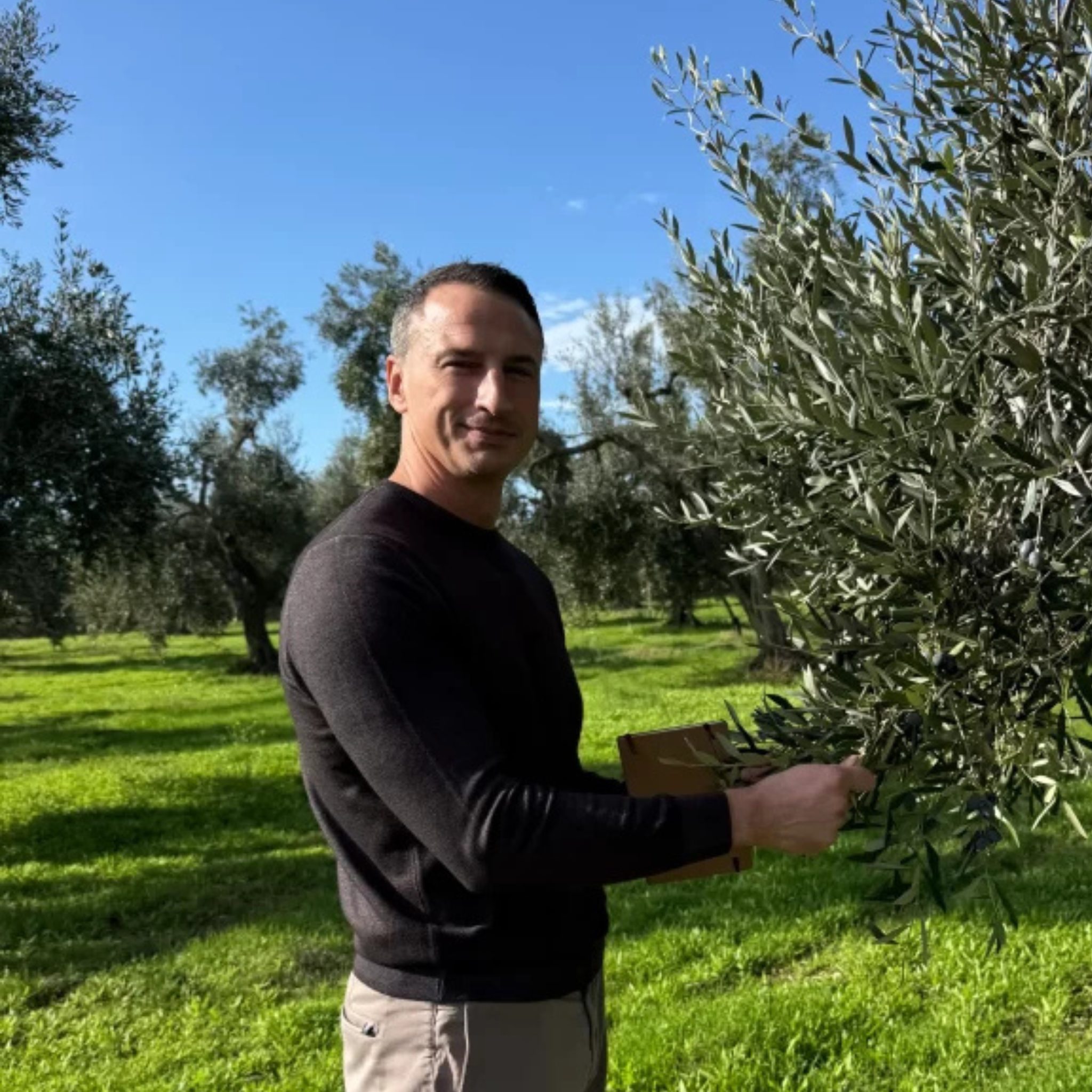
About the authorNick Ednie is the founder and curator of The Olive Library, a personal journey into the world of high-quality extra virgin olive oil. With a deep love of food, Nick travels the Mediterranean to discover and share some of the finest olive oils available. He has also deepened his expertise through study at the prestigious EVOO School. Nick’s mission is to champion heritage, quality and education in every bottle he selects and to bring the stories behind exceptional producers to life. When he’s not tasting and sourcing oils, he writes about flavour, terroir and the art of olive oil appreciation.