



Most people don’t put much thought into how olive oil tastes because most of the time we consume it, it’s been mixed with other ingredients or used for cooking, where its flavours are lost or hidden with other notes. To be honest, until I began this journey, I didn’t give it much thought either. Olive oil was just olive oil. Then I took a tasting course and it completely changed my perception of what olive oil could be and how you can learn to taste it as a skill, much like with wine or high-end coffee varieties.
Why learn this, you may wonder? Well, if you’re starting to pay more attention to the types of olive oils you buy, looking to pair them better with different foods or wanting to benefit from the numerous health benefits that it offers, knowing how to properly taste olive oil is one of the best ways to identify its qualities.
This is a skill I am still developing myself, and people can spend years and years cultivating an expertise in olive oil tasting. But with this article, my aim is to share some of my knowledge and give you the fundamentals to get started.
3 Things To Know About Olive Oil Tasting
There’s a lot to know as you deepen your knowledge of olive oil tasting, but in the beginning let’s stick to the most important facts. These are three key pieces of information to help you get started with olive oil tasting.
1: Freshness Is Vital
Unlike wine, where age is generally seen as being related to taste quality, with olive oil freshness is one of the most important factors impacting taste and health benefits. Over time, the antioxidants and other elements in olive oil start to deteriorate and lose their potency. Before you even consider buying a higher-end olive oil for tasting, make sure its been harvested within the last 12–18 months of purchase. Any older than this and you can expect to see a significant drop in quality.
2: The Three Core Attributes of Flavour
When you’re tasting olive oil, you’re generally assessing three key attributes of its taste:
- Fruitiness
- Bitterness
- Pungency (also called pepperiness)
These are what the International Olive Oil Council (IOC) refers to as “positive attributes” of an olive oil that are directly related to its terroir, harvest time and methodology, varietal and more. I’ll explore these positive attributes a little more later on in the article.
3: Why the Blue Glass?
If you go to a tasting class or watch a professional conducting a tasting, you’ll notice that they tend to use a blue glass. While this is not essential for you to use, what it does is eliminate what we call “colour bias” which is when people incorrectly assume the colour of the olive oil is always directly related to its quality. By tasting from a blue glass, it works similarly to those who use a blindfold when tasting wine, to make sure they’re focusing just on taste and nothing else.
How to Taste Olive Oil: A Step-by-Step Guide
Tasting olive oil the proper way isn’t quite as straight forward as you might think. Especially in the preparation stage, there are a few small things you should do to ensure you get the best possible experience from your tasting.
- Step 1: Pour a small amount into your tasting glass. If you don’t have a professional one, a shot glass or stemless wine glass will do. Then cover the glass with you hand to trap aromas inside.
- Step 2: Warm the oil by gently swirling the glass in your hand for 10–15 seconds. We do a similar step with red wine to help volatilise the compounds in the olive oil that give it its aroma.
- Step 3: Smell your olive oil. This is called “the first judgement”. Inhale deeply and make a note of the kinds of notes you detect. Look for scents like grass, tomato leaf, almond, artichoke, citrus, herbs, green banana, or ripe fruit. Smells like crayons, putty, wax or mustiness indicate that your oil has gone rancid and should not be used.
- Step 4: Take a small sip of your oil and then aerate it in your mouth by slurping or drawing air in with the oil without swallowing. What this does is spread the aroma of the oil across your palate to ensure it reaches the most tastebuds. This is also when you’ll tend to pick up th most bitterness and pungency from the polyphenols.
- Step 5: Swallow your oil and evaluate the aftertaste. Some people will spit their olive oil like with a wine tasting, but I prefer just to enjoy it and not waste anything. In the aftertaste is when you’ll be able to really see how good your olive oil is. If there’s a longer, more complex aftertaste, then the oil tends to be of higher quality.
What Positive Flavour Notes to Look For
Everyone will have a slightly different interpretation of what they think the positive notes in their olive oil smell and taste like. But this is a good overview of some of the types of flavour categories olive oil tasters tend to use and what notes you can look for in each.
Green & fresh notes:
- Grass, green apple, artichoke, tomato leaf, herbs, green almond
- Usually found in early-harvest, high-polyphenol varietals (e.g., Koroneiki, Picual)
Fruity & ripe notes:
- Ripe banana, stone fruits, floral notes
- Often softer varietals (e.g., Arbequina)
Nutty, warm, or rounded notes
- Almonds, soft herbs, butteriness
- Common in later-harvest oils or delicate cultivars
I recommend first seeing if you olive oil bottle offers any tasting notes on the label and see if you can identify them. Then, once you’re more comfortable with the tasting method, try just seeing what you can detect on your own.
COMMON DEFECTS & HOW TO IDENTIFY THEM
Just as important as identifying positive tasting notes are the negative ones, which will alert you to defects in your olive oil. These can arise from oils that are too old, were incorrectly stored or not manufactured correctly. Here are a few of the most common types of defects you might encounter and how to identify them:
- Rancidity: This is caused by oxidation from oil that is too old or poorly stored. Look for the smell of crayons, old nuts, or wax
- Musty / fusty: This is a result of improper manufacturing processes, where the olives have not been stored properly before milling. Look for a damp basement or muddy smell
- Winey / vinegar: This is caused by fermentation in the bottle, which is a result of bacterial contamination. If your oil smells sour, then it has fermented and you shouldn’t use it
- “Metallic,” “muddy sediment,” or “heated” defects: This is again a potential result of production or storage issues and indicates that your oil should not be used
How Varietals Influence Flavour
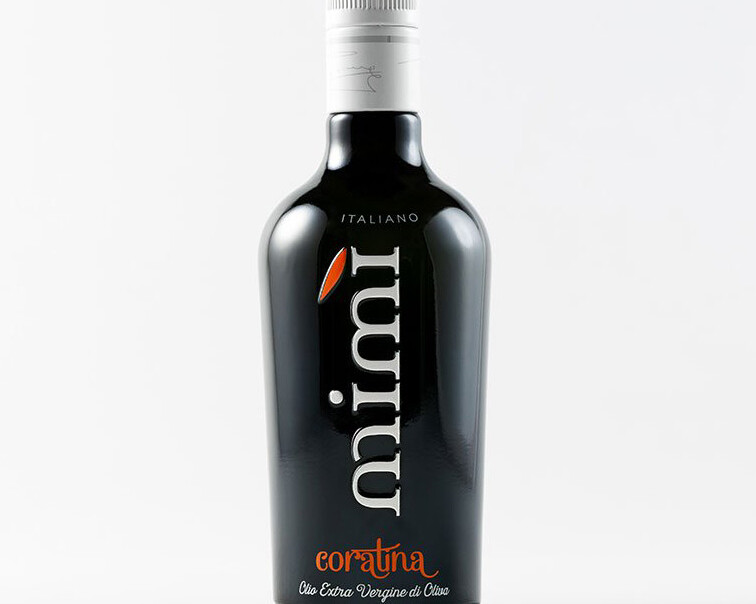
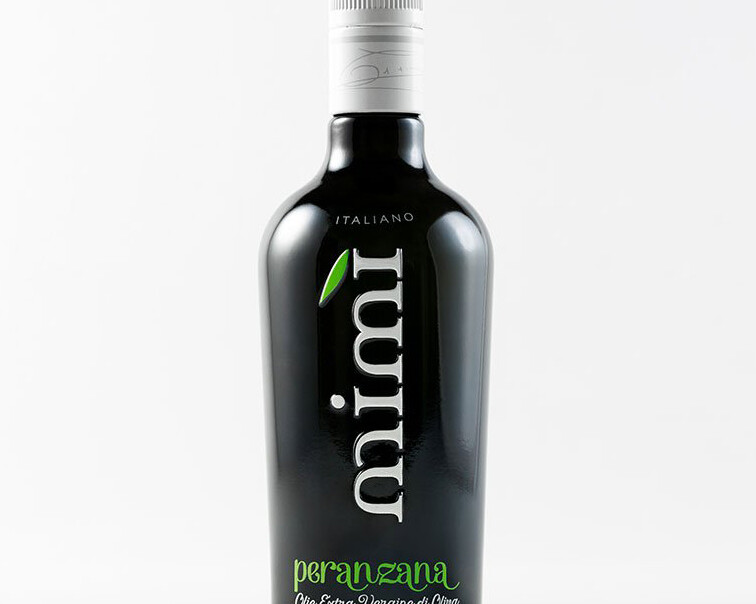
One of the best things about monovarietal olive oils like the one I carry is that they embrace rather than hide the unique characteristics of each varietal and producer. The more attention you pay to things like flavour notes and pairings, the more enjoyable you’ll find it to use monovarietals rather than blends. Here are a few of the ways that different varietals can influence the flavour of your olive oil:
- High-polyphenol varietals: These are one like ****Koroneiki, Picual, Tonda Iblea, which tend to have a peppery, bitter, robust taste
- Medium-intensity varietals: Look for varietals such as Frantoio or Moraiolo, which are more balanced and feature notes of fruitiness and spice
- Delicate varietals: Two popular varietals with a more delicate profile are Arbequina and Taggiasca, which are soft, buttery and have notes of ripe fruit
Terroir influence is also a big factor in how a varietal will taste. These influences include: altitude, soil, climate, irrigation all change flavour — similar to wine.
How to Build Your Olive Oil Tasting Palatte
The best way to build your olive oil tasting palette is time and repetition, but if you need a bit more of a concrete guide on how to build your knowledge and tastes, here are a few steps I recommend following:
- Taste side-by-side: This is the fastest way to learn how to identify distinct differences from one olive oil to another. Try using 2–3 oils at once and following the tasting method from earlier
- Compare intensities: Taste your olive oils with a specific focus on identifying what you think is lighter versus medium and more robust. Try doing it without reading notes from the bottle labels to see what you feel fits into each category
- Keep a tasting journal: For each olive oil you try, try keeping some notes about what you taste, what you’ve paired it with and other details. Whatever comes into your head really! Ultimately, this is about personal preference so being able to remember what you felt about each oil you try is important to make sure you can find the ones you liked again or remember a particularly special pairing you might’ve tried
Conclusion
This is just a starting point on your journey learning how to taste olive oils like a professional. I’ve got a head start on many of you and still I find there’s so much I’m learning all the time about different olive oils and the incredible variety of flavours there are to experience. Like wine tasting, this can easily become a lifetime passion for those who find it interesting.
While I of course all the advice I’ve given here is useful to you, I also recommend trusting your own instincts, tastes and preferences as you explore this incredible world of olive oils. Ultimately, above all things, it should taste good and bring you enjoyment!

About the authorNick Ednie is the founder and curator of The Olive Library, a personal journey into the world of high-quality extra virgin olive oil. With a deep love of food, Nick travels the Mediterranean to discover and share some of the finest olive oils available. He has also deepened his expertise through study at the prestigious EVOO School. Nick’s mission is to champion heritage, quality and education in every bottle he selects and to bring the stories behind exceptional producers to life. When he’s not tasting and sourcing oils, he writes about flavour, terroir and the art of olive oil appreciation.