

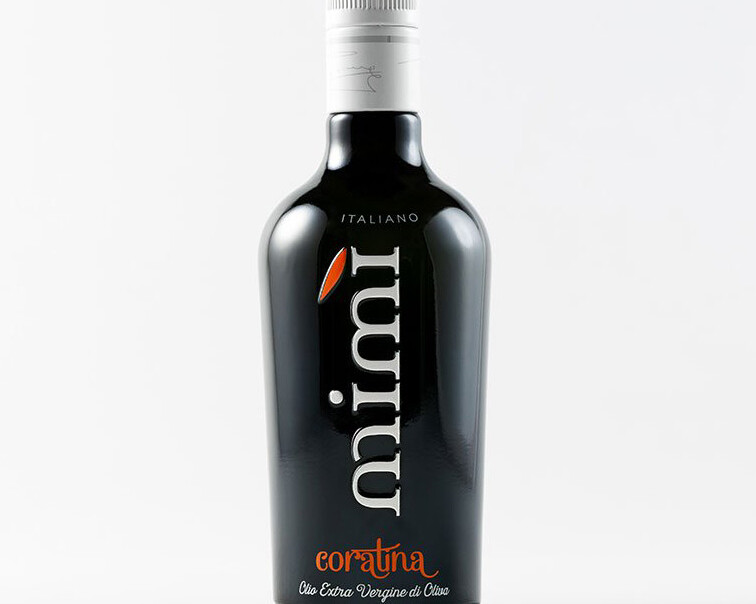
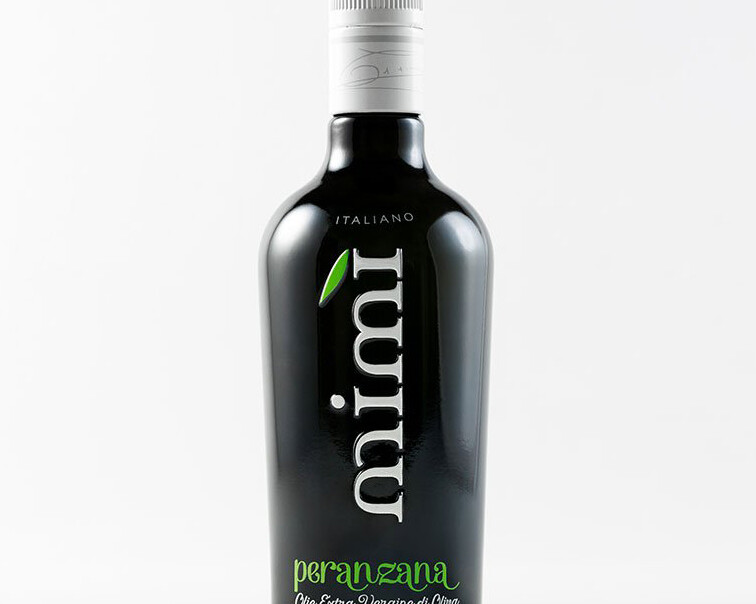
I was excited to make my way to the Alto Garda Trentino to visit one of the unique growing methods that Frantoio Di Riva who are part of the Brave Millers Group. They expertly manage the unique Olive Oil orchard that is situated on the hillside of Lake Garda.
The day started with me arriving at the Cantina Frantoio which is located in front of the headquarters of the Frantoio Di Riva olive and wine producing facility.
I was greeted by Leonardo Munzlinger head of marketing and his colleague Mauro Nisa who is one of the technical experts at the Olive Oil plant.
We set off to the hill side of Mount Brione where 200 hectares of a variety of Olive trees and grown from Casliva to Frantoio olives are grown and are typical from this region.
We talked about how the benefits of growing the trees from the lime stones hills has its advantages such as the warmer temperature due to the higher level to protect from the frost in the winter from the lower freezing waters that run down from the glazier valleys and also the wind protection from the hill face.
Also, the soil depth being shallow which allows the olive trees to grow however other plantations are unable to surround the trees.
Of course, there is the challenges met by growing trees on a slope such as harvest picking and pruning and general maintenance to the trees.
I witnessed the investment on pipe work which pumps water back up the hill top to maintain a regular hydration to the plants.
One of my admiring techniques the farmers use to control the pesticide was the eco biological traps that appear very affective and avoid any contamination to the trees and the water supply that travels down to the valley and into the Lake.
The traps hung from the trees are designed to capture the male and female fruit flies that embed their eggs into the olives.
They also used a water based rock dust to spray onto the leaves which is easy washable but the has to be reapplied after a rainy period.
The area is divided up into multiple farmers growing in the region and of the 200 hectors Frantoio Di Riva have 70 hectors in this specific region.
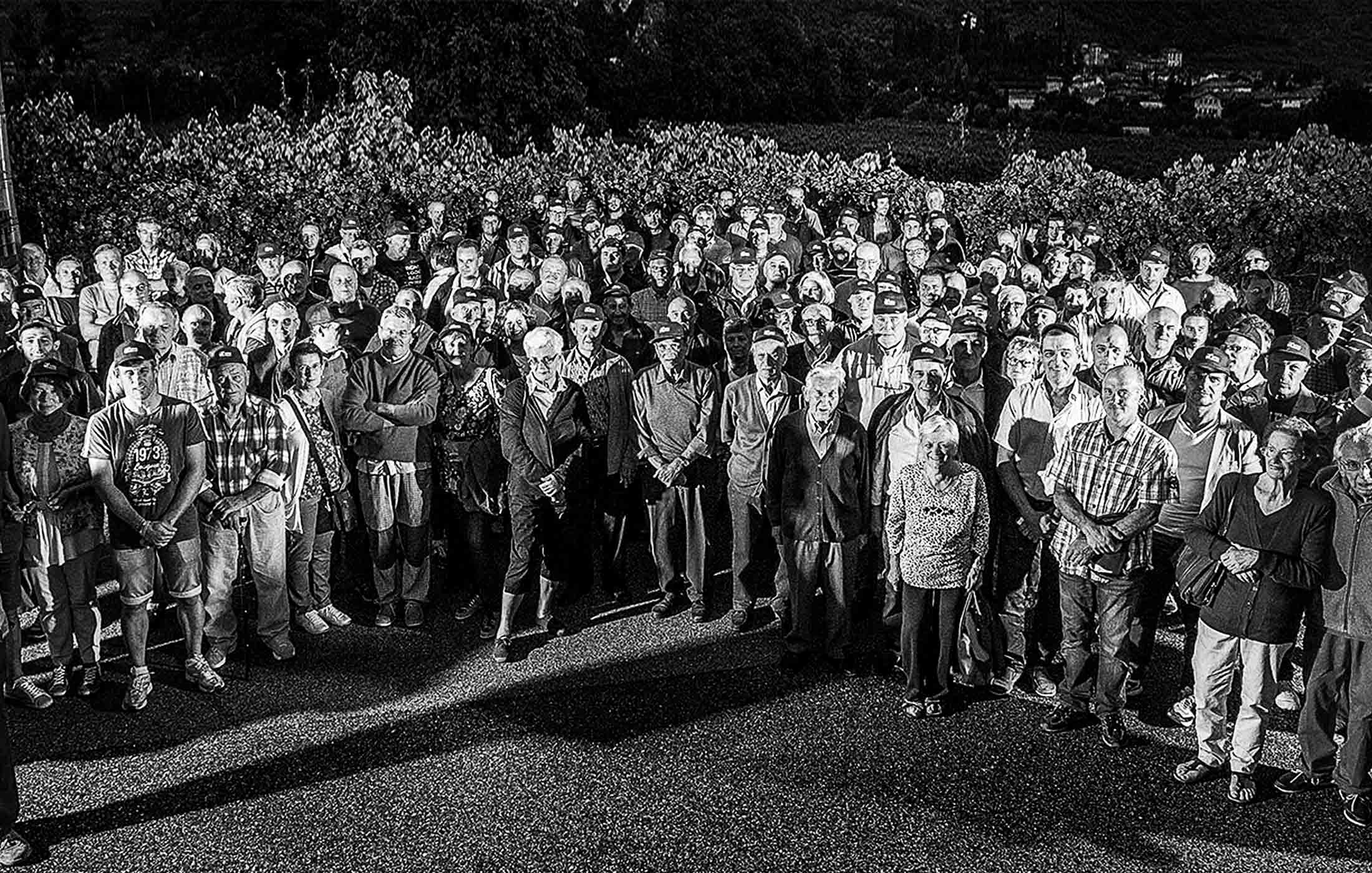
With there being a range of growers the quality control team chose to manage by zoning areas specific to the grower and batch code every division and analise the olives with chemical and organoleptic methods. This analysis report allows each farmer to improve the quality the growing methods and to allow Frantoio to have a much higher quality Olive Oil to make available to the consumers.
I was told the unique conditions of the landscape and the climate for the region olive oil produced here has very high monounsaturated fats and high polyphenols. Other benefits include low acidity and exceptional stability which are all required to produce a premium olive oil.
Mauro also talked about the harvesting period which was soon approaching starting in mid October. He was expecting a lower yield this year compared to the previous year due to climate conditions but foresees the following year to be back on track. This is how it usually goes Mauro explains.
After our travels around the olive grove we headed back to the Cantina Frantoio where Leonardo explained how the plant was undergoing a relocation to create a larger facility to mill the olives and wine.
The new investment will have state of the art machinery to maintain quality and produce more olive oil as the demand grows.
I was then taken on a tour around the cantina which had all kinds of fresh produce from local farmers and growers in the region. I witnessed the popularity of tourist as well as locals wanting to buy fresh organic foods and condiments.
We then entered the restaurant private area where we were greated by Furio Battelini who is the technical director to discuss a selection of Olive Oils and wines that were laid out for myself and Leonardo. We thoroughly talked about how the taste of olive oils varied and the strength on pungent and peppery accents the oils have based on the times the olives were picked and the methods the olives were processed through the filtration machines. Adjusting timings and temperatures all play a part in the finished product. We discussed foods they could be best pared with. As I have learnt the later the harvest the less pungent, peppery flavours as the olive had absorbed additional water the longer it was growing on the trees.
If the filtration machines ran at slower speeds and lower temperature this can also increase the polyphenols higher monounsaturated fats.
This is why we see a variation in prices based on the labour-intensive procedures to get a higher quality olive oil.
I was fortunate to have a wine tasting experience and also local food selections laid out for me to pair the olive oils with.
This was a fascinating trip and one I would like to be able to bring home the premium olive oil home for my consumers to experience.
About the author
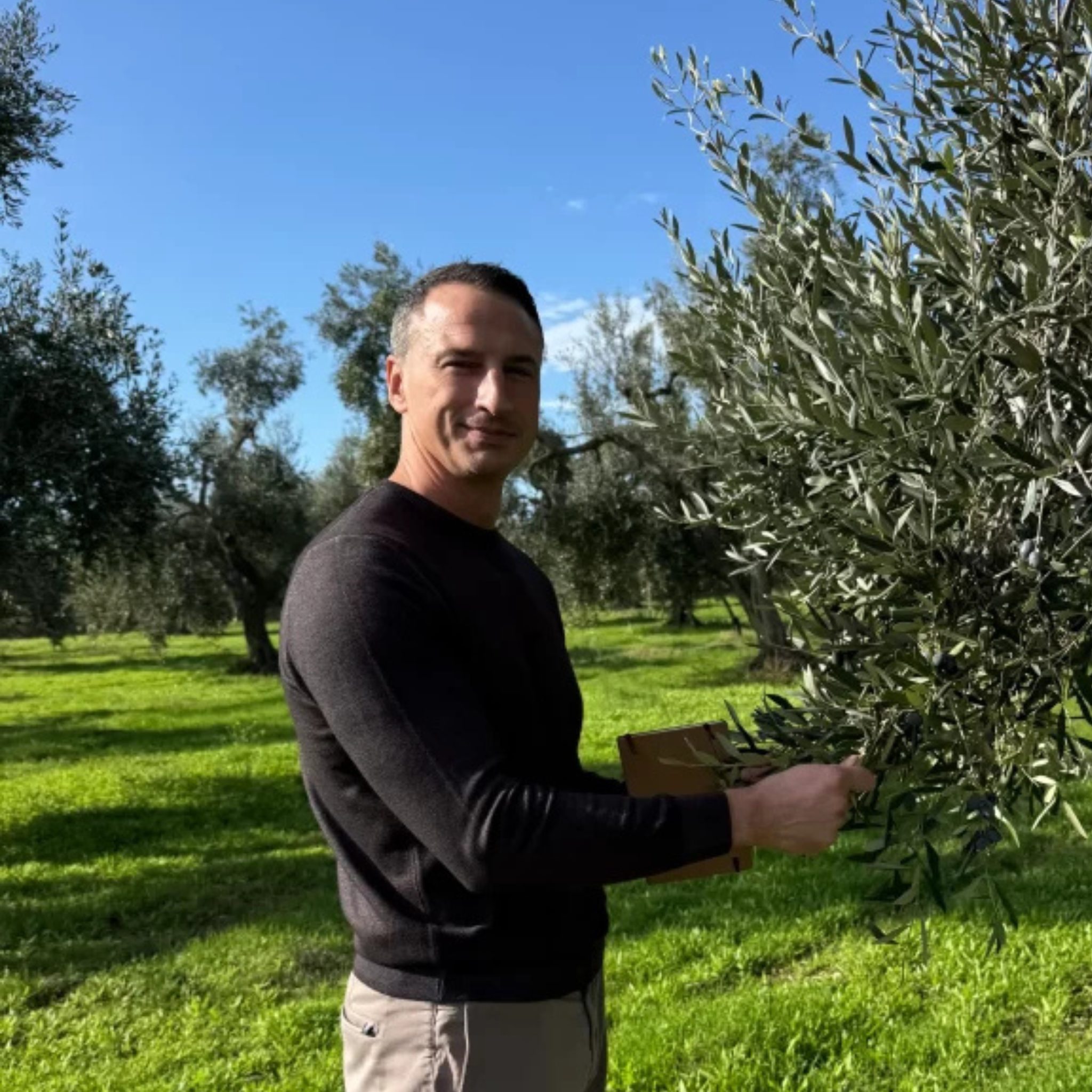
Nick Ednie is the founder and curator of The Olive Library, a personal journey into the world of high-quality extra virgin olive oil. With a deep love of food, Nick travels the Mediterranean to discover and share some of the finest olive oils available. He has also deepened his expertise through study at the prestigious EVOO School. Nick’s mission is to champion heritage, quality and education in every bottle he selects and to bring the stories behind exceptional producers to life. When he’s not tasting and sourcing oils, he writes about flavour, terroir and the art of olive oil appreciation.