


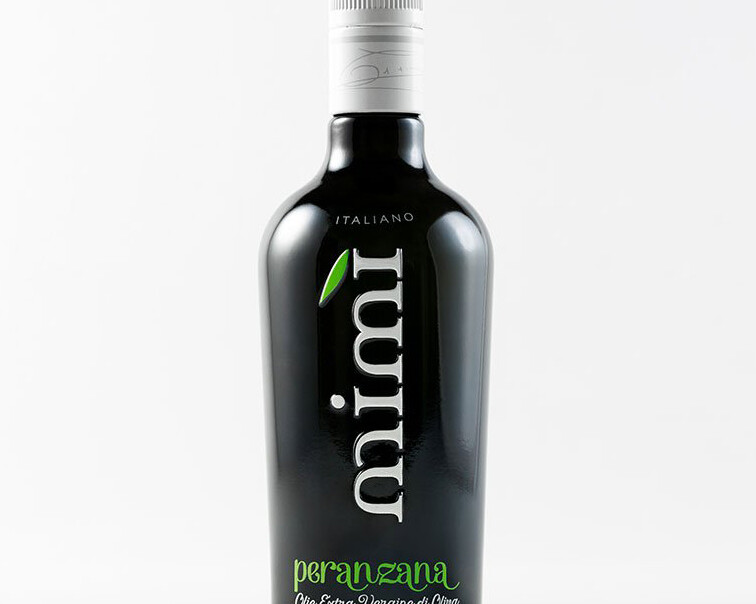
Nick’s journeys across four regions, their terroirs, and the cultivars that define them
One of the privileges of curating olive oil is that it forces you to slow down and go to the source. You can’t truly understand an oil from a catalogue or a tasting note alone. You have to walk the groves, feel the climate, and talk to the people who make decisions tree by tree, harvest by harvest.
Over the years, my travels through Italy have taken me to four very different olive-growing regions: Tuscany, the Lake Garda area, Campania, and Puglia. Each represents a distinct olive oil identity shaped by climate, landscape, cultivars, and centuries of local practice.
What follows isn’t a technical atlas, but a travel diary of flavours: how these territories express themselves in oil, and why they matter.
Tuscany
Structure, elegance, and the language of bitterness
Travelling through Tuscany, you quickly understand why its olive oils are so recognisable. The landscape is dominated by rolling hills, inland valleys, and groves that sit at moderate altitude, often exposed to strong seasonal temperature shifts. Winters can be cold, summers dry, and rainfall irregular—conditions that naturally favour oils with structure and grip.
The backbone of Tuscan olive oil is formed by cultivars such as Frantoio, Moraiolo, and Leccino. Moraiolo thrives under stress and often produces oils with pronounced bitterness and pungency. Frantoio contributes aromatic complexity and green herbal notes, while Leccino can soften a profile with rounder fruit.
In Tuscan oils, bitterness and pepperiness are not smoothed away but embraced. Aromas often recall artichoke, wild herbs, green almond, and fresh-cut grass. These are oils that demand food and shine with legumes, grilled vegetables, and meat-based dishes.
Many Tuscan producers harvest relatively early, prioritising freshness and phenolic structure over yield. The result is an olive oil style that feels architectural: balance achieved through contrast rather than softness.
Lake Garda Area
Delicacy at the edge of possibility
The Lake Garda region is one of the most surprising olive oil territories in Italy. It sits at the very northern limit of viable olive cultivation, where latitude alone would suggest olives shouldn’t exist at all. And yet, thanks to the moderating effect of the lake, a unique microclimate emerges.
Cold alpine air is softened by the water, creating mild winters and steady breezes that protect the trees. The growing season is long and gentle, and olives ripen slowly—conditions that can produce oils with extraordinary finesse.
The dominant cultivar here is Casaliva, closely related to the broader Frantoio family but uniquely expressive in this context. Garda oils are typically delicate: low bitterness, minimal pungency, and a smooth, almost creamy mouthfeel. Aromas lean toward sweet almond, apple, soft herbs, and occasionally floral notes.
These are oils of restraint. They are not designed to dominate a dish but to support it. Raw vegetables, light cheeses, and simple preparations allow Garda oils to show their quiet precision.
Campania
Volcanic energy and aromatic complexity
Campania is one of Italy’s most complex olive oil regions, both geographically and sensorially. Volcanic soils, coastal plains, inland hills, and mountainous areas coexist within a relatively compact territory. The presence of Mount Vesuvius and other volcanic systems gives rise to mineral-rich soils that can shape distinctive aromatic profiles.
Among the standout cultivars here are Ravece, Ortice, and Ogliarola Campana. Ravece, in particular, can produce oils with remarkable aromatic intensity—often marked by tomato leaf, green apple, herbs, and citrus lift—supported by firm bitterness and clean pungency.
Campanian oils often feel energetic rather than aggressive. There’s a brightness and clarity to the aromatics that sets them apart, especially in oils produced at altitude. Many producers balance early harvesting with a desire to preserve fragrance, resulting in oils that are expressive without being overpowering.
At the table, these oils are versatile and pair beautifully with vegetables, seafood, and the region’s famously vibrant cuisine.
Puglia
Power, longevity, and ancient groves
Puglia is impossible to ignore. Vast plains of ancient olive trees stretch as far as the eye can see, some centuries old, their twisted trunks bearing witness to long-standing traditions of cultivation. This is Italy’s largest olive oil–producing region and one of the Mediterranean’s most significant olive landscapes.
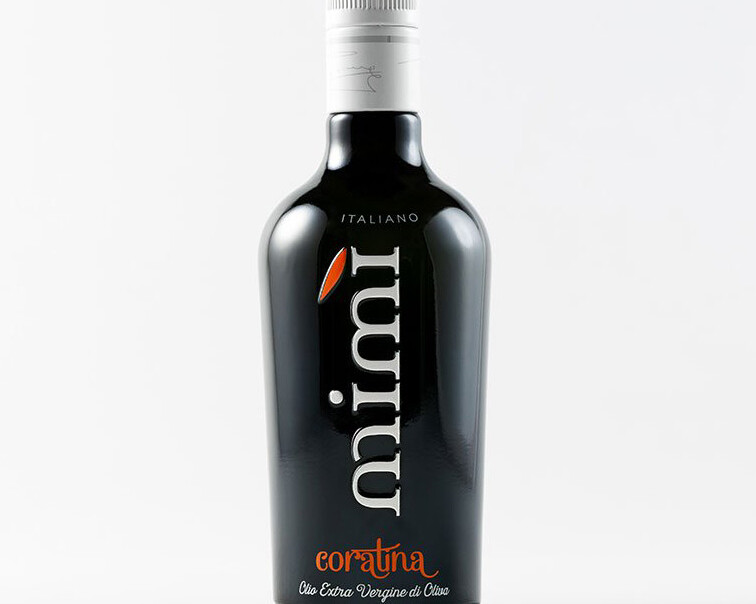
The defining cultivar here is Coratina, a variety capable of producing oils of extraordinary intensity. Coratina oils are often high in polyphenols, with pronounced bitterness and pungency, and notes that can include chicory, green olive, artichoke, and wild greens. These are oils with serious structure and impressive oxidative stability.
The climate in Puglia is hot and dry, which encourages producers to harvest early if they want freshness and balance. When handled carefully, the result is a powerful but controlled oil, capable of standing up to rich dishes and robust flavours.
Puglia taught me that boldness, when intentional, is not a flaw. These oils are not designed to please everyone immediately—they’re designed to endure, both chemically and gastronomically.
Four Regions, One Philosophy
Travelling through these four territories reinforced a simple truth: there is no single model for great olive oil. Quality emerges when terroir, cultivar, and human decision-making align.
- Tuscany shows how bitterness and structure can be elegant
- Lake Garda proves delicacy can be profound
- Campania demonstrates how complexity grows from diversity
- Puglia embodies power rooted in tradition and resilience
The role of The Olive Library is not to rank these regions, but to present them honestly as distinct voices in a broader conversation about olive oil.
Taste them side by side, and Italy reveals itself not as one olive oil country, but as many.
About the author
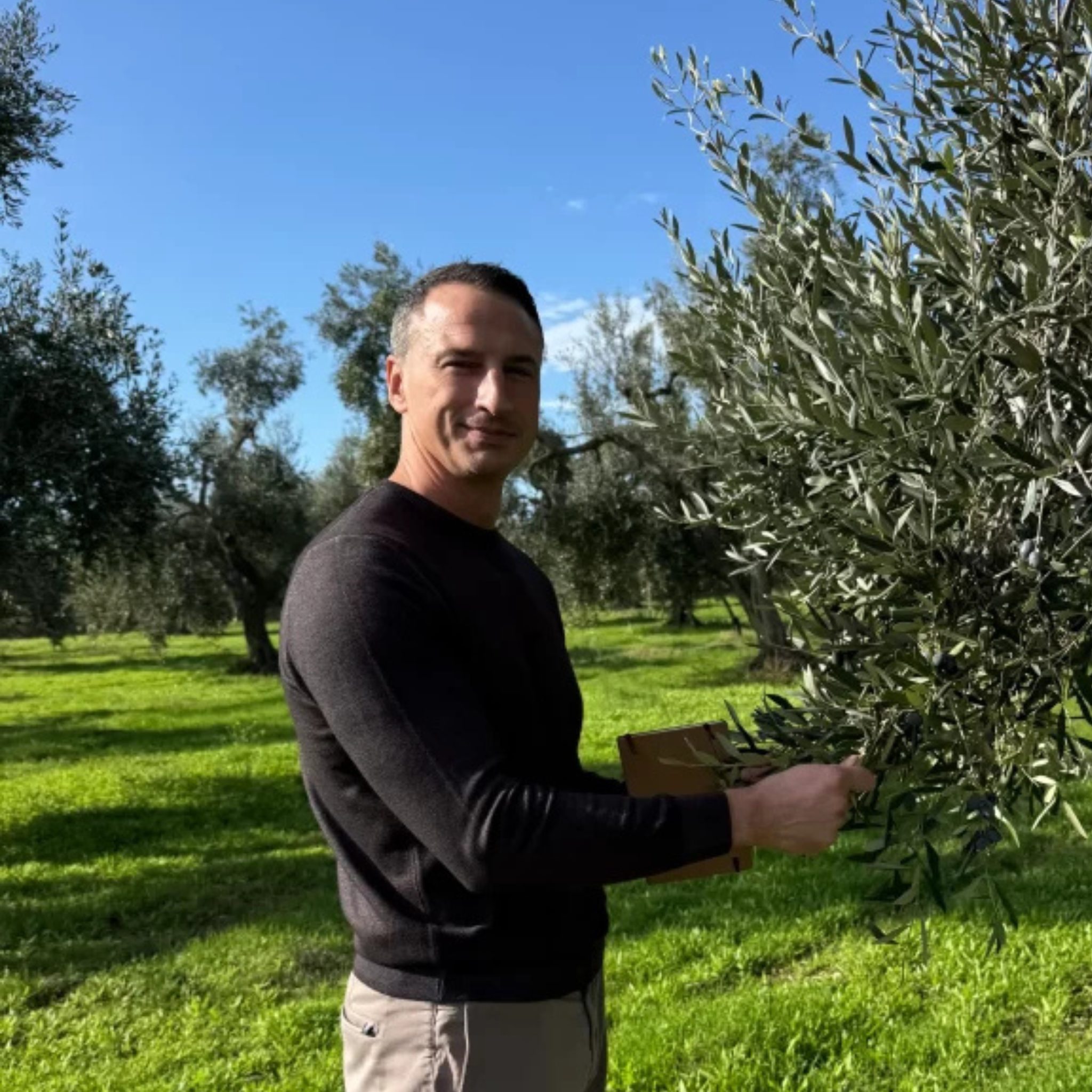
Nick Ednie is the founder and curator of The Olive Library, a personal journey into the world of high-quality extra virgin olive oil. With a deep love of food, Nick travels the Mediterranean to discover and share some of the finest olive oils available. He has also deepened his expertise through study at the prestigious EVOO School. Nick’s mission is to champion heritage, quality and education in every bottle he selects and to bring the stories behind exceptional producers to life. When he’s not tasting and sourcing oils, he writes about flavour, terroir and the art of olive oil appreciation.