

A travel story through four Italian territories, the people who mill the olives, and the cultivars that define each place
Italy’s olive oil culture isn’t a single story. It’s a collection of regional dialects—different climates, different landscapes, different cultivars, and different ways of thinking about harvest and milling. For me, building The Olive Library has always meant going beyond labels and tasting notes and meeting the people behind the oils: the growers, the millers, and the crushers who turn fruit into something expressive and alive.
On the road, you learn quickly that you can’t understand an oil from a spreadsheet. You need to walk the groves, see the terrain, taste oils where they’re made, and ask the unglamorous questions: how fast do the olives reach the crusher? how is oxygen managed? how clean is the process during the chaos of harvest? That is where quality is protected—or lost.
This is the journey behind the crushers you see on The Olive Library: Ambrosio, Ciccolella, De Carlo, Fonte di Foiano, Frantoio di Riva, Mimì, and Sabino. Each represents a specific territory and a particular olive oil philosophy—shaped by terroir, cultivars, and the decisions that happen between tree and crusher.
Tuscany
Fonte di Foiano: structured oils from coastal-hill Tuscany
Tuscany is one of the most recognisable olive oil territories in Italy, and yet it still has enormous internal diversity. The hills, the inland valleys, and the coastal influences create a style that often leans toward clarity, structure, and herbal definition. Rainfall can be irregular, summers are dry, and temperature swings can be significant—conditions that naturally favour oils with grip and aromatic lift.
At Fonte di Foiano, the Tuscan identity comes through in oils built around classic regional cultivars such as Frantoio, Moraiolo, and Leccino. Moraiolo frequently provides bitterness and pungency, Frantoio adds aromatic complexity and green herbal notes, and Leccino can soften the profile with rounder fruit and balance.
What I love about strong Tuscan oils is that they feel intentional. Bitterness and pepperiness aren’t treated as flaws; they’re treated as structure. In the glass, you often find notes like artichoke, wild herbs, green almond, and fresh-cut grass—an oil that doesn’t hide, and doesn’t need to.
These are oils that pair best when food gives them something to push against: legumes, grilled vegetables, roasted meats, and dishes where bitterness can counterbalance richness.
Lake Garda Area
Frantoio di Riva: delicacy at the northern edge of olive growing
The Lake Garda area remains one of the most surprising places to taste olive oil. It sits at the northern frontier of olive cultivation, where latitude alone would suggest olives shouldn’t thrive. But the lake creates a unique microclimate: cold alpine air is moderated by the water, winters are less severe than expected, and steady breezes protect the groves.
Frantoio di Riva represents this territory beautifully. Oils from the Garda area are typically elegant, aromatic, and restrained—defined less by brute intensity and more by precision. The local cultivar Casaliva is central here, often supported by varieties such as Frantoio and Leccino, producing oils that can feel smooth, clean, and quietly complex.
In these oils, you often find sweet almond, soft herbs, and a delicate fruit character that works exceptionally well with subtle dishes—fresh cheeses, light vegetables, fish, and any plate where you want the oil to lift rather than dominate.
Lake Garda taught me something important: intensity is not the same as quality. Restraint can be profound when the oil is fresh, clean, and milled with discipline.
Campania
Ambrosio: aromatic energy shaped by southern landscapes
Campania is a region of contrasts. Coastal influences, inland hills, and varied soils create a wide spectrum of olive oil styles, often characterised by brightness and aromatic clarity. In this part of Italy, harvest decisions matter enormously: warm conditions can accelerate ripening, and careful timing is essential to preserve fragrance and balance.
Ambrosio is the kind of crusher that reminds you how much identity can live in aroma. Campania is known for cultivars that can deliver expressive, herb-forward profiles—often with lifted green notes, clean bitterness, and a peppery finish that feels energetic rather than aggressive.
These oils tend to be versatile at the table. They can handle vegetables and legumes with ease, and they work beautifully with seafood and the bold, vibrant flavours that southern Italian cooking is famous for.
In Campania, I’m always looking for an oil that feels bright rather than heavy: an oil that carries freshness through the palate, not just power.
Puglia
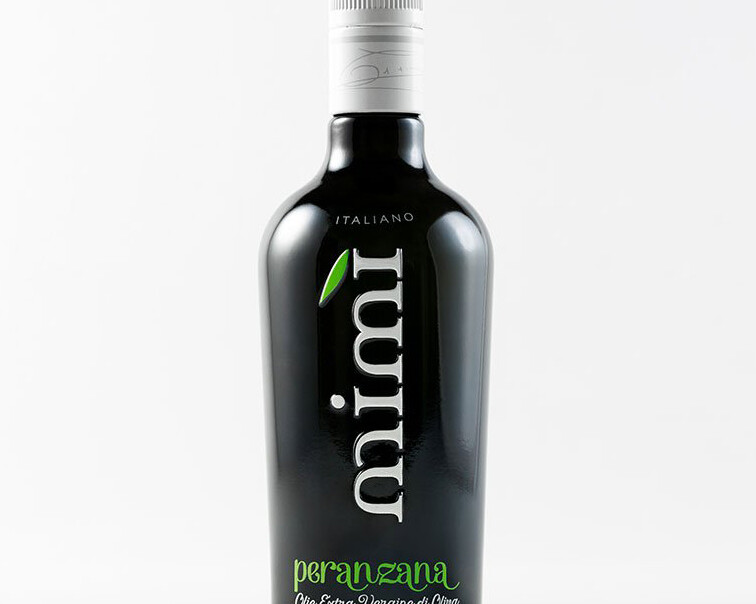
De Carlo, Mimì, Sabino, and Ciccolella: structure, longevity, and the confidence of the south
Puglia is impossible to ignore. It is one of the great olive landscapes of the Mediterranean, with vast plains of groves and ancient trees that anchor the region’s identity. Heat, sunlight, and long seasons create conditions for olives with concentration and phenolic potential—but also create risk if fruit handling and milling discipline are not meticulous.
This is where the role of the crusher becomes central. In Puglia, great oils depend on early harvesting, careful selection, fast delivery to the crusher, and clean, oxygen-aware processing that preserves freshness and protects polyphenols.
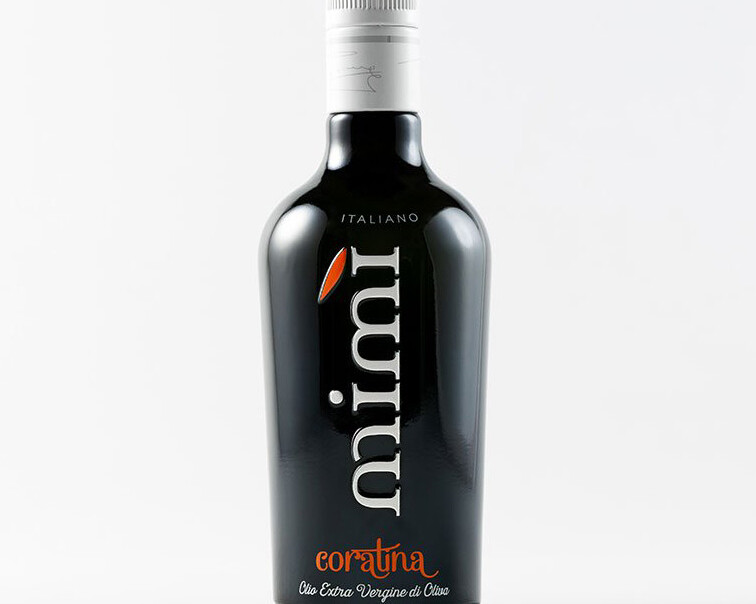
De Carlo, Mimì, Sabino, and Ciccolella sit firmly within this Puglian identity. The region’s defining cultivar is Coratina, which often produces oils with pronounced bitterness and pungency, high phenolic structure, and flavours that can recall chicory, green olive, wild herbs, and artichoke. Other local varieties may appear in blends, but Coratina is the engine of the region’s most powerful expressions.
When made with precision, these oils combine power with clarity. They are built for food: rich tomato dishes, grilled vegetables, legumes, and any plate where an oil’s structure can cut through fat and add dimension. They also tend to age more gracefully, retaining character longer thanks to phenolic stability.
Puglia taught me that boldness is not a defect when it is intentional. The best Puglian oils don’t shout for attention—they bring structure, longevity, and confidence to the table.
What These Crushers Have in Common
Across all four territories, the best crushers share the same priorities, even if their styles differ.
- Freshness as a baseline: harvest timing and recent vintage matter
- Speed from tree to crusher: fruit quality is time-sensitive
- Clean, disciplined processing: hygiene, temperature, and oxygen management
- Transparency: clear information about origin, cultivars, and harvest
- Intentional style: oils that feel resolved, not accidental
Terroir sets the stage, but it is the crusher who protects the story of the fruit and carries it into the bottle. The oils on The Olive Library aren’t chosen because they fit one “ideal” profile—they’re chosen because they are honest expressions of place, made by people who care deeply about doing things properly.
Conclusion
This is what travelling for olive oil has taught me: Italy is not one olive oil country. It is many, and each territory speaks through its cultivars and its crushers. Tuscany offers herbal structure and elegance. Lake Garda offers delicacy and precision. Campania brings aromatic brightness and energy. Puglia delivers power, longevity, and a bold identity rooted in ancient groves.
The role of The Olive Library is not to rank these places, but to share them honestly—so you can taste the differences for yourself, and start choosing oils with the same intention you give to any other ingredient that matters.
If you’d like to go deeper into the people behind the oils—the growers, millers, and crushers who work through harvest pressure, climate uncertainty, and long hours to protect quality—many of these producers are also part of the wider community of frantoiani coraggiosi. Their stories, philosophies, and challenges are explored in greater detail at frantoianicoraggiosi.it/en/, a project dedicated to documenting the human side of olive oil production and the courage it takes to do things properly.
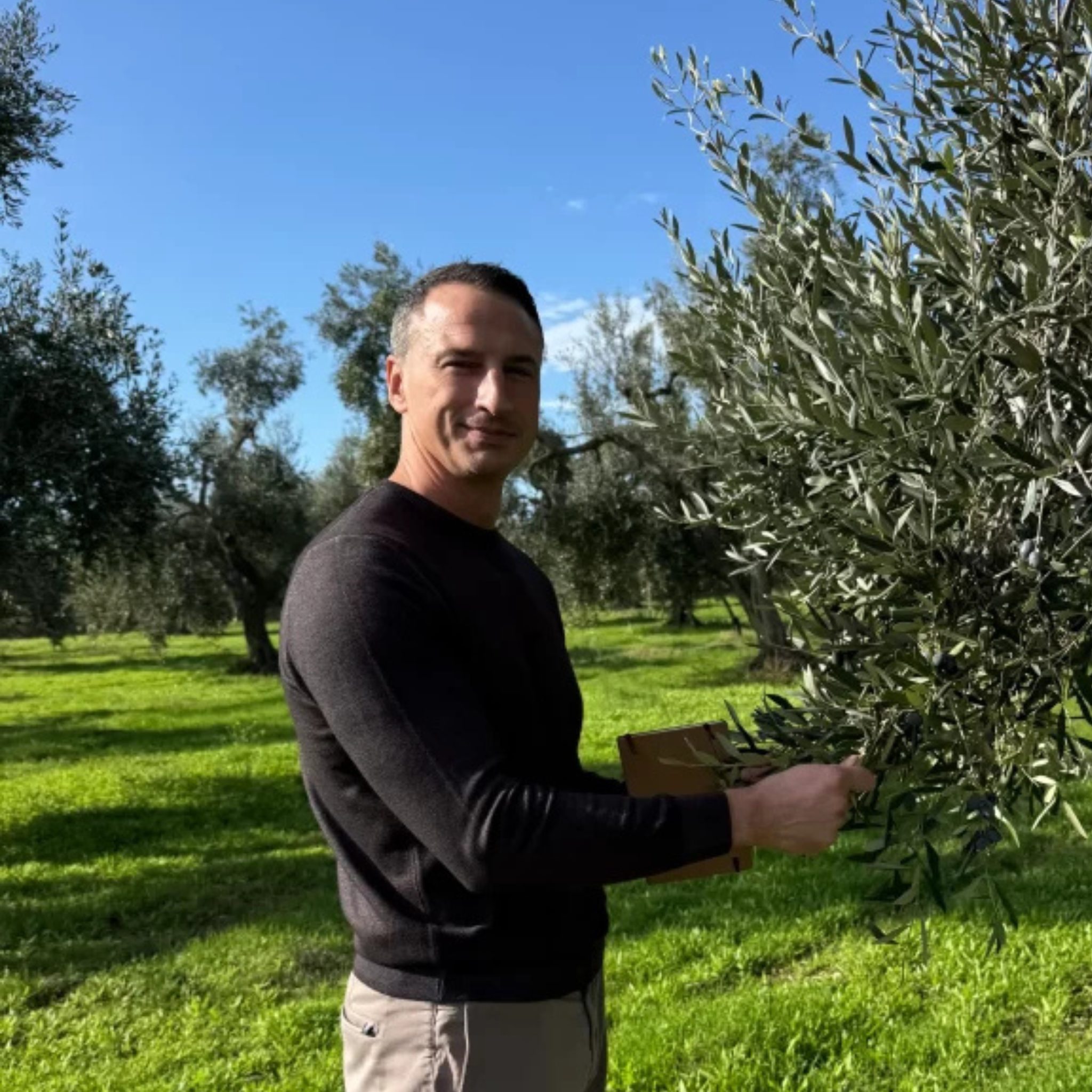
About the authorNick Ednie is the founder and curator of The Olive Library, a personal journey into the world of high-quality extra virgin olive oil. With a deep love of food, Nick travels the Mediterranean to discover and share some of the finest olive oils available. He has also deepened his expertise through study at the prestigious EVOO School. Nick’s mission is to champion heritage, quality and education in every bottle he selects and to bring the stories behind exceptional producers to life. When he’s not tasting and sourcing oils, he writes about flavour, terroir and the art of olive oil appreciation.